While mining can bring economic opportunities and development to local communities, it also raises concerns about its environmental and social impacts. From deforestation and water pollution to displacement and violations of human rights, the impact of mining on African communities and the environment is an urgent matter that requires attention.

Historically, mining operations in Africa have been linked to environmental degradation. Due to the need for land to extract minerals, deforestation poses a significant hazard to biodiversity. Numerous distinctive plant and animal species inhabit forest ecosystems, which are cleared to make way for mining sites. This habitat loss disrupts delicate ecosystems and has lasting effects on the region’s biodiversity. In addition, the extraction procedure itself may involve the use of hazardous chemicals, resulting in land and water pollution and thereby aggravating the environmental impact.
The social repercussions of mining on local communities are a further significant concern. In many instances, mining activities displace indigenous communities and farmers from their ancestral territories, resulting in the loss of their means of subsistence and cultural heritage. Oftentimes, forcible evictions occur without adequate compensation or consultation, leading to resentment and social unrest. In addition, the influx of migrant labourers can strain local infrastructure, resulting in increased demand for scarce resources such as water, sanitation, and healthcare services.
In addition, mining can have a negative effect on the health and wellbeing of those who reside in mining areas. Dust and air pollution caused by mining can contribute to respiratory problems and other health problems in nearby communities. In addition, the disposal of mine residue and tailings can contaminate water sources, posing a serious risk to human and animal health. Lack of access to pure water and increased competition for resources exacerbate the vulnerability of local communities, especially women and children.
The adverse effects of mining on African communities and the environment are inextricably linked. However, these effects can be mitigated by adopting sustainable mining practices. Governments must enforce strict environmental regulations and provide adequate supervision of mining operations. The implementation of responsible mining practices, such as waste management and reclamation strategies, can significantly reduce environmental degradation. In addition, businesses should be held accountable for their social responsibilities, such as equitable compensation, community involvement, and respect for human rights.
Involvement of the community is a crucial component of sustainable mining. Respecting the rights of local communities and consulting with them ensures that their voices are heard and their concerns are addressed. Through capacity-building programs and the provision of economic opportunities outside of mining, it is possible to diversify local economies and reduce their reliance on the industry. Collaboration with non-governmental organizations and civil society can also result in the formation of partnerships that promote sustainable mining methods.

Education is another important factor in mitigating the adverse effects of mining. Raising local populations’ awareness of their rights, environmental issues, and sustainable practices can empower communities to safeguard their interests and the environment. It may also encourage mining companies to operate responsibly and ethically by fostering a sense of accountability among them.
Mining in Africa has the potential to promote economic development and expansion. Nevertheless, without appropriate oversight and sustainable practices, the industry can have a devastating impact on local communities and the environment. By adopting responsible mining practices, enforcing regulations, and engaging with local communities, the negative impacts of mining activities can be minimized while their potential benefits are maximized. Governments, businesses, and stakeholders must collaborate toward a future in which mining is conducted in an environmentally and socially responsible manner, assuring the well-being of people and the planet.
Unveiling the Environmental Impacts of Mining in Africa
Mining has long been an essential economic activity in Africa, generating prosperity and fostering growth. However, mining’s environmental effects have also been a source of concern. From deforestation and water pollution to soil degradation and biodiversity loss, the environmental toll is considerable. This article illuminates the environmental impacts of mining in Africa and emphasizes the imperative need for sustainable practices to preserve the continent’s natural resources for future generations.
Deforestation is one of the most significant environmental effects of mining in Africa. For the extraction of valuable minerals, vast swaths of forest are removed, resulting in the destruction of valuable ecosystems and habitats. Forests are not only home to a wide variety of plant and animal species, but also play an important role in carbon sequestration, climate regulation, and soil conservation. The devastation of forests for mining purposes disrupts these delicate ecosystems, which may result in irreversible harm and the extinction of species.
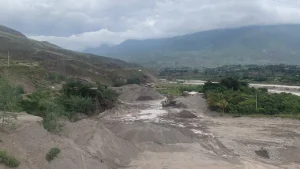
In addition, mining activities frequently cause water degradation, which poses a serious threat to both aquatic life and human communities. The extraction method necessitates the use of cyanide and mercury, which can contaminate adjacent water sources. When mine waste and tailings are improperly disposed of in rivers or lakes, they can discharge harmful toxins, heavy metals, and acid mine drainage. This pollution not only effects the aquatic ecosystem but can also have devastating consequences for communities that rely on these water sources for drinking, agriculture, and livelihoods.
Degradation of the soil is another negative effect of mining in Africa. Large-scale open-pit mining practices frequently leave behind desolate, eroded land. Without effective reclamation and rehabilitation, these degraded lands can contribute to soil erosion, fertility loss, and decreased agricultural output. The long-term effects of soil degradation can affect adjacent communities and ecosystems that rely on healthy soil for sustenance and economic activities.
You might be interested in
- Empowering Women in the African Mining Industry: Unlocking the Potential for Inclusive Growth
- Aterian Positions Itself for Global Growth with Rwanda as a Trade Hub
- Removing Fuel Subsidies: Unleashing Potential and Overcoming Challenges in African Countries
- Botswana Seals Improved Agreement with De Beers, Bolstering Diamond Production Share
- Africa’s Mining Sector: Unleashing the Untapped Potential
In addition, mining activities can result in the loss of biodiversity, which is crucial for the health and resilience of ecosystems as a whole. Plant and animal species are displaced or threatened with extinction when mining operations invade natural habitats. Africa’s endemic species are particularly vulnerable. Loss of biodiversity disrupts complex ecological relationships and can have ripple effects throughout the food web. It also poses challenges to the conservation and long-term sustainability of Africa’s natural heritage.
To mitigate these environmental impacts, sustainable mining practices are urgently required. Governments and regulatory organizations play a crucial role in enforcing stringent environmental regulations and ensuring that mining companies adhere to responsible practices. This includes the proper administration and disposal of mine waste, the implementation of reclamation plans, and the implementation of cleaner technologies and processes to reduce pollution.
It is the responsibility of mining enterprises to prioritize environmental protection. By investing in research and development, they can create innovative solutions to reduce the environmental impact of mining operations. This includes investigating alternative mining methods, enhancing waste management techniques, and implementing comprehensive plans for biodiversity conservation. Collaboration with local communities and environmental groups can result in the formation of partnerships that align mining practices with conservation objectives.
Education and awareness are essential components of sustainable mining. Knowledge of their rights, environmental impacts, and sustainable practices empowers local communities to actively participate in decision-making processes. Civil society and non-governmental organizations can exert pressure for change and hold mining companies accountable for their actions by educating the public about the significance of environmental preservation and advocating for responsible mining.
The environmental impacts of mining in Africa are substantial and require immediate attention. Destruction of forests, water contamination, soil deterioration, and biodiversity loss pose a threat to the continent’s natural resources and local communities’ welfare. It is possible to mitigate these effects and ensure the preservation of Africa’s unique ecosystems for future generations by adopting sustainable mining practices, enforcing regulations, and fostering environmental stewardship. For a prosperous and resilient future, economic development and ecological sustainability must work in tandem.