As the global transition to renewable energy accelerates, the demand for critical metals like copper, nickel, and rare earth elements is skyrocketing. These materials power wind turbines, solar panels, and electric vehicles—technologies vital to decarbonizing the economy. Yet, much of the world’s supply chain for these metals relies on China, which refines about 60% of rare earth elements. This dependency has raised alarms in Washington, with the Biden administration labeling it a threat to both economic and national security.

Now, one Massachusetts-based startup is challenging this status quo. Phoenix Tailings, founded by MIT alumni, has developed an innovative mining waste recycling method to extract critical metals from mining waste, promising a domestic, sustainable alternative to foreign imports.
Related News
- Biden Administration Grants Permit for Perpetua Resources Stibnite Project in Idaho
- Biden Offshore Drilling Ban: A Last-Ditch Effort to Cement U.S. Coastal Protections
- Mining Industry Faces Crucial Crossroads Amid Decarbonization and Demand for Critical Minerals
- Saudi Mining Innovation Program: Transforming Saudi Arabia’s Industrial Future
Reclaiming Value from Mining Waste Recycling
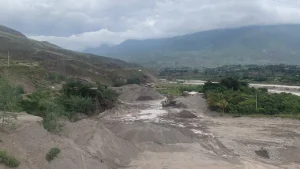
Every year, the U.S. mining industry generates approximately 1.8 billion tons of waste, much of it laced with valuable metals. Traditionally, these metals have been overlooked due to the environmental and economic costs of extraction. Phoenix Tailings aims to change that by using a proprietary mining waste recycling process that combines water, recyclable solvents, and electricity to recover metals from waste without producing toxic byproducts or carbon emissions.
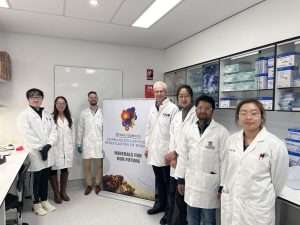
At its pilot facility in Woburn, Massachusetts, Phoenix Tailings is refining rare earth metals such as neodymium and dysprosium, essential for the magnets in wind turbines, EV motors, and defense systems. Unlike conventional methods, which often rely on hazardous chemicals, the company’s process is entirely carbon-free when powered by renewable energy.
“Our method allows us to recover these materials domestically, breaking reliance on foreign monopolies,” says co-founder Tomás Villalón, an MIT graduate. “We’re focused on creating critical materials for the next generation of technologies in a way that’s sustainable for the long term.”
Scaling Up for Impact
With backing from the Department of Energy, Phoenix Tailings is scaling operations. By 2026, it aims to produce over 3,000 tons of rare earth metals annually—equivalent to 7% of the U.S.’s current output. The company has also received $2 million in federal grants to expand its mining waste recycling process to other materials, including nickel, magnesium, and iron, which are crucial for battery production and clean energy infrastructure.

The technology’s adaptability is key to its potential. “Mining waste comes in many forms, and our process is compatible with a wide array of ore types,” Villalón explains. “That opens up opportunities not just for rare earths but for other critical metals as well.”
A Model for Sustainable Mining Waste Recycling
Phoenix Tailings’ approach reflects a broader trend toward circular economies, where industrial byproducts are repurposed rather than discarded. By transforming waste into a resource through mining waste recycling, the company addresses two challenges simultaneously: reducing environmental harm from mining operations and securing a domestic supply of critical metals.
The stakes are high. A recent International Energy Agency report warned that the world’s clean energy goals could be derailed without a significant ramp-up in metal production. At the same time, traditional mining practices face mounting scrutiny for their environmental and social impacts.
“This is a solution that works on multiple levels,” says Villalón. “It’s not just about meeting demand but doing so in a way that aligns with our values and responsibilities as stewards of the planet.”
From Backyard Experiments to Industry Leader
Phoenix Tailings began humbly in Villalón’s backyard, where he and co-founders Nick Myers, Michelle Chao, and Anthony Balladon tested early prototypes. Guided by lessons from their MIT coursework and mentorship from professors like Donald Sadoway, they refined their mining waste recycling system and produced their first batch of rare earth concentrate.
Today, the company operates on a much larger scale but remains committed to innovation. Villalón sees their work as part of a broader effort to redefine how materials are sourced and used.
Charting the Future
As Phoenix Tailings expands, it faces challenges, including navigating complex regulations and scaling its technology economically. But the founders remain optimistic. “The U.S. has the talent, the resources, and the drive to lead in this space,” Villalón asserts. “What we’re doing is proof that it’s possible to build a sustainable supply chain for critical metals through mining waste recycling.”
For a world hurtling toward electrification, companies like Phoenix Tailings offer a glimpse of what the future could look like: cleaner, greener, and more self-reliant.