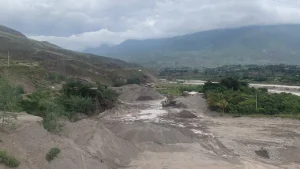
Temporary Measures Initiated While Agencies Consider Long-Term Protections
In a decisive move to safeguard one of New Mexico’s most pristine natural resources, U.S. Interior Secretary Deb Haaland announced a two-year segregation period on approximately 165,000 acres of the Upper Pecos watershed in Santa Fe. The decision temporarily prohibits new mining claims and federal mineral leases in the region, subject to valid existing rights. This critical step underscores the importance of Pecos River watershed conservation and protecting its ecosystem.

The Bureau of Land Management (BLM) and U.S. Forest Service (USFS) will use this period to consider a proposed 20-year mineral withdrawal to protect the watershed’s critical ecosystem, cultural heritage, and recreational value.
Related News
- BHP Sexual Harassment Allegations: Legal Scrutiny over NDAs in Australian Mining Lawsuits
- BHP, Rio Tinto Face Class Actions Over Alleged Systemic Sexual Harassment at Australian Mine Sites
- Mining Occupational Safety Challenge: Industry Faces High Injury Rates Amid Gaps in Training
- Rio Tinto and Sumitomo Join Forces to Propel the Winu Copper-Gold Project
Preserving a Vital Ecosystem in the Pecos River Watershed
The Upper Pecos watershed plays a pivotal role in maintaining water quality, sustaining local agriculture, and supporting diverse wildlife. Its tributaries—such as Dalton Canyon, Macho Canyon, and Wild Horse Creek—provide essential habitat for trout species, including the Rio Grande cutthroat trout, as well as other wildlife.
Since 2022, the Pecos River and its tributaries have been designated Outstanding National Resource Waters by the State of New Mexico. This recognition highlights the urgent need for New Mexico conservation efforts to safeguard the pristine conditions of the area, which benefit agricultural communities and Indigenous Peoples who have depended on the region’s resources for centuries.
“This step is critical for ensuring clean water, protecting sacred sites, and maintaining the health of this cherished watershed,” said Secretary Haaland.
Cultural and Recreational Significance of the Pecos River Watershed
The watershed holds profound cultural importance for Indigenous communities, including the Pueblos of Jemez and Tesuque, who continue to use the area for ceremonial practices. Its preservation is also vital for traditional acequia agriculture, which relies on the watershed’s health for irrigation.

Moreover, the area offers premier recreational opportunities, attracting hikers, anglers, and hunters to its rugged terrain and clear waters. These aspects make Pecos River watershed conservation a priority for protecting both cultural heritage and outdoor recreation.
A Legacy of Environmental Challenges
The push for withdrawal is rooted in lessons from the past. In 1991, toxic waste from a defunct mine spilled into the Pecos River, devastating fish populations along an 11-mile stretch and necessitating a costly cleanup effort. Such incidents have fueled calls from environmental advocates and local communities to permanently shield the area from mining risks.
New Mexico’s congressional delegation, led by Senator Martin Heinrich, has repeatedly introduced legislation to secure permanent protections for the Pecos watershed. “The watershed is vital to New Mexico’s way of life,” Heinrich said earlier this month. “We cannot risk its future to the threats posed by mining and pollution.”
Public Engagement and Next Steps
To inform the potential 20-year withdrawal, the BLM and USFS will open a 90-day public comment period and host at least one hybrid public meeting. The agencies aim to gather broad input from stakeholders, including Indigenous communities, conservation groups, and local residents.
While Congress remains the sole authority to enact permanent protections, the Biden administration’s recent actions reflect its commitment to New Mexico conservation amid political uncertainty.
Broader Implications for Federal Land Policy
The Pecos watershed decision aligns with the administration’s broader efforts to limit environmental damage from extractive industries. Similar measures include the BLM’s recent restrictions on oil and gas leases in Alaska’s Arctic National Wildlife Refuge.
However, the policy faces potential challenges under the incoming administration. President-elect Donald Trump has pledged to accelerate permitting for resource development, contrasting sharply with current conservation priorities.
For now, Secretary Haaland’s move marks a victory for environmentalists and underscores the urgent need for long-term solutions to protect the Pecos River and its surrounding ecosystems.
Key Takeaways
- 165,000 Acres Temporarily Protected: The two-year segregation halts new mining claims while permanent withdrawal is considered.
- Cultural and Ecological Importance: The watershed supports Indigenous practices, acequia agriculture, and critical wildlife habitats.
- Public Comment Period: Stakeholders will have 90 days to provide input on the proposed 20-year mineral withdrawal.
- Broader Context: The move reflects ongoing tensions between conservation and resource development under shifting political priorities.