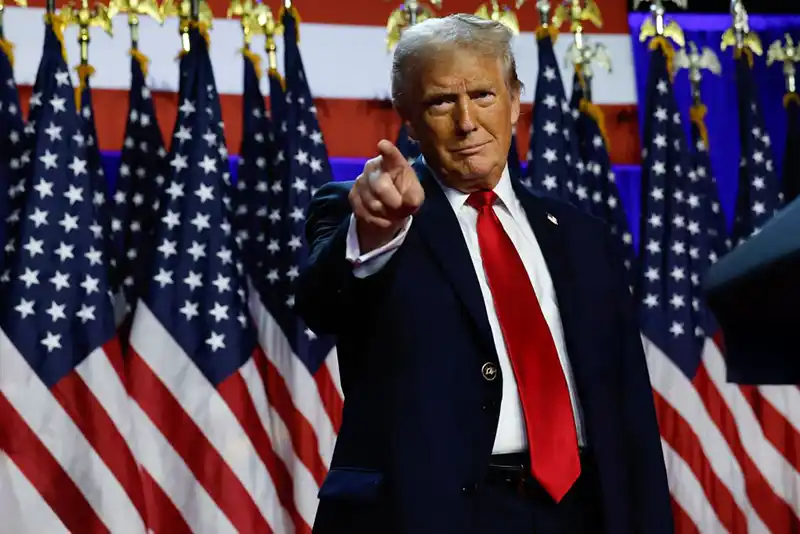

In his initial presidential campaign, Donald J. Trump assured the oil and gas industry that a resurgence was on the horizon under his leadership. He pledged to restore jobs and advance American energy dominance by loosening environmental regulations. Now, as Mr. Trump prepares for his second term, his rhetoric has evolved. He speaks less directly about fossil fuel workers and has tempered his vision for an energy boom. Experts say this shift reflects a transformed political and economic landscape, where renewable energy holds an increasing share and global pressures weigh heavily on traditional energy sectors.
Yet, with his recent re-election, the United States is set for significant policy shifts in energy that emphasize fossil fuel production and scale back regulations—changes welcomed by industry players but causing consternation among environmental advocates.
The Push for Fossil Fuel Resurgence: Trump Energy Policies
During his previous term, Trump delivered a suite of deregulatory actions, undoing many environmental protections and incentivizing oil, gas, and coal production on public lands. However, the anticipated economic revival in the fossil fuel sector did not fully materialize. Over 80 oil and gas companies filed for bankruptcy, and tens of thousands of fossil fuel jobs were lost as price fluctuations, competition from renewable sources, and a shifting political landscape posed formidable challenges. Coal plants continued shutting down, and oil demand remained volatile, undermining Trump’s initial promises of industry revitalization.
The administration’s renewed focus on Trump energy policies reflects a commitment to reduce dependency on foreign oil by ramping up domestic fossil fuel production.
More Read

In this term, President Trump has articulated a renewed commitment to revive fossil fuel industries, particularly coal and oil. Plans are underway to dismantle several environmental protections, including the Inflation Reduction Act, which previously allocated substantial funding for clean energy initiatives. By reducing regulatory constraints, his administration aims to expedite extraction and production, which it believes will reinvigorate the fossil fuel sectors and create jobs.

Trump energy policies have consistently aimed at reducing regulatory barriers for fossil fuel industries, promoting domestic oil, gas, and coal production as part of a broader ‘energy dominance’ strategy.
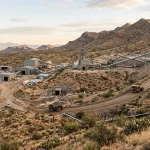
The mining sector has responded positively to these promises. Rich Nolan, president of the National Mining Association, expressed optimism, saying, “Now we’ve got Trump back, and I think that a lot of the advances we’ve made in a bipartisan way will be picked up.” This resurgence in mining would theoretically benefit communities reliant on coal and oil production, particularly in regions like Appalachia and the Western United States, where industries are economically significant.
The Limits of Deregulation and Global Market Realities
While Trump’s first term saw record sales of federal land leases and eased restrictions on methane emissions, the economic outcomes were mixed. Oil and natural gas prices fluctuated due to complex global supply chains, pandemics, and foreign competition, which added financial strain on U.S. producers. Industry experts caution that while reducing restrictions might facilitate operations, the broader economic reality remains that global demand and pricing dynamics will ultimately dictate the sector’s success.
Chart 1: U.S. Coal and Oil Production vs. Renewable Energy Generation (2016–2024)
| Year | Coal Production (MMst) | Oil Production (MMbpd) | Wind Generation (TWh) | Solar Generation (TWh) |
| 2016 | 739 | 8.9 | 226 | 36 |
| 2017 | 774 | 9.4 | 254 | 53 |
| 2018 | 756 | 10.5 | 275 | 64 |
| 2019 | 706 | 12.3 | 293 | 73 |
| 2020 | 539 | 11.3 | 338 | 90 |
| 2021 | 577 | 11.2 | 379 | 114 |
| 2022 | 544 | 11.9 | 429 | 128 |
| 2023 | 514 | 12.2 | 472 | 145 |
| 2024 | 505 | 12.4 | 497 | 159 |
“Trump made it easier for companies to drill, but demand and investment trends weren’t aligned,” said Ethan Zindler, head of Americas at BloombergNEF. Environmental rollbacks couldn’t counteract the broader economic and political headwinds.” The influx of renewable energy technologies has added to these challenges, making it harder for fossil fuels to compete with the falling costs of wind, solar, and battery storage options.
Some economists argue that Trump energy policies, focusing on deregulation, may not fully shield the fossil fuel sector from the market forces that continue to drive renewables’ rapid growth. With Trump energy policies back in play, coal and oil advocates anticipate a revival, though they remain cautious given the industry’s recent financial struggles.
The fossil fuel sector, once well-supported by investors, now faces capital challenges, as financial institutions pivot toward greener energy investments. Investors are increasingly scrutinizing environmental practices, and Wall Street has pressured firms to demonstrate sustainable returns rather than solely expanding output. As such, Trump’s regulatory rollbacks may relieve operational burdens but cannot alone drive the long-term profitability of these industries.
Trump energy policies could bring immediate cost savings to fossil fuel companies, but critics argue that the long-term environmental costs may outweigh the economic benefits.
Public Lands and Environmental Litigation
The Trump administration’s decision to expand fossil fuel extraction on public lands has drawn a sharp response from environmental groups. By reopening protected areas to mining and drilling, the administration hopes to accelerate domestic energy production. Yet these moves are expected to spark fierce legal battles with conservationists who argue that these actions threaten biodiversity, natural habitats, and protected lands.
Trump energy policies emphasize traditional energy sources, reflecting the administration’s commitment to revitalizing the fossil fuel sector despite global trends toward clean energy.
Bloomberg Law reports that Trump’s stance on public lands will face “copious litigation” as environmental organizations prepare to challenge the rollback of protections. Environmentalists argue that the potential damage to ecologically sensitive regions could have permanent repercussions. These lawsuits are likely to increase project timelines and raise costs for companies aiming to expand into new areas, dampening the financial attractiveness of these ventures.
Supporters argue that Trump energy policies, which focus on expanding drilling on public lands and scaling back environmental protections, will lead to job growth and enhance U.S. energy independence. Supporters argue that Trump energy policies can help stabilize fuel prices by increasing the supply of domestically produced oil and gas.
“Environmental groups are poised for battle, and we expect a high volume of court cases challenging the administration’s approach to land use,” said Dan Esty, a Yale University professor specializing in environmental law. The administration’s willingness to auction off land in previously protected areas could lead to unprecedented conservation challenges, particularly in the Western United States.
A Renewed Climate Divide: Global Repercussions
The administration’s pivot toward fossil fuels could impact the United States’ role in international climate agreements, including the Paris Climate Accord, which the Biden administration had rejoined. Environmental analysts suggest that a rollback of U.S. climate commitments could strain relationships with allies who are doubling down on carbon reduction goals. Under Trump’s leadership, the U.S. is less likely to meet international targets, which could lead to isolation on the global stage as countries advance collective climate change mitigation efforts.
Chart 2: Changes in Federal Environmental Regulations Impacting Fossil Fuel and Renewable Energy Sectors (2016–2024)
| Year | Regulation/Act | Sector Favored | Impact Summary |
| 2017 | Executive Order on Energy Independence | Fossil Fuels | Lifted restrictions on federal land drilling |
| 2018 | Methane Emission Rollbacks | Fossil Fuels | Eased requirements, reducing costs for oil/gas |
| 2020 | NEPA Amendments (fast-tracked permitting) | Fossil Fuels | Simplified approval for oil, gas, and coal projects |
| 2022 | Inflation Reduction Act (IRA) | Renewables | Allocated $369 billion to clean energy investments |
| 2024 | IRA Repeal | Fossil Fuels | Withdrawn funding, slowing renewables progress |
| 2024 | Public Land Leasing Expansion | Fossil Fuels | Opened more public land to fossil fuel extraction |
Domestically, Trump’s approach may resonate with parts of his base that see energy independence and traditional industry growth as key pillars of economic strength. However, the environmental consequences, coupled with international scrutiny, may weaken the country’s standing in global climate discussions.
“America’s pivot back to fossil fuels has both short-term economic appeal and significant long-term repercussions for global climate efforts,” noted Sarah Ladislaw, a senior fellow at the Center for Strategic and International Studies. “While the administration’s policies may boost domestic fossil fuel production, they could also lead to increased greenhouse gas emissions, undermining global climate initiatives and further alienating key allies.”
The Rise of Renewable Energy and Changing Public Sentiments
As the U.S. energy landscape continues its shift toward renewables, Trump’s emphasis on fossil fuels contrasts with broader trends in energy. Wind, solar, and battery storage investments are outpacing coal and are quickly catching up to oil and gas in terms of new job creation and economic viability. Clean energy jobs grew by nearly 5% annually during Trump’s first term, even as fossil fuel employment remained stagnant or declined.
Critics contend that Trump energy policies may undercut the nation’s climate commitments, with potential long-term impacts on greenhouse gas emissions and environmental sustainability.
Analysts suggest that Trump’s muted approach toward fossil fuels this time around reflects an acknowledgment of shifting voter priorities. In key swing states like Texas and Pennsylvania, the clean energy sector is creating jobs and winning public approval. Younger voters and suburban populations are showing heightened concerns about climate change, with a 2021 Pew Research Center survey indicating that two-thirds of Americans believe the federal government should do more to address climate issues.
Many industry stakeholders believe that Trump energy policies could boost domestic production by prioritizing oil, coal, and gas sectors over renewable investments.
“Trump can’t say he’ll bring coal back anymore. That promise didn’t pan out,” said Erin Bates, a spokesperson for the United Mine Workers of America. “He’s got to move on and focus on other issues that resonate with voters.” Political experts say that Trump’s cautious approach toward making industry promises reflects his understanding that the market’s shift toward renewables is not easily reversible, and unfulfilled promises won’t necessarily help his campaign.
Environmental advocates warn that Trump energy policies could lead to increased emissions, particularly as regulations on methane and other pollutants are rolled back.
Navigating the Future of U.S. Energy Policy
For the U.S. energy sector, a Trump-led second term presents a mix of uncertainty and opportunity. Industry groups are monitoring how he will approach international markets, drilling restrictions, and trade dynamics. Many remain cautious, as the economic reality for fossil fuels remains challenging, with increased competition from renewables and heightened scrutiny from both investors and the public. While Trump may focus on pro-energy policies, experts caution that the broader momentum toward renewable energy will persist.
Chart 3: Energy Sector Employment by Category: Fossil Fuels vs. Renewables (2016–2024)
| Year | Fossil Fuel Jobs (thousands) | Renewable Energy Jobs (thousands) |
| 2016 | 150 | 130 |
| 2017 | 140 | 150 |
| 2018 | 138 | 162 |
| 2019 | 130 | 185 |
| 2020 | 118 | 195 |
| 2021 | 120 | 210 |
| 2022 | 125 | 240 |
| 2023 | 127 | 255 |
| 2024 | 130 | 270 |
In traditional oil states like Texas and Oklahoma, the growth of wind and solar projects is reshaping the energy economy. While these states have historically supported fossil fuels, they are now leaning into clean energy as a future-proof economic strategy. Renewable projects have created thousands of new jobs and contribute to economic stability, signaling a trend that may be hard to reverse even under Trump’s renewed push for fossil fuels.
The latest Trump energy policies also prioritize rapid permitting for fossil fuel projects, allowing new developments to bypass certain environmental reviews that previously delayed projects.
Balancing Economic Growth and Environmental Concerns
With Trump’s plans to scale back the Inflation Reduction Act and other clean energy investments, his administration faces a balancing act between fostering economic growth in fossil fuel sectors and addressing environmental concerns. As many communities in coal- and oil-dependent regions hope for a resurgence, environmentalists warn that increased emissions and potential ecological degradation could cause lasting harm.
In response to these shifts, policymakers will likely have to address the economic realities of transitioning workers and regions away from fossil fuels. Diversifying local economies and expanding workforce retraining programs may be crucial to supporting these communities, as coal and oil jobs continue to face long-term declines despite temporary regulatory relief.
While Trump energy policies may benefit short-term fossil fuel gains, analysts suggest that long-term investments are still shifting toward renewables in response to economic and environmental pressures.
Conclusion: A Turning Point in U.S. Energy Policy
With his re-election, Trump’s promise of energy dominance through fossil fuels may appeal to certain voter bases, but the complex interplay of market dynamics, environmental concerns, and global trends suggests that fossil fuels may struggle to regain their former footing. The administration’s policies will likely influence the trajectory of U.S. energy for years to come, but the continued rise of renewables and public support for sustainability indicate that a full return to fossil fuel dependence may be challenging, even with renewed policy support.
Industry experts say that Trump energy policies, though favorable to oil and gas, may face challenges due to market shifts toward renewables, where costs are rapidly decreasing and attracting more investment.
In the months ahead, the administration’s approach will reveal the extent to which fossil fuels remain viable in an evolving energy market and the role that environmental considerations will play in U.S. policy. The energy sector’s future appears poised between Trump’s pro-fossil fuel agenda and the inexorable push toward a sustainable, renewable-based economy. As both industry and the public navigate this shift, the next four years will be pivotal in shaping America’s path in the global energy landscape. Trump energy policies have sparked optimism among oil and gas producers, who see the potential for growth in areas previously restricted by federal regulations.
FAQ
How do Trump energy policies affect the U.S. fossil fuel industry?
Trump energy policies aim to support the fossil fuel industry by reducing regulations, promoting drilling on public lands, and prioritizing coal, oil, and natural gas. These measures are intended to boost domestic production and create jobs, though they face challenges from global market forces and the growth of renewable energy.
Will Trump’s energy policies impact renewable energy growth?
Trump’s administration plans to shift funding and resources from renewable initiatives back to fossil fuel sectors, including by rolling back elements of the Inflation Reduction Act. This could slow renewable energy growth, though demand for renewables continues to rise due to market trends and decreasing technology costs.
What changes can we expect for environmental regulations?
Trump energy policies focus on deregulating environmental protections that impact fossil fuel production, such as methane emission rules and land use restrictions. These changes aim to streamline industry operations but have raised concerns among environmental groups about increased emissions and ecological impact.
How does deregulation affect energy jobs in the U.S.?
Deregulation under Trump energy policies may temporarily boost jobs in oil, gas, and coal sectors by facilitating new projects. However, job growth in renewables has outpaced fossil fuels in recent years, and some analysts believe a sustained energy transition may limit long-term employment gains in fossil fuels.
What are the global implications of Trump’s energy policies?
By prioritizing fossil fuels, Trump’s policies may affect the U.S. stance in international climate agreements like the Paris Accord. Increased greenhouse gas emissions could strain global climate efforts and shift U.S. energy policy out of alignment with countries that are accelerating their renewable energy investments.
Why is renewable energy gaining investment despite supportive fossil fuel policies?
Renewable energy sources, like wind and solar, are becoming more cost-effective and competitive, attracting investors focused on long-term growth and sustainability. While Trump energy policies support fossil fuels, many financial institutions are pivoting towards renewable investments in response to public demand and global climate goals.