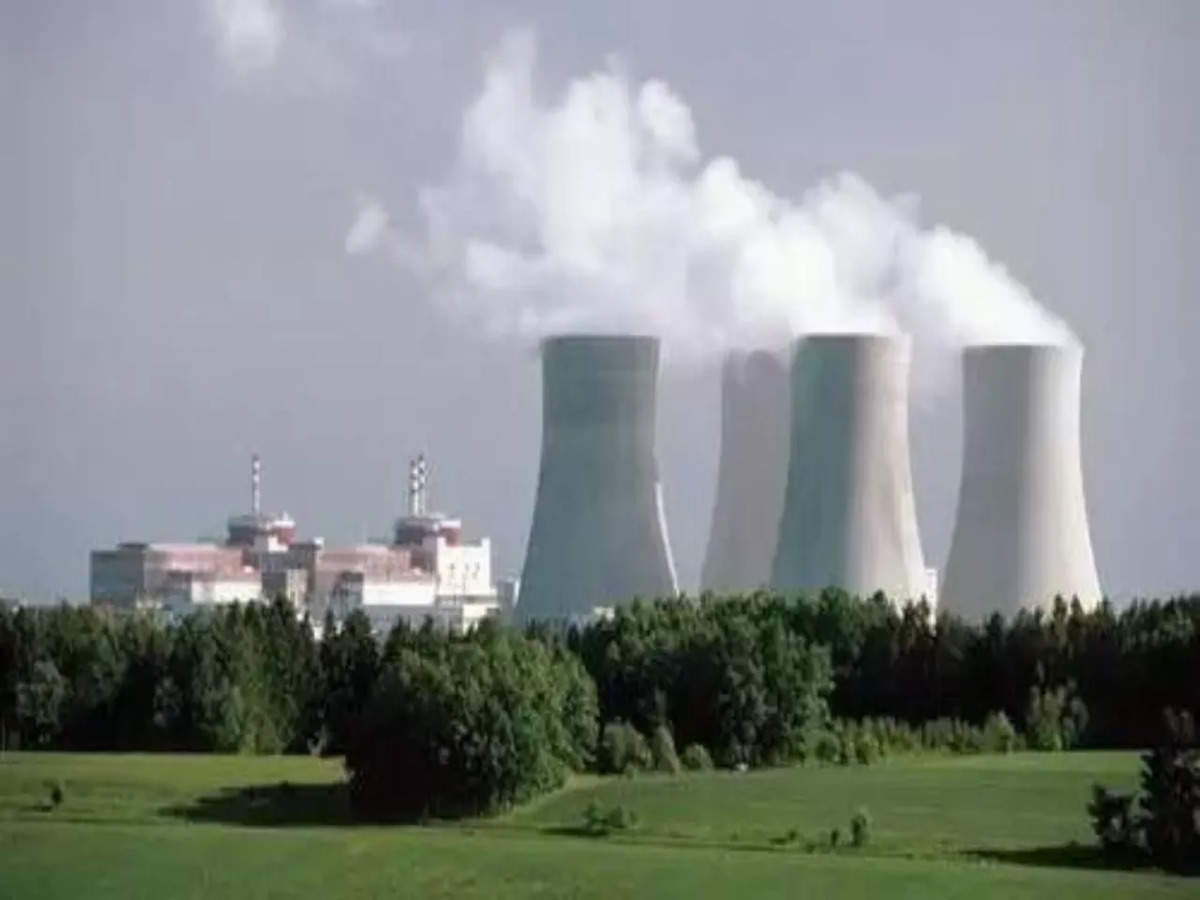

The U.S.-Philippines partnership reached a significant milestone when their Civil Nuclear Cooperation Agreement officially entered into force. This landmark agreement formalized the framework for transferring advanced nuclear technology and materials from the U.S. to the Philippines, aimed at peaceful energy generation.
This development not only advances the Philippines’ goal of energy diversification but also strengthens U.S. influence in Southeast Asia amid rising tensions with China. The agreement allows for the deployment of cutting-edge small modular reactors (SMRs), a crucial step toward enhancing the Philippines’ energy security. SMRs, known for their efficiency and safety, are expected to play a pivotal role in reducing the country’s dependence on imported fossil fuels.
Strategic Implications: A Move Beyond Energy
The timing of this agreement is particularly significant, given the current geopolitical landscape in Southeast Asia. As China continues to assert its dominance in the South China Sea, the U.S. is leveraging this nuclear pact to reinforce its alliances in the region. The Philippines, facing increased pressure from Beijing, sees this cooperation as a way to assert its sovereignty and align more closely with the U.S.
Critical Minerals: Expanding the Partnership’s Scope
The nuclear agreement is just one facet of the growing U.S.-Philippines partnership. The two nations are also working to expand collaboration in the critical minerals sector, particularly in the extraction and processing of nickel and cobalt. These minerals are essential for the production of batteries and other technologies key to the global clean energy transition.
More Read

However, environmental and social concerns surrounding mining practices in the Philippines need to be addressed to ensure that this partnership is sustainable and benefits local communities.

Expert Opinions: Diverse Perspectives
Industry experts have mixed views on the implications of this nuclear agreement. Some see it as a crucial step for the Philippines in achieving energy security and reducing greenhouse gas emissions. “This agreement is a win for the Philippines, providing access to advanced technology that can meet growing energy demands sustainably,” says Dr. Maria Santos, an energy policy analyst.
You might be Interested In
- The Future of Water Management in Mining: Balancing Resource Extraction and Environmental Stewardship
- Bluebird commences work for DMPF at Philippines gold project
- LKAB plans mining and rare earth projects in EU
Conversely, others warn of potential regional destabilization. “The introduction of nuclear technology in Southeast Asia could escalate tensions, particularly with China, and could lead to an arms race,” cautions Robert Jacobs, a senior fellow at the Asia-Pacific Security Institute.
Conclusion: A Defining Moment for Bilateral Ties
The U.S.-Philippines Civil Nuclear Cooperation Agreement marks a defining moment in the two nations’ relationship, with far-reaching implications for energy security and regional stability. As the Philippines embarks on its nuclear journey, the success of this partnership will hinge on careful management of both the strategic and environmental challenges that lie ahead.