The mining industry, pivotal in supplying raw materials essential for global infrastructure and technology, faces a unique array of risks and challenges. As operations delve deeper into the earth and environmental concerns rise, the need for comprehensive insurance solutions becomes increasingly critical.

Mining enterprises are exposed to a spectrum of risks, including natural disasters, equipment failures, and regulatory changes. The volatile nature of commodity prices adds another layer of uncertainty, making risk management a top priority. Insurance plays a crucial role in mitigating these risks, ensuring the sustainability and financial stability of mining operations.
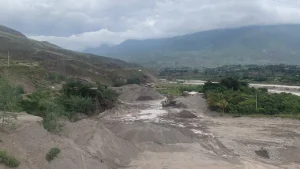
One of the primary concerns for mining companies is property damage and business interruption. Mines are often located in remote areas, susceptible to natural catastrophes like earthquakes, floods, and landslides. These events can halt production, leading to significant financial losses. Insurance policies tailored to cover property damage and business interruption are vital in safeguarding against these unpredictable incidents.
Liability insurance is another essential component, addressing the potential legal and financial repercussions of accidents and environmental damage. Mining activities can have substantial impacts on local communities and ecosystems, making companies vulnerable to lawsuits and regulatory penalties. Comprehensive liability coverage helps manage these risks, protecting the company’s assets and reputation.
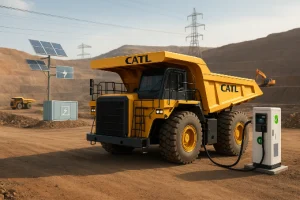
The advancement of technology in mining operations introduces new risks related to cybersecurity and machinery breakdowns. As mines become more automated and reliant on digital systems, the threat of cyberattacks and technical failures increases. Insurance policies that cover cyber risks and equipment malfunctions are becoming indispensable, ensuring that technological advancements do not become liabilities.
Environmental regulations are tightening globally, with increasing scrutiny on the mining sector’s impact on natural resources and biodiversity. Compliance with these regulations is not only a legal obligation but also a significant financial burden. Environmental insurance provides coverage for the costs associated with environmental clean-up, fines, and litigation, helping companies navigate the complex regulatory landscape.

Additionally, political risks are a considerable concern, especially for mining operations in regions with unstable governments or social unrest. Policies that cover political risks, including expropriation, nationalization, and civil unrest, offer a safety net for companies operating in volatile environments.
The mining industry’s reliance on insurance extends beyond risk mitigation. Insurance companies often provide risk management services, helping mining enterprises identify potential hazards and implement preventative measures. This proactive approach not only reduces the likelihood of incidents but also lowers insurance premiums, benefiting the company’s bottom line.
As the industry evolves, so too must the insurance products that support it. Insurers are developing innovative solutions to address emerging risks, such as climate change impacts and the transition to renewable energy sources. These forward-thinking policies ensure that mining companies are prepared for future challenges while maintaining operational resilience.