Efforts to halt uranium mining operations near the Grand Canyon
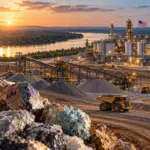
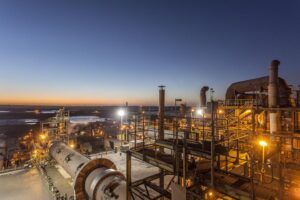
Efforts to halt uranium mining operations near the Grand Canyon are gaining momentum as environmental activists and tribal groups raise concerns about potential water contamination and health risks. The Pinyon Plain Mine, situated just a stone’s throw away from the majestic Grand Canyon National Park, has stirred up quite a bit of debate, even though it falls within the boundaries of the newly designated Baaj Nwaavjo I’tah Kukveni National Monument.

In late June 2024, a group of environmental organizations, such as the Sierra Club and Center for Biological Diversity, presented a petition containing over 17,500 signatures to Arizona Governor Katie Hobbs. They called on her to take action and shut down the mine. According to activists, the mining activities pose a significant risk to the groundwater that nourishes the Grand Canyon’s seeps and springs. This could have negative consequences for the local ecosystems and communities.
Related News
- Local Resistance Grows Against Lithium Mining in Portugal
- Tesla Stock Surge Drives Demand for Critical EV Minerals
- Mexico Seeks Agreement with Chinese Lithium Firm Over Disputed Mining Concessions
- Cobalt Conflict Intensifies in Indian Ocean Over India and China-Backed Sri Lanka in Mining Rights
The company operating the Pinyon Plain Mine asserts that the site has undergone thorough environmental studies and adheres to all necessary permits. In late December 2023, the company started extracting uranium ore, driven by the rising prices of uranium and the growing backing for nuclear energy as a clean power option.
The mine controversy brings attention to the ongoing discussion between economic interests, energy policy, and environmental conservation. Native American tribes, including the Havasupai, have voiced their strong opposition to the mining activities due to concerns about their drinking water source being located beneath the mine.
The office of Governor Hobbs has issued a response to the petition, asserting that the Pinyon Plain Mine is subject to rigorous regulation and undergoes regular inspections by the Arizona Department of Environmental Quality (ADEQ). However, activists are expressing concerns about the potential risks and are urging state and federal officials to take more decisive action.
More Read

The matter has also raised concerns about the wider consequences of uranium mining and transportation through indigenous territories. The Navajo Nation, with its extensive experience in addressing the consequences of uranium mining, has once again expressed its strong objection to the transportation of uranium through its territory.

Amidst the ongoing debate, environmental groups and tribal nations are actively exploring different legal and political options to contest the mine’s operations. On the other hand, energy companies and certain policymakers are advocating for the significance of domestic uranium production to support nuclear energy.
The ongoing situation highlights the intricate relationship between energy policy, environmental protection, and tribal sovereignty, posing substantial challenges for policymakers and stakeholders in the region.