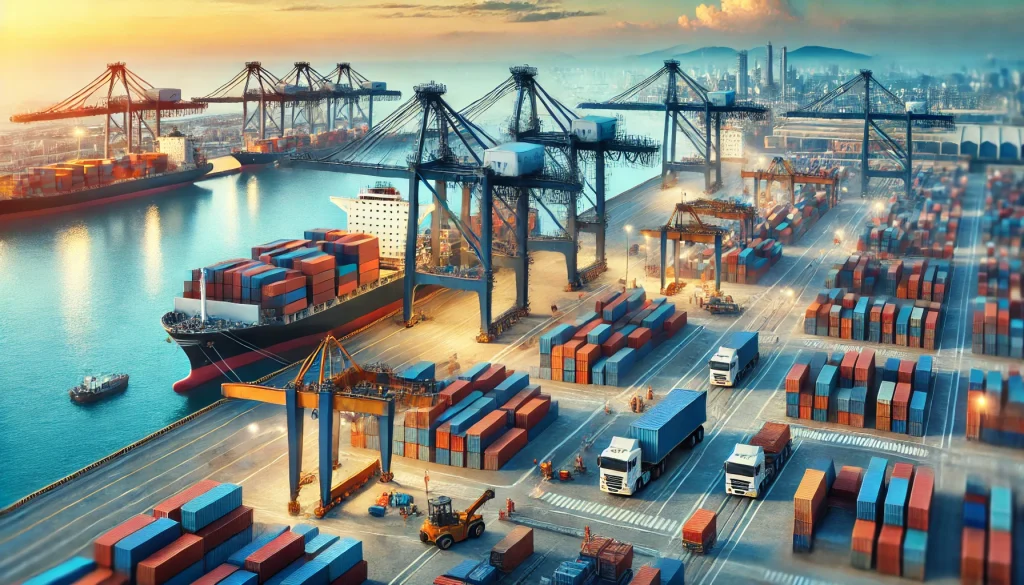
A recent agreement between the International Longshoremen’s Association (ILA) and the United States Maritime Alliance (USMX) has potentially averted a strike that could have disrupted key sectors like steel and retail imports. The tentative deal, which would increase dockworkers’ wages by 62%, lifting the hourly rate from $39 to $63, brings much-needed relief to the U.S. steel industry. Dockworkers would now be positioned to earn $131,000 annually without overtime. While industry players welcome the deal, questions linger over the broader economic impacts of wage inflation and the future of port automation.

Relief for Steel Industry Amid Uncertainty
The agreement to suspend the strike has calmed fears across the steel industry, particularly concerning the import of semi-finished steel products like billet, slab, and pig iron. According to Felix Bello, North America steel analyst at Fastmarkets, “The impact is all good,” as the agreement prevents costly supply chain disruptions. This is a crucial outcome for the steel sector, which relies heavily on a steady flow of imported materials for production.
However, industry insiders are split on the broader economic implications of the wage increase. A mill source warned that the rise in dockworker wages could push inflation beyond the Federal Reserve’s 2% target, particularly affecting industries reliant on containerized imports such as retail, where goods are often perishable or at risk of becoming obsolete.
Inflationary Effects on Consumer Goods
While the wage hike’s impact on steel imports may be manageable due to the mechanized nature of bulk cargo unloading, consumer goods are more vulnerable. A southern distributor noted, “Higher shipping costs will most significantly affect low-value, retail-oriented items from major chains like Walmart and Target.”
For steel, however, the impact may be less severe. “The cost of freight isn’t a huge percentage of the cost of steel,” said a northeastern distributor, minimizing concerns about end-unit cost inflation for steel products like beams and billets. Yet, the wage hike provides a pretext for steel producers to raise prices.
More Read

Automation and Future Industry Shifts
The ongoing tension over automation remains unresolved. The ILA has long resisted automation at U.S. ports, fearing job losses. A steel buyer expressed concern over this opposition, noting, “Ports will need to become more efficient through automation to keep costs down. We’ve seen other industries implement automation without replacing existing workers.”

The resistance to automation could have long-term effects on port competitiveness and global supply chains. Bello predicts that rising wages and automation resistance may accelerate the trend toward regional trading blocks, stating, “We’re heading towards more regionalization in trading, especially in North America, over the next five years.”
Possible Fallout from Deal Ratification
While many expect dockworkers to ratify the deal, labor experts caution that ratification is not guaranteed. Arthur Wheaton, director of labor studies at Cornell University, expressed concerns, citing previous instances where unions rejected seemingly favorable deals. “The biggest fear is if the union fails to ratify the deal. We saw this happen with Boeing workers,” Wheaton noted.
More Read

If a deal is not finalized by January 15, the threat of a resumed strike looms, posing serious risks to steelmakers, manufacturers, and retailers alike. The steel industry is watching closely, knowing that another disruption could send ripples across the U.S. economy.
Conclusion: While the tentative agreement between the ILA and USMX has brought temporary relief to industries reliant on imports, including steel, the long-term implications remain uncertain. Wage inflation, port automation, and future supply chain disruptions are key issues that investors and industry leaders must monitor as this deal moves toward ratification. As regional trade shifts and wage inflation continue, stakeholders are left to navigate an increasingly complex economic landscape.