Green hydrogen and automation are poised to reshape the mining industry—ushering in an era of cleaner, smarter operations. But even as machinery grows more powerful and technologies more intelligent, the sector faces a critical barrier: a widening mining skills gap.

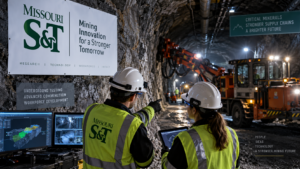
Mining, once defined by physical labor and rudimentary tools, is undergoing a profound digital transformation. Today’s mines deploy AI-driven diagnostics, remote-controlled machinery, and increasingly, hydrogen-powered equipment. This technological evolution brings with it a fundamental shift in what it means to work in mining—and who is qualified to do so.
The Rise of Smarter, Greener Mines
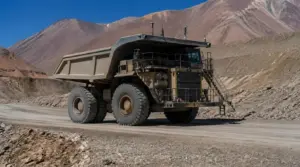
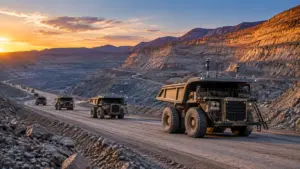
From massive drills to autonomous haul trucks, mining equipment has never been more advanced. Now, green hydrogen is emerging as a sustainable fuel source, enabling companies to reduce carbon emissions and operate in compliance with tightening global regulations.
At the same time, automation is enhancing worker safety and allowing companies to tap into previously unreachable ore bodies. Smart sensors and cloud-based platforms enable real-time monitoring, while robotic systems are displacing some of the industry’s most hazardous tasks.
But this automation doesn’t eliminate the need for workers—it redefines their roles. Software developers, AI engineers, and robotic specialists are fast becoming as essential to mining as geologists and metallurgists once were.
More Read
Related News
- Mined Grassland Restoration in China: 7 Strategies to Tackle Carbon Loss Crisis
- Europe’s Critical Minerals Push Stalls Amid Poor Public Perception
- Stardust Power’s Oklahoma Lithium Facility Avoids Wastewater Permit with Closed-Loop System
- Carney Assembles Economic Team with Ex-Goldman Banker and Quebec Power Broker
Skills Are the New Frontier in Mining
Despite technological strides, the mining skills gap is expanding. As equipment grows more complex, the workforce must adapt. Traditional training pathways are no longer adequate. The sector now demands hybrid skill sets that blend mechanical expertise with fluency in programming and data analysis.

This transformation is visible in job descriptions. A mine technician in 2025 is expected to interpret drone data, understand machine learning outputs, and tweak code for autonomous equipment. These aren’t add-ons—they are core competencies.
Yet, education systems are lagging. Enrollment in STEM disciplines remains low, and many engineering students struggle to complete their studies. The pipeline of skilled workers is shrinking just as the demand surges.
Bridging the Education Disconnect
One of the mining industry’s most pressing challenges is the disconnect between academia and operational reality. Graduates often emerge with theoretical knowledge but little exposure to the digital tools reshaping mining.
Reskilling—not just upskilling—is now critical. Schools must integrate digital literacy, robotics, and coding from the earliest stages. Some promising models exist: vocational colleges are expanding digital training programs, and a handful of schools are embedding tech into their STEM curricula. But these efforts remain fragmented and insufficient.
To close the gap, mining companies must step up. Stronger partnerships with training institutions and co-developed curricula tailored to industry needs will be key. Programs must offer hands-on exposure—not just lectures. Young people should set foot on mines, not just learn about them.
Policy Needs Teeth, Not Talk
South Africa, like many mining nations, has long acknowledged the need to modernize its workforce. But much of this recognition exists only on paper. Real progress demands coordinated, multi-stakeholder action.
Government must move beyond broad strategy documents and fund tangible, scalable workforce development initiatives. Policymakers, educators, and mining companies need a shared roadmap that aligns skills development with technological transformation.
Initiatives such as CSIRO’s hydrogen strategy and the World Economic Forum’s reskilling campaigns offer global templates. But without local execution, they remain academic.
People Will Still Power the Future of Mining
Even in a future dominated by green hydrogen and autonomous machines, mining remains a human endeavor. Every algorithm needs a coder, every robot a technician, every system an architect. The success of digital mining hinges not just on innovation, but on human capital.
The sector’s long-term competitiveness—and its environmental sustainability—depends on closing the mining skills gap now. Green energy and automation may light the way forward, but it is skilled people who will power the journey.