Huayou Zimbabwe Lithium Plant – When Chinese mining giant Huayou Cobalt announced its new lithium sulphate plant would come online in early 2026, it wasn’t just another mine opening. It was a strategic move to transform Zimbabwe from a mere exporter of raw rock into a critical node in the global electric vehicle supply chain.

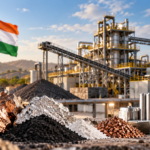
Huayou, through its subsidiary Prospect Lithium Zimbabwe, is sinking $400 million into the facility. Its goal: to process the low-value lithium concentrate currently being dug out of Zimbabwean soil into a high-purity, semi-refined product ready for battery makers. This is vertical integration on a national scale, aimed at embedding Zimbabwe into the mid-stream of battery production.
The investment is a major win for Harare’s industrial policy. For years, the country has watched its raw lithium ore be shipped abroad, primarily to China, with most of the economic upside captured elsewhere. Huayou’s plant is the first tangible result of a government mandate designed to reverse that flow.
Huayou Zimbabwe Lithium Plant: From Raw Rock to Refined Value
The core of Zimbabwe’s strategy is value addition. The government plans to ban the export of unprocessed lithium concentrate starting in January 2027. This puts immense pressure on miners to develop local processing capabilities. Instead of shipping tonnes of spodumene concentrate (which contains only 5-6% lithium), the Huayou plant will export lithium sulphate a stable, easily transportable intermediate product that drastically reduces bulk and increases value.
More Read

What’s less discussed is the geopolitical logic. By funding and building this processing capacity, China secures a more refined and resilient supply line for its own giga-factories. It reduces shipping costs, diversifies its processing locations, and solidifies its relationship with a resource-rich African partner.

According to Huayou, the plant will create over 1,000 jobs and will be supported by its own 70-megawatt thermal power plant—a crucial piece of infrastructure in a country plagued by energy shortages.
A Strategic Linchpin for Beijing and Harare
More Read

Huayou’s project isn’t an isolated bet. It is the flagship of a coordinated, multi-company investment wave from China that exceeds $1 billion. Firms like Sinomine, Chengxin Lithium Group, and Tsingshan Holding have all acquired and are developing lithium projects across the country. This collective action is rapidly turning Zimbabwe into a primary lithium hub for Chinese industry.
“This is a textbook resource-for-infrastructure play, but with a tech-focused twist,” said a metals supply chain analyst. “China isn’t just extracting; it’s building the next level of the value chain on-site. It gives them security of supply and gives Zimbabwe industrial capacity it couldn’t build on its own.”
Operational Hurdles in a High-Stakes Game
The path is not without challenges. Zimbabwe’s operational environment includes risks from currency instability to infrastructure deficits. The project’s success hinges on consistent power supply—hence Huayou’s decision to build its own power station—and a stable policy environment that continues to favour foreign investment.
Third-party verification of production quality and environmental standards will also be critical for the product’s acceptance in an increasingly scrutinized EV market. Furthermore, the long-term viability depends on a sustained high-price environment for lithium, which has seen significant volatility.
Building Africa’s Battery Metal Backbone
For decades, African resource wealth has largely meant digging and shipping. The Huayou plant represents a potential break from that model. By transforming raw ore into a value-added chemical precursor on African soil, it sets a new precedent for the continent’s role in the energy transition. As the world scrambles to secure battery materials, Zimbabwe is positioning itself not just as a quarry, but as a critical workshop.
“Everyone is focused on the mines,” noted a resource economist. “But the real story is in the processing. That’s where the value is created, and Zimbabwe is finally getting a piece of it.”