By Penny Laneford

Look, if you’re sitting there with a geology degree wondering what the best metal to mine for money in 2026 really is, you’ve come to the right place. The mining game has completely flipped in the past two years, and the old rules about gold being king are getting tossed out the window faster than a failed drill sample.
The short answer? Copper is where the money is right now. But before you go updating your LinkedIn to “Copper Specialist,” let’s dig into why each sector is paying what it’s paying, and what that means for your bank account.
The Copper Cash Cow: The Best Metal to Mine for Money in 2026
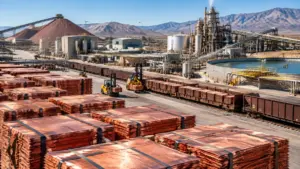
Here’s the thing about copper mining salary trends in 2026 – they’re absolutely bonkers compared to where they were even 18 months ago. Goldman Sachs isn’t mincing words here; they’ve got a “long-run copper preference over aluminium, lithium, and iron ore” because the math just works out better for everyone involved.
More Read

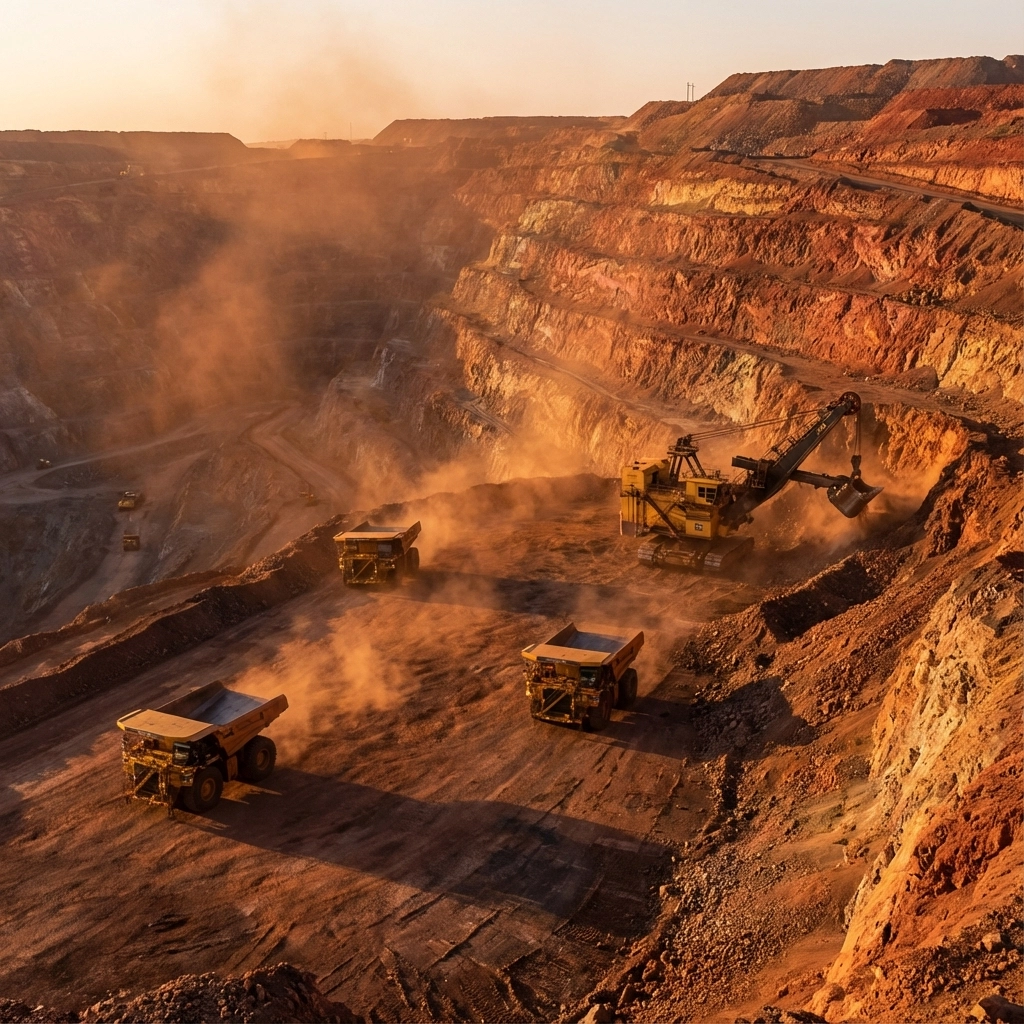
The numbers tell the story. Global copper mine output is crawling along at a measly 2.1% growth by end of 2025, hitting 23.4 million tonnes. That’s pathetic growth for a metal that’s basically the backbone of every green energy project on the planet. Meanwhile, demand is screaming higher because every solar panel, wind turbine, and electric grid upgrade needs copper like your car needs gas.

What does this mean for copper miner salary expectations? Junior exploration geologists who would’ve been happy with $75k two years ago are now commanding $95k-$110k starting salaries, especially if they’ve got any experience with porphyry systems or sediment-hosted deposits. Senior project geologists with copper experience? They’re looking at $140k-$180k, and that’s before bonuses.
The kicker is that copper projects have longer development timelines than lithium or even some gold plays, which means companies are willing to pay premium salaries to lock in talent for 3-5 year commitments. If you’re thinking about jumping into copper exploration, now’s the time to make that move.
Lithium’s Roller Coaster Reality
Now, lithium miner salary discussions get complicated fast. On paper, lithium demand is supposed to rocket up 17-30% in 2026, which should translate to fat paychecks for everyone involved. Energy storage demand alone is projected to surge 55% next year, and every battery gigafactory announcement should theoretically mean more jobs and higher pay.
But here’s where it gets messy. Supply is also expected to jump 19-34%, and nobody can agree on whether we’re heading for a deficit or surplus. Morgan Stanley thinks we’ll be short 80,000 metric tons of lithium carbonate equivalent, while UBS is saying only 22,000 tons. That’s not exactly the kind of supply crunch that drives salaries through the roof.

The reality on the ground is that lithium mining salaries are all over the map depending on which type of operation you’re looking at. Hard rock lithium mining (spodumene) is still paying decent money – think $85k-$120k for experienced mine geologists – because the established players like Albemarle and Livent need people who understand pegmatite geology.
But the brine operations? That’s where things get interesting and potentially lucrative. If you’ve got experience with brine chemistry or hydrogeology, some of the South American operations are throwing around $130k-$160k packages for senior technical roles. The catch is you’re probably living in the Atacama Desert or some equally remote location for months at a time.
The wild card is all these startups trying to crack direct lithium extraction technology. Some are burning through cash fast and offering equity packages that could either make you rich or leave you with worthless stock options. It’s high risk, high reward territory.
Gold: The Steady Eddie Option
Let’s be honest about gold mining salary prospects in 2026 – they’re not exactly setting the world on fire. Gold’s sitting in this weird defensive position where it’s not going anywhere fast, but it’s not collapsing either. Silver hit $60 per ounce in 2025, which got some precious metals people excited, but that’s more about industrial demand than the traditional safe-haven narrative.
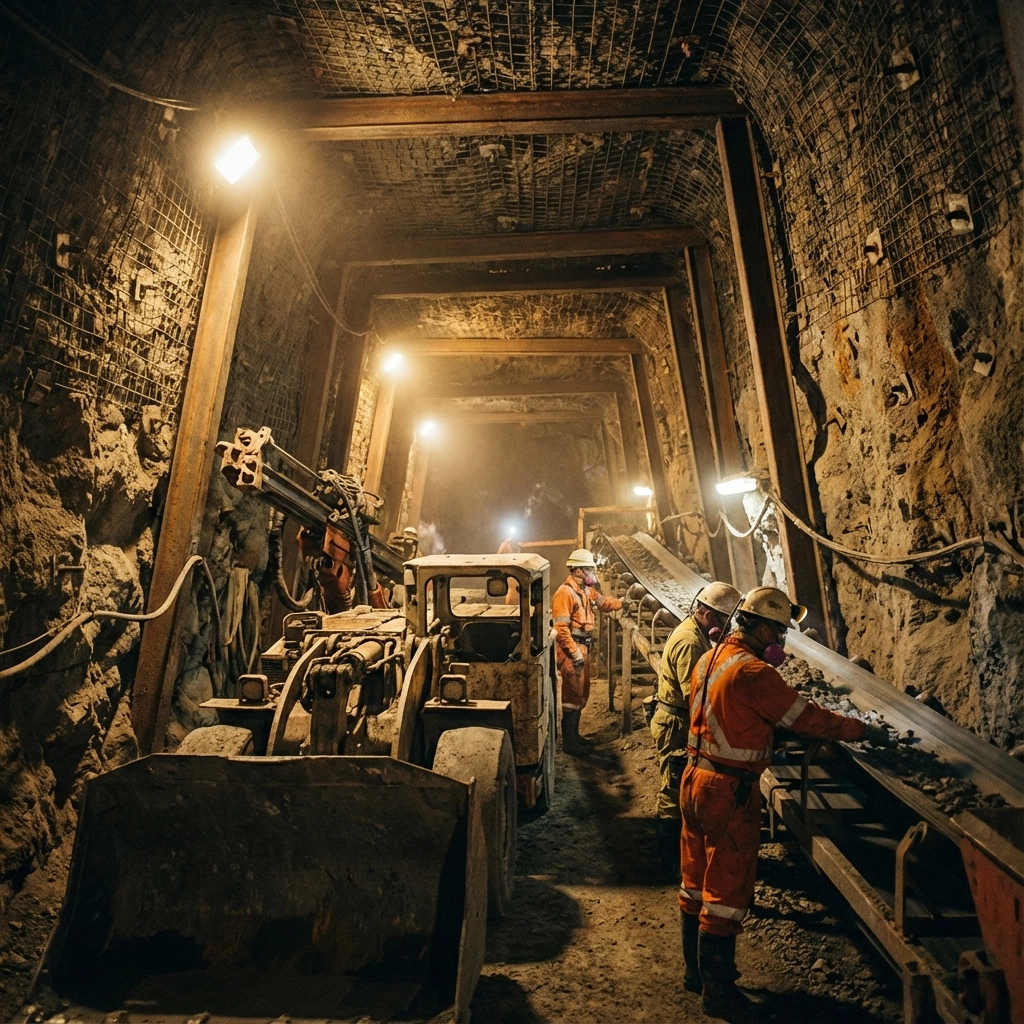
The salary picture for gold reflects this lukewarm market reality. Established gold miners are paying steady, predictable wages without the wild swings you see in copper or lithium. A senior mine geologist at a major gold operation is looking at $115k-$140k, which isn’t shabby, but it’s not the kind of money that makes your neighbors jealous either.
Where gold gets interesting from a career perspective is in the junior exploration space. There are still plenty of small-cap gold explorers willing to take risks on untested ground, especially in jurisdictions like Nevada or parts of West Africa. These companies often can’t compete on straight salary, but they’ll throw stock options at you like confetti.
The other angle worth considering is that gold mining operations tend to be more stable employment-wise. Copper projects can get shelved when metal prices swing, and lithium startups can implode overnight. Gold mines just keep grinding along, which means steady paychecks and better long-term career security.
The Junior Explorer’s Dilemma
If you’re thinking about jumping into the junior exploration game – the “bedroom entrepreneur” side of mining – the metal you choose matters more than ever. This isn’t like 2010 when every junior with a decent land package could raise money regardless of the commodity.
Copper juniors are absolutely the darlings of the investment community right now. If you can put together a legitimate copper exploration play, especially in a mining-friendly jurisdiction, you’ll have an easier time raising capital than your lithium or gold counterparts. That translates to better job security and potentially more upside if you’re getting paid in shares.
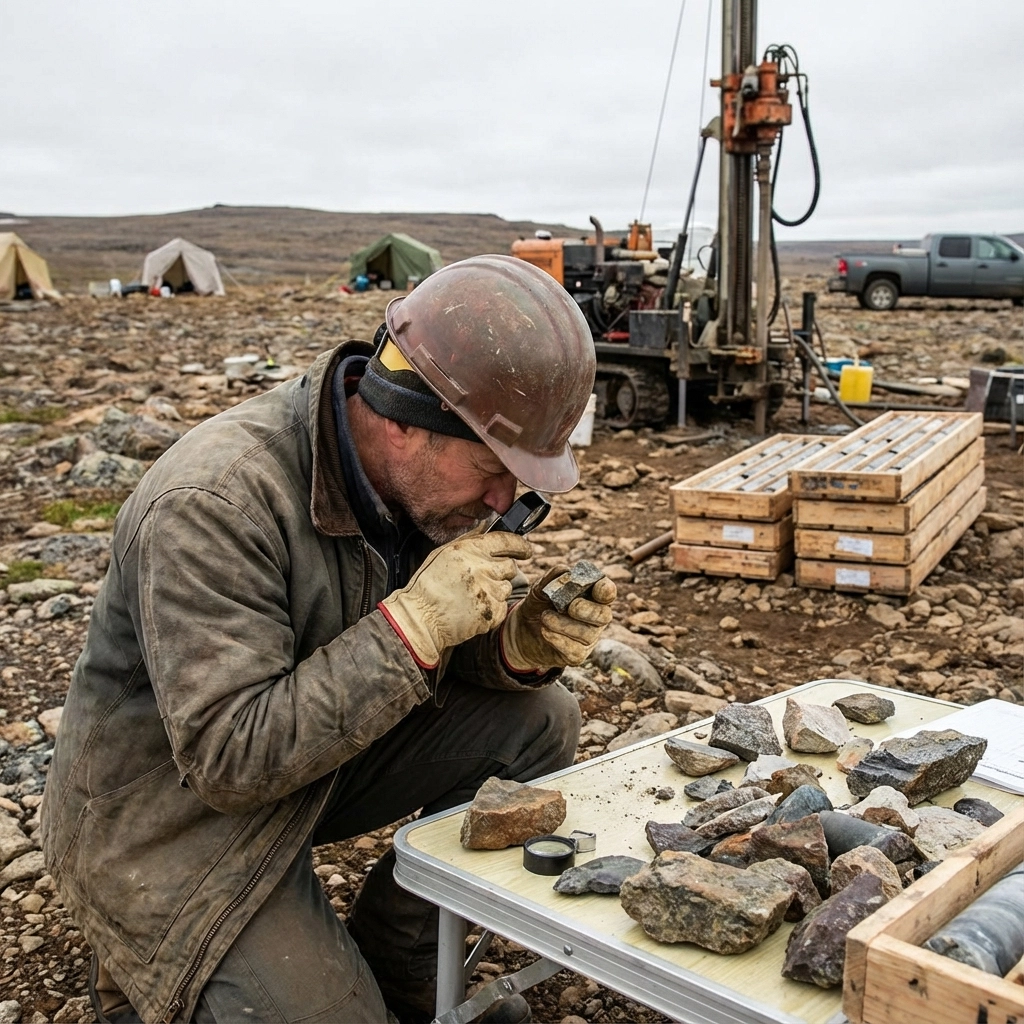
But here’s the catch – copper exploration is expensive. You need deeper drilling, more extensive geophysics, and longer development timelines. That means higher upfront costs but potentially bigger payoffs if you hit something significant.
Lithium juniors are in this weird middle ground where everyone knows the long-term demand story is solid, but the short-term price volatility makes investors nervous. If you’re looking at lithium exploration opportunities, focus on companies that have clear technological advantages or access to high-grade, low-cost deposits.
Gold juniors? They’re still out there, still drilling holes, still hoping for the next big discovery. The money isn’t flowing quite as freely as it does for copper plays, but there’s something to be said for working in a sector where people understand the fundamentals without needing a PhD in battery chemistry.
Making the Call for 2026
So which sector pays best in 2026, and what really is the best metal to mine for money? Copper wins on pure salary potential, especially if you’re willing to work on larger-scale operations or have specialized technical skills.
Lithium is the wild card – potentially huge upside if you pick the right company and technology, but also the highest risk of ending up with worthless equity compensation. The salary floor is decent, but the ceiling depends entirely on execution.
Gold offers the most predictable career path with steady, if unspectacular, compensation growth. If you value job security over maximum earning potential, gold mining provides that stability.

The bottom line? If you’re just starting out and want to maximize your earning potential, get some copper experience under your belt. If you’re feeling lucky and don’t mind some risk, lithium could pay off big. And if you want to sleep well at night knowing your job will still exist in five years, gold is your friend.
Just remember – in mining, location matters almost as much as the metal you’re digging up. A copper project in Chile pays differently than one in Montana, and a lithium brine operation in Argentina comes with different lifestyle trade-offs than a hard rock operation in North Carolina.
Whatever you choose, make sure you’re getting paid what you’re worth. The mining industry is notorious for underpaying technical talent, but 2026 is shaping up to be one of those years where companies actually have to compete for good people. Don’t leave money on the table just because you’re excited about the geology.