By Salini Krishnan | January 30, 2026

Fresnillo PLC (LSE:FRES), the world’s largest primary silver producer, just threw cold water on what should have been a victory lap. The Mexican miner beat its 2025 production targets, sure. But then it turned around on January 28 and slashed its 2026 guidance for both silver and gold, blaming the usual culprits: lower ore grades, mine sequencing headaches, and a pivot to narrower veins that nobody’s particularly thrilled about.
The numbers tell the story plainly enough. Silver production guidance dropped to 42–46.5 million ounces from the previous 45–51 million ounces: a roughly 9% haircut. Gold fared slightly better, with guidance trimmed to 500,000–550,000 ounces from 515,000–565,000 ounces, representing a 4–5% reduction. Neither figure is catastrophic, but neither inspires confidence when you’re trying to convince investors that the best days aren’t behind you.
The Fourth Quarter Stumble
The downward revision didn’t come out of nowhere. Fourth-quarter production figures already hinted at trouble brewing beneath the surface, literally.
Silver output clocked in at 12.16 million ounces, missing the 12.64 million ounce consensus estimate by 4%. Gold production of 135,000 ounces came up 2% short of the 138,000 ounce analyst expectation. Not disastrous misses by any stretch, but enough to set the tone for what management had to say next.
More Read

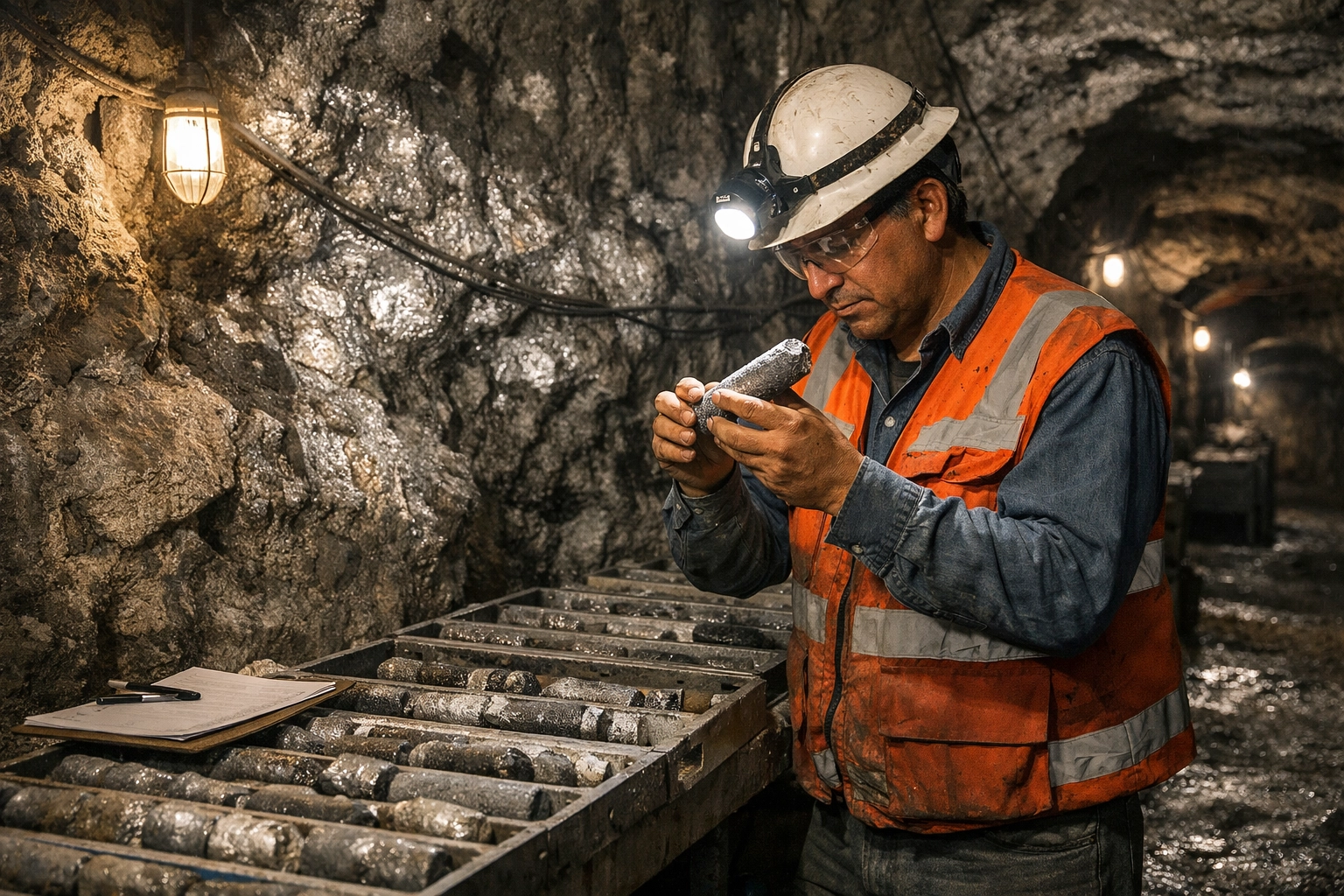

The company’s executives didn’t sugarcoat the situation. Operational phasing issues, grade deterioration at key assets, and the inevitable shift toward less productive ore bodies all contributed to the guidance cut. This is the reality of mature mining operations: you work through the easy stuff first, and what’s left requires more effort for less metal.
Mine-by-Mine Breakdown: Where the Problems Live
Fresnillo’s production challenges aren’t evenly distributed. Each of the company’s major operations faces its own specific set of headaches, and understanding them requires getting into the weeds.
More Read

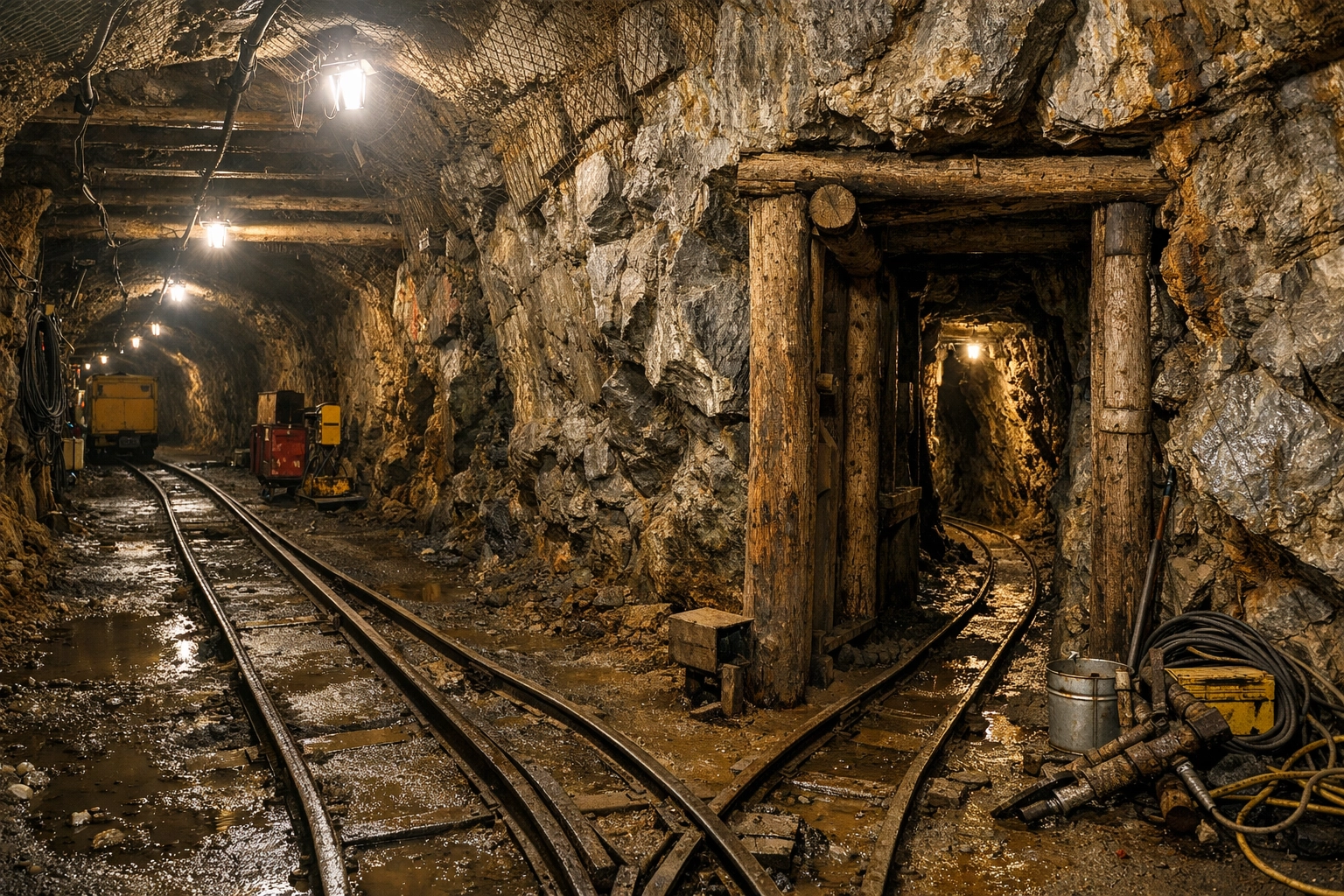
The Fresnillo Mine: the flagship operation that shares its name with the parent company: has transitioned to mining narrower veins. That’s a polite way of saying the fat, easy-to-extract ore bodies are running thin. Narrower veins mean lower throughput, reduced ore grades, and more complicated extraction logistics. The mine isn’t dying, but it’s definitely entering a more difficult phase of its life.
Ciénega presents a different challenge. Silver grades and recovery rates have declined as the operation pivots toward narrower gold-rich zones. It’s a strategic shift: gold prices remain historically elevated: but it comes at the cost of the silver volumes that Fresnillo built its reputation on.
Saucito got caught by a delayed shaft connection that crimped volumes. These kinds of infrastructure setbacks happen in mining, but they happen at the worst possible times when you’re already dealing with grade issues elsewhere in the portfolio.
Herradura, the company’s primary gold operation, saw output decline for an almost ironic reason: production got pulled forward into 2025. That helped the company beat last year’s targets, but it borrowed from 2026’s potential. Robbing Peter to pay Paul, as they say.
Morgan Stanley’s Blunt Assessment
The analysts aren’t mincing words either.
Morgan Stanley’s mining team noted that Fresnillo faces “5–9% downside risk to consensus volume estimates in 2026.” Their characterization of the results cuts to the bone: the figures underscore “the challenging nature of Fresnillo’s mines and the near-term deterioration in grades.”
The brokerage maintained its “underweight” rating on LSE:FRES with a price target of 2,210 pence. That’s analyst-speak for “we’re not buying what they’re selling right now.”
“The challenging nature of Fresnillo’s mines and the near-term deterioration in grades” present ongoing headwinds for investors expecting a quick turnaround.
This assessment matters because Morgan Stanley’s mining coverage carries weight in London markets. When they express skepticism, institutional money listens. And right now, they’re expressing plenty of it.
The 2027 Recovery Thesis
Here’s where the story gets interesting: and where bulls might find something to hang their hats on.
Fresnillo left its 2027 guidance completely unchanged. The company still expects silver production to recover to 45–51 million ounces and gold output to reach 535,000–595,000 ounces. That represents meaningful upside from the 2026 trough, assuming management can execute on its operational plans.
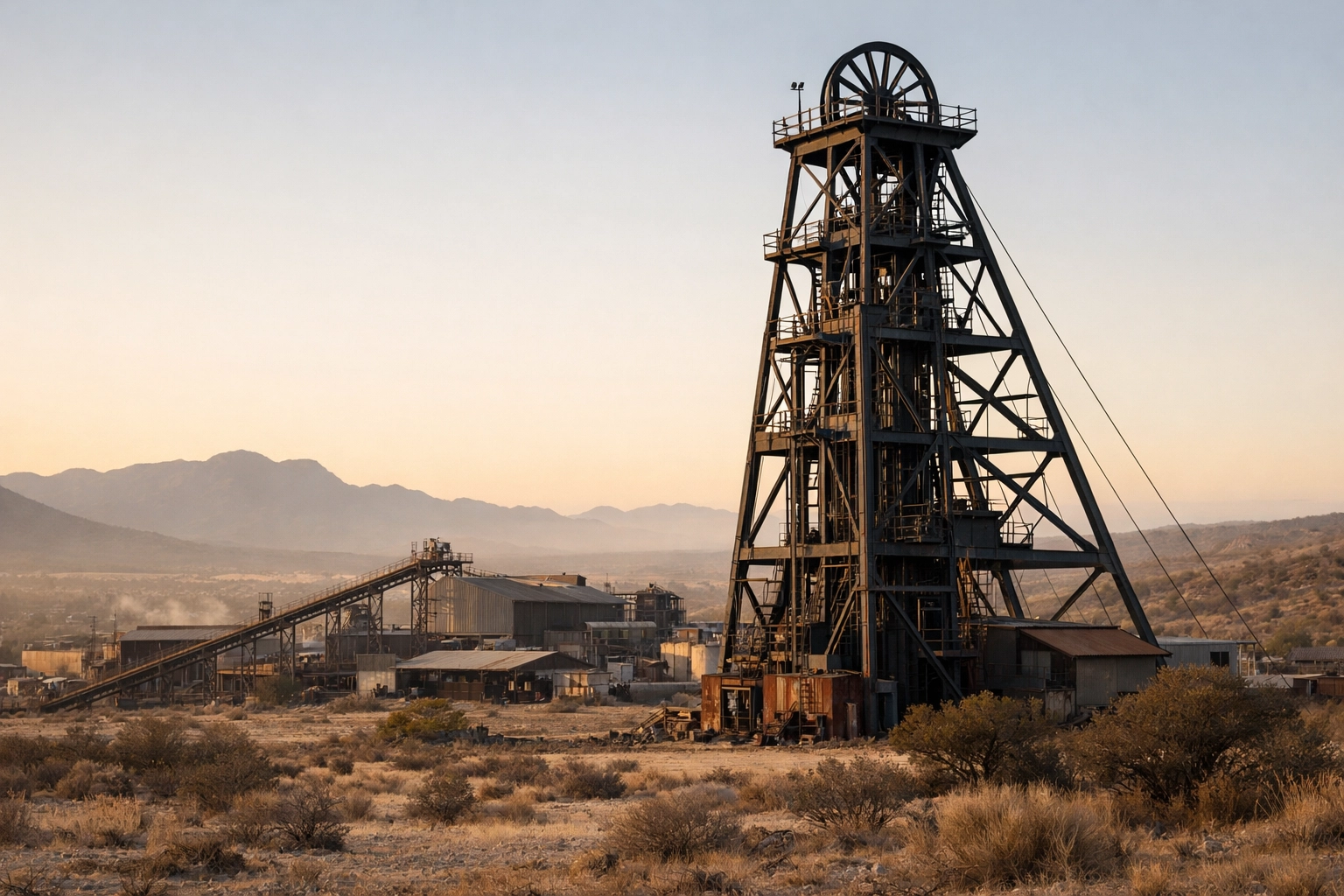
The recovery isn’t based on wishful thinking. Fresnillo points to several concrete developments:
Access to higher-grade areas at the flagship Fresnillo mine should become available as mine sequencing progresses. The lower-grade material causing current headaches isn’t the end of the story: better ore exists deeper in the deposit.
Grade improvements at Saucito following the completion of shaft deepening will boost volumes and metal content. The delayed shaft connection that’s hurting 2026 will eventually deliver the access it was designed to provide.
The start-up of the Valles brownfield project at Herradura adds new production capacity without the capital intensity and execution risk of a greenfield development. Brownfield expansions generally carry lower technical risk, making this a relatively de-risked source of additional ounces.
What This Means for Silver Markets
Fresnillo’s production trajectory matters beyond its own share price. As the world’s largest primary silver producer, the company’s output trends influence global supply dynamics.
The 9% reduction in 2026 silver guidance translates to roughly 3–4.5 million fewer ounces hitting the market compared to previous expectations. That’s not enough to single-handedly move prices, but it contributes to broader supply tightness at a time when silver demand remains robust.
Industrial applications continue driving silver consumption higher. Solar panel manufacturing, electronics, and emerging green technology applications all require the metal. If Fresnillo and other major producers continue struggling with grade deterioration and operational challenges, supply constraints could support prices even without increased investor demand.
The company’s challenges also illustrate a broader industry theme: mature silver deposits are getting harder to work. The easy ounces got mined years ago. What remains requires more sophisticated extraction, lower throughput rates, and acceptance of declining grades. This reality affects not just Fresnillo but silver mining globally.
The Bottom Line for Investors
Fresnillo finds itself in an uncomfortable position. Management deserves credit for beating 2025 targets: that’s no small achievement in a year filled with operational complexity. But the 2026 guidance cut undermines the positive narrative they hoped to establish.
The stock’s performance will likely depend on whether investors trust the 2027 recovery story. If the Fresnillo mine’s higher-grade zones materialize as promised, if Saucito’s shaft deepening delivers the expected volumes, and if Valles comes online smoothly, the current weakness could represent a buying opportunity.
That’s a lot of “ifs” for a company already dealing with execution challenges.
Morgan Stanley’s underweight rating reflects legitimate skepticism. Fresnillo has to prove it can navigate the transition from easy ore to difficult ore without further guidance cuts. The next several quarters will determine whether 2026 represents a temporary setback or the beginning of a longer decline.
For now, the Mexican miner remains a show-me story. The targets are set. The recovery thesis exists. But after this week’s guidance revision, investors are right to demand evidence before betting on the turnaround.
Related coverage: For more on critical mineral policy developments affecting precious metals producers, see our analysis of the White House’s critical minerals initiative.