The lithium market in 2026 has entered a critical period of stabilization. After the dramatic price collapse of 2023 and the subsequent "grinding bottom" of 2024 and 2025, the industry is finally witnessing the early stages of a structural recovery. While the rapid, "V-shaped" rebounds of the past remain elusive, the current market is defining a clear L-shape recovery: a prolonged period of base-building that is weeding out high-cost producers and setting the stage for a more mature, consolidated industry.

For operators and investors, the 2026 landscape is less about the frenzied speculation of 2022 and more about operational efficiency, strategic offtake agreements, and navigating a supply-demand balance that is tighter than many analysts originally predicted.
The Anatomy of the 2026 Bottom
The term "L-shape recovery" accurately describes the price trajectory of lithium carbonate and hydroxide over the last 36 months. Following the peak in late 2022, prices fell sharply (the vertical bar of the "L") and then leveled off into a horizontal plateau. In early 2026, we are seeing the right-hand tail of that plateau begin to curve upward, but it remains far below the historic highs.
This "bottoming out" was driven by two main factors: a massive de-stocking cycle across the electric vehicle (EV) supply chain and the delayed entry of high-cost lepidolite and swing supply from China and Africa. By mid-2026, the de-stocking phase has largely concluded. Battery manufacturers are once again buying to match production needs rather than drawing down existing inventories.
According to recent market data, global lithium demand is projected to grow by approximately 15–18% in 2026. While EV adoption rates in some Western markets have moderated, the sheer scale of the Chinese market and the rapid expansion of stationary energy storage systems (ESS) are providing a firm floor for demand.
More Read



Supply-Demand Dynamics: From Surplus to Structural Tightness
The consensus among commodity analysts for 2026 has shifted. The significant surplus that characterized 2024 has narrowed considerably. Some benchmarks, such as those provided by Argus Media and Fastmarkets, suggest the market could flip into a deficit of 20,000 to 80,000 tonnes by the end of the year.
The reason for this tightening is twofold:
More Read

- Project Delays: Low prices in 2024 and 2025 led many junior miners to pause development or delay the commissioning of new projects. This "investment gap" is now manifesting as a lack of new supply entering the market in 2026.
- The Marginal Cost Floor: Many high-cost projects, particularly in Chinese lepidolite mining, have proved uneconomical at current price levels. This has removed a significant amount of "swing supply" from the market, preventing prices from falling back to the 2024 troughs.
For a deeper dive into the specific catalysts driving this shift, see our detailed lithium price forecast 2026, which breaks down the bull and bear cases for the coming quarters.
Market Consolidation: The Great Shakeout
One of the defining characteristics of the 2026 battery metal market is consolidation. The "L-shape" bottom has acted as a stress test for the industry. Companies with weak balance sheets or high-cost operations have become acquisition targets for major producers and downstream players.
We are seeing a trend of vertical integration where Original Equipment Manufacturers (OEMs) and battery makers are no longer just signing offtake agreements; they are taking direct equity stakes in mining projects to secure long-term supply. This de-risking strategy is essential for automakers who need to guarantee their 2030 production targets.
Key Consolidation Trends in 2026:
- Major Producers Scaling Up: Established giants like Albemarle and SQM are leveraging their cash reserves to acquire late-stage exploration assets at a discount compared to 2022 valuations.
- The Rise of DLE: Direct Lithium Extraction (DLE) technology has moved from the pilot phase to commercial reality in 2026. Companies that have successfully implemented DLE are becoming prime targets for M&A as they offer a faster, more sustainable route to production.
- Regional Hubs: Consolidation is also occurring geographically. There is a renewed focus on "safe" jurisdictions, with significant investment flowing into the Canadian and Australian lithium corridors to counter China's mid-stream dominance.

2026 Price Forecast: Base, Bull, and Bear Cases
Navigating the remainder of 2026 requires an understanding of the potential price paths for lithium carbonate. While we do not provide explicit investment signals, the following scenarios represent the current market consensus:
Base Case: Mid-Cycle Stability
Prices remain above the 2024 lows, settling into a range that allows Tier 1 producers to remain profitable while keeping marginal, high-cost supply offline. Volatility remains, but the extreme swings of the early 2020s have subsided. This scenario assumes a steady 15% growth in EV demand and no major geopolitical shocks.
Bull Case: The Deficit Trigger
If project commissioning delays persist and energy storage demand exceeds forecasts, the market could enter a clear deficit by Q4 2026. In this scenario, prices could see a significant upward breakout as OEMs scramble to secure remaining spot volumes. This would likely trigger a new wave of exploration funding.
Bear Case: Macro Headwinds
A broader global economic slowdown or a significant shift in battery chemistry (e.g., a faster-than-expected move toward sodium-ion for low-end vehicles) could dampen lithium demand. In this case, the "L-shape" recovery would extend further, keeping prices near the cost of production for another 12–18 months.
For investors monitoring the broader critical minerals sector, it is worth comparing the lithium recovery to the copper deficit trends of 2026, which face similar supply-side constraints but different demand drivers.
Operational Excellence as the New Benchmark
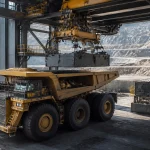
In the current market, the focus has shifted from "lithium at any cost" to "lithium at a sustainable cost." Mining operators in 2026 are prioritizing technological integration to drive down OPEX. This includes the use of autonomous haulage systems, advanced telemetry for fleet management, and AI-driven processing optimizations.

As the market matures, the differentiation between "green lithium" (produced with low carbon intensity) and standard product is becoming more pronounced. European and North American regulations are increasingly demanding transparency in the battery supply chain, making ESG performance a key factor in project valuation and offtake attractiveness.
Conclusion: Looking Beyond the Bottom
The 2026 lithium market is a far cry from the chaotic environment of three years ago. The L-shape recovery has matured the sector, forcing a focus on fundamentals that was previously lacking. While the "bottom" has been a painful period for many, it has also created a more resilient and professional industry.
As we move toward 2027, the primary question is not if demand will return, but whether the supply pipeline: honed and consolidated during this downturn: can scale fast enough to meet the next wave of the energy transition. For those who have successfully navigated the 2026 bottom, the long-term outlook for battery metals remains fundamentally strong.
Stay informed on the latest market shifts and operational developments by following our 2026 global mining outlook for daily updates and expert analysis.