ACG Metals plans to use Keşkek oxide ore to extend the operating life of its Gediktepe heap-leach facility.

ACG Metals has agreed to acquire the Keşkek gold project licence in Türkiye for total cash consideration of up to US$7.85 million, securing a nearby source of oxide ore intended to extend gold production at its Gediktepe mine.
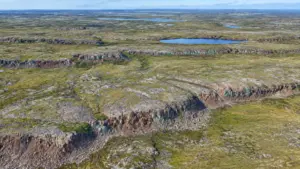
The binding agreement covers 100% of mining licence 60926 and all associated rights. ACG said the licence covers 666 hectares and is located approximately 70 kilometres from Gediktepe, allowing the company to use existing mining, haulage and processing infrastructure rather than develop a standalone gold operation.
The acquisition comes as ACG transitions Gediktepe from a primarily gold and silver operation toward copper and zinc concentrate production. The company produced its first copper concentrate at the mine on Aug. 31, marking the start of the sulphide expansion’s ramp-up phase.
Deal terms and licence structure
ACG will pay US$4 million after signing the definitive agreement and receiving approval to transfer the licence from Türkiye’s General Directorate of Mining and Petroleum Affairs. The approval is expected to conclude in October, according to the company.
A further US$3.85 million is linked to the Environmental Impact Assessment permitting process, which ACG expects to complete by mid-2027. The staged structure means the full consideration is tied partly to regulatory and development milestones.

| Item | Detail |
|---|---|
| Licence | Mining licence 60926 |
| Project | Keşkek gold project |
| Licence area | 666 hectares |
| Initial payment | US$4 million |
| Deferred payment | US$3.85 million |
| Maximum cash consideration | US$7.85 million |
| Seller royalty | 1% gross revenue on gold mined from the licence area |
| Additional discovery payment | US$60 per ounce for gold converted to reserves outside the defined pit |
| Targeted production start | Mid-2027, subject to permitting |
| Estimated 10-year project expenditure | Approximately US$15 million |
Meta Nikel Kobalt Madencilik, the seller, will also receive a 1% gross revenue royalty on gold produced from the licence area. ACG has agreed to pay an additional US$60 per ounce for gold discovered outside the defined Keşkek pit and converted into ore reserves.
The company estimates total expenditure on acquisition, phased exploration and closure at approximately US$15 million over 10 years.
Keşkek is designed as satellite feed for Gediktepe
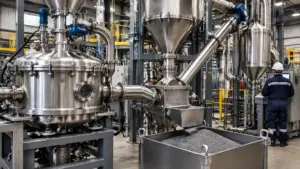
The immediate operating rationale is to supply oxide ore to Gediktepe’s existing heap-leach facility.
ACG said the initial feed will come from a pit defined by META and reviewed by ACG’s technical team. The pit contains approximately 300,000 tonnes of oxide material grading 0.90 grams per tonne gold, with an estimated waste-to-ore strip ratio of 1:1.
Metallurgical testing by ACG produced column-leach recoveries of between 75% and 80%. Recovery increased to approximately 85% when the ore was tested using Gediktepe’s existing proprietary recovery process.
The company expects higher-grade ore to be processed through the heap-leach facility, while lower-grade material could be stockpiled for later treatment through ACG’s Enriched Ore plant.

The Keşkek strategy is based on using Gediktepe’s existing gold-processing infrastructure.
The project also benefits from existing transport links. ACG said ore can be moved to Gediktepe using paved and gravel roads, while its mining contractor, Uluova, is already established at the META site. Keşkek’s location along the company’s existing concentrate offtake route could provide additional transport efficiencies.
ACG expects mining and gold production to begin in mid-2027, once residual leaching of material currently on the Gediktepe heap is complete and the necessary permits are secured.
Production from Keşkek is expected to extend the operating life of Gediktepe’s gold circuit by several years.
Resource and exploration potential
ACG’s technical team estimates that the Keşkek licence contains an indicated mineral resource of 1.5 million tonnes grading 0.65 grams per tonne gold. The defined pit forms part of that estimate.
The company and its technical adviser, Ridge Minerals, have also identified exploration potential for an additional 5 million to 10 million tonnes of mineralisation grading between 0.7 grams and 1.0 gram per tonne gold.
ACG cautioned that the exploration target remains subject to further drilling and that there is no certainty it will be converted into a mineral resource or reserve.
The existing Gediktepe facility is expected to have enough capacity to process additional oxide ore if further drilling results in new reserves. That capacity is central to the acquisition rationale because incremental material could be processed through infrastructure that is already operating or under development.
The structure reflects a broader pattern in mining transactions: buyers are increasingly targeting nearby deposits that can improve utilisation of existing plants, roads and operating teams. Skillings has previously examined this trend in its analysis of mining M&A deals and district consolidation.
Gediktepe’s transition to copper and zinc
Gediktepe currently produces gold and silver from oxide ore. ACG acquired the mine in 2024 and has since advanced a sulphide expansion designed to add copper and zinc concentrates to the production profile.
According to ACG’s Gediktepe mine overview, the operation is expected to transition from gold doré toward copper and zinc concentrate production. Gold and silver will remain by-products of the sulphide operation.
The company reported its first copper concentrate production on Aug. 31. In its production announcement, ACG said the project had moved from commissioning into ramp-up, with full production targeted by the end of 2026.

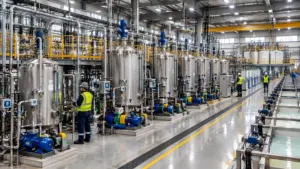
Gediktepe is ramping up a sulphide expansion to produce copper and zinc concentrates.
Keşkek is intended to support that transition by keeping the gold circuit supplied while Gediktepe’s sulphide ores are processed through the new flotation plant.
ACG Chairman and Chief Executive Officer Artem Volynets said the acquisition would allow the company to continue primary gold production while producing copper and zinc concentrates from Gediktepe’s sulphide ores.
The operating model would therefore combine two streams at the same district: oxide material from Keşkek feeding the heap-leach circuit, and sulphide material from Gediktepe feeding the flotation plant.
That arrangement could reduce the risk of an abrupt change in the mine’s revenue mix as its own oxide resources are depleted. It also allows ACG to retain gold production without building a separate processing facility near Keşkek.
Permitting remains the next milestone
The transaction remains subject to regulatory steps, including approval of the licence transfer and completion of the Environmental Impact Assessment process.
The first US$4 million payment is linked to approval from the General Directorate of Mining and Petroleum Affairs. The remaining US$3.85 million is tied to the environmental permitting process and the expected start of production in mid-2027.
The permitting timeline will determine whether Keşkek can begin supplying Gediktepe as planned. Further work will also be required to confirm the mine plan, update geological data and convert exploration potential into mineable reserves.
ACG’s announcement does not provide a production forecast for Keşkek or an estimate of expected annual gold output. The project’s near-term contribution will depend on the amount of oxide ore that can be mined, transported and processed economically, as well as recovery performance at the Gediktepe facility.

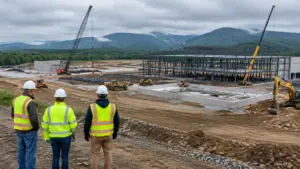
The transaction links a satellite oxide deposit with Gediktepe’s established operating platform.
The deal also gives META continued exposure to the project through the gross revenue royalty and the additional-ounce payment. Those obligations will need to be considered alongside mining, transport, processing and closure costs as ACG advances the project.
For ACG, the acquisition adds a relatively small licence to a much larger operating transition. Its significance lies less in the standalone size of Keşkek than in the potential to extend existing gold infrastructure while Gediktepe moves toward copper and zinc concentrate production.
The company’s next reported milestones are expected to include completion of the licence transfer, progress on environmental permitting and further definition of Keşkek’s oxide resources. Progress at Gediktepe’s sulphide flotation plant will also determine how the two production streams develop alongside one another.
Sources: ACG Metals acquisition announcement; ACG Metals Gediktepe mine; ACG Metals first copper concentrate announcement.