By Charles Pitts
As we move into mid-2026, the global mining landscape is witnessing a profound shift in how “alpha” is generated. For the past decade, the industry’s narrative was dominated by supply-side crunches and the sheer volume of the energy transition. Today, however, the differentiator for elite operators is no longer just what is in the ground, but how efficiently it is extracted.
All-In Sustaining Costs (AISC) have become the primary battleground for copper and gold miners alike. While commodity prices remain structurally supported by the twin pillars of electrification and geopolitical hedging, the internal struggle against sticky inflation, deeper pits, and mandatory ESG compliance is redefining the winners of this cycle. In 2026, cost control is not just a defensive measure; it is the most potent offensive strategy in a miner’s arsenal.
The 2026 AISC Landscape: A Divergent Reality
The global average AISC for gold is projected to decline by approximately 5% in 2026, reaching a median of roughly US$1,550/oz. On the surface, this suggests an easing of the inflationary pressures that plagued the sector in the early 2020s. However, this headline figure masks a significant divergence between Tier-1 assets and marginal operations.
More Read
Major producers, such as Agnico Eagle, are leveraging portfolio high-grading: closing high-cost, low-yield sites and focusing on core assets: to bring their AISC closer to the US$1,400/oz mark. In contrast, regional challenges remain acute. In Australia, for instance, labor scarcity and haulage costs have pushed guidance for some mid-tier miners as high as A$2,900/oz.

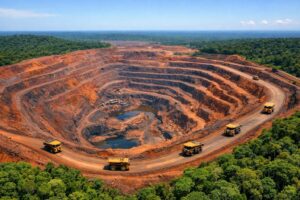
For copper miners, the story is more complex. The copper price forecast for 2026 remains bullish, driven by data center infrastructure and the continued build-out of EV charging networks. Yet, the physical reality of copper mining: declining ore grades and the need for deeper underground extraction: continues to exert upward pressure on unit costs.

More Read
Technology as the Primary Lever for Margin Protection
To combat the “sticky” nature of wage inflation and energy tariffs, 2026 has seen a massive acceleration in the deployment of autonomous technology and digital twins.
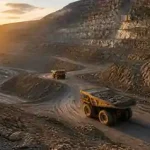
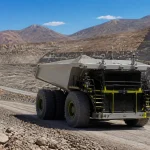
Automation is no longer a luxury reserved for the industry’s giants. Remote operations centers and autonomous haulage fleets (AHS) have become essential for maintaining 24/7 productivity while minimizing the safety risks associated with deeper pits. By reducing fuel consumption through optimized haulage routes and lowering maintenance costs via predictive analytics, operators are successfully shaving 10-15% off their traditional operational expenditure.
Furthermore, the integration of 3D mine mapping and AI-driven exploration is shortening the time between discovery and production. This “digital alpha” allows companies to optimize their stripping ratios and ore blending in real-time, directly impacting the sustaining capex component of AISC.
The Role of Copper and By-Product Credits
One of the most significant factors stabilizing gold AISC in 2026 is the strength of by-product credits. As critical minerals and base metals like copper and silver trade at premium levels, polymetallic miners are reaping the rewards.
For many gold producers, copper isn’t just a side project; it is a cost-offsetting machine. High copper prices allow these miners to report significantly lower “net” AISC, making their gold production appear more competitive on a global cost curve. This synergy is a key reason why major gold players are increasingly diversifying into copper-gold porphyry deposits across South America and Central Asia.
| Metric (Global Average) | 2024 Actual | 2026 Projected | Change (%) |
|---|---|---|---|
| Gold AISC (US$/oz) | $1,630 | $1,550 | -4.9% |
| Gold Price (US$/oz) | $2,350 | $3,100 | +31.9% |
| Average AISC Margin (%) | 30.6% | 50.0% | +63.4% |
| Copper By-Product Credit (US$/oz Au) | $120 | $185 | +54.1% |
| Median Labor Cost Inflation (%) | 7.5% | 3.8% | -49.3% |
Data Source: S&P Global Mine Cost Outlook & Skillings Intelligence Unit Estimates.
ESG Reporting: From Voluntary to Mandatory Cost Center
The 2026 reporting cycle marks the first full year of mandatory compliance with the ISSB (International Sustainability Standards Board) and the EU’s CSRD (Corporate Sustainability Reporting Directive) for many global miners. Mining ESG reporting trends have shifted from glossy marketing brochures to rigorous, auditable financial data.
This transition has a direct impact on AISC. “Sustaining” now includes the continuous cost of decarbonization: electrifying fleets, upgrading tailings storage facilities (TSF) to meet GISTM standards, and investing in water desalination plants. While these are often viewed as capital expenditures, the ongoing operational costs of monitoring and compliance are now permanent fixtures in the cost profile of a modern mine.
Operators who proactively integrated these ESG standards early are now seeing a “sustainability premium” in their cost of capital, whereas those lagging behind face higher insurance premiums and stricter lending terms, further bloating their AISC.

Operational Complexity and the “Deep Mine” Challenge
As the industry’s focus shifts to more complex deposits, the technical challenges of deep-level mining are becoming more apparent. Projects like Buenaventura’s San Gabriel are highlighting how innovation in mine life extension can sustain production, but at the cost of increased complexity.
Deep mines require more ventilation, more energy for refrigeration, and longer haulage cycles. In 2026, the cost of “moving air and water” has become a top-tier line item in many underground operations. To counter this, miners are turning to ventilation-on-demand (VoD) systems and battery-electric vehicles (BEVs) to reduce heat and particulate matter, thereby lowering the massive energy load required for traditional underground cooling.
Strategic Implications for Investors and Operators
For investors, the 2026 data suggests that “low AISC” is the new high-growth signal. In an era where commodity prices are already elevated, the most significant upside remains with those companies that can defend their margins against rising operational complexity.
The strategy for 2026 is clear:
- Aggressive Portfolio Pruning: Exiting high-cost jurisdictions and aging assets that cannot be automated.
- By-Product Maximization: Prioritizing deposits with high silver or copper credits to hedge against gold price volatility.
- Digital First Operations: Moving beyond pilot programs to full-scale autonomous integration.

Looking Ahead: The Cost Curve of the Energy Transition
The “New Alpha” of 2026 is defined by resilience. As the industry faces the dual pressure of delivering the minerals for the energy transition while adhering to unprecedented ESG transparency, the miners who thrive will be those who treat cost control as a technological challenge rather than an accounting exercise.
With gold margins reaching record highs and copper demand showing no signs of slowing, the financial rewards for efficient operators have never been greater. However, the window for traditional, high-cost mining is closing. In the 2026 landscape, the lowest cost on the curve is the highest indicator of long-term survival.