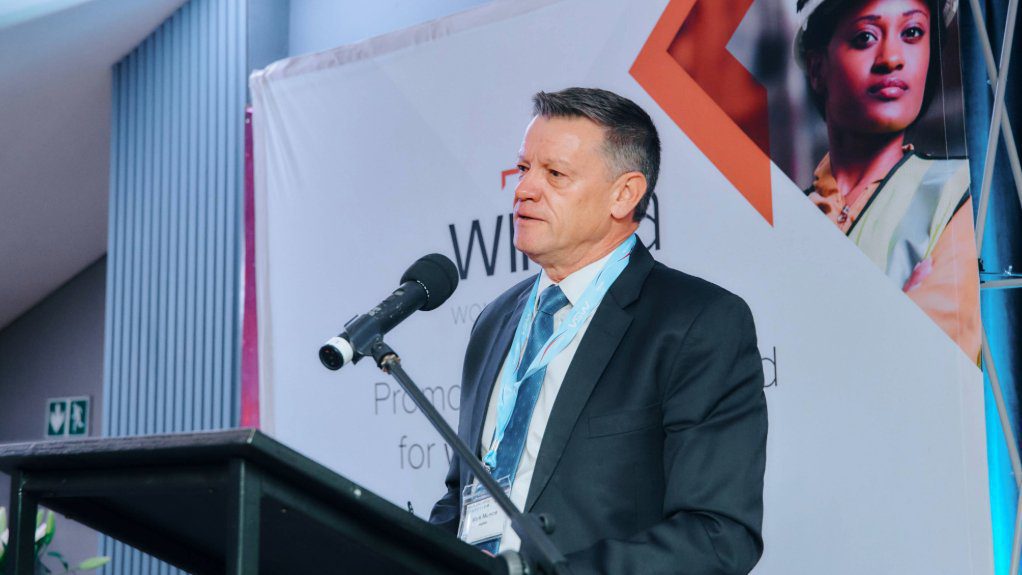

JOHANNESBURG — In the ever-evolving landscape of South Africa’s mining industry, the push for gender equality has gained a prominent advocate in Mark Munroe, Chief Technology Officer at Impala Platinum (Implats). Opening the second day of the inaugural Women in Mining South Africa (Wimsa) Symposium, Munroe delivered a compelling call to action for the industry to embrace transformation at a granular level, highlighting the urgent need to dismantle longstanding barriers that have hindered women’s advancement in mining.
Breaking the Chains of the Past
Munroe’s address underscored the deep-rooted disparities that persist in the mining sector, where women continue to be underrepresented in top management and skilled technical roles. He emphasized that while legal barriers preventing women from working underground were lifted in South Africa as recently as 1991, the legacy of those restrictions still casts a long shadow over the industry. “The laws may have changed, but the cultural stereotypes and biases that they left behind continue to limit opportunities for women,” Munroe remarked.
This historical context is crucial in understanding the challenges that women in mining face today. Munroe’s insistence on not just gender-neutral policies but actively inclusive ones reflects a broader recognition that systemic change is necessary to create a level playing field. Such policies, he argued, must go beyond the surface to address the structural inequities that have long been baked into the industry’s fabric.
The Role of Technology in Empowerment
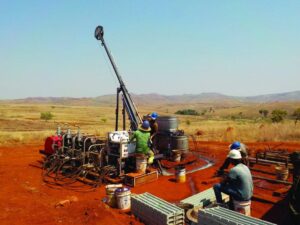
Advancements in mining technology have played a significant role in reducing the physical challenges traditionally associated with the industry, making it more accessible to a broader range of workers, including women. Munroe highlighted the introduction of lightweight and ergonomic hydropower drilling equipment as a game-changer, reducing physical strain on workers and enhancing safety across the board.
Moreover, the increasing adoption of automation and robotics has further diminished the physical demands of mining, opening doors for women who might have been excluded in the past. “Technology has made mining safer and more productive, and it has also made it more inclusive,” Munroe noted. “These innovations are key to breaking down the barriers that have kept women from fully participating in the industry.”

You might be Interested In
- Breaking the Mold: Achieving Gender Equality in the Mining Industry
- Breaking barriers in Tanzania’s mining industry
- Moving Beyond Gender to Achieve Success
- IMARC 2024: Global leaders unite to shape the future of mining
The Need for Inclusive Policies
Despite these technological advancements, many mining companies still lack the policies and practices necessary to support women’s career progression. Munroe pointed out that flexible work arrangements, tailored personal protective equipment (PPE), and skills development opportunities remain inaccessible to many women due to systemic biases.
He urged the industry to adopt policies that not only accommodate but actively promote women’s advancement, drawing a parallel to the societal shifts during World War II when women in the U.S. entered the workforce en masse, driving economic growth and transformation. “The goal is to create a more inclusive industry that unlocks the full potential of the workforce and drives innovation and growth,” Munroe stated.
Success Stories and the Path Forward
Munroe shared examples from Implats’ own efforts to support women in mining, including bursaries, sponsorships, and mining cadetships specifically aimed at women. He pointed to the success of Shaft 16 mine manager Nonku Mabuza, who has become the most productive manager across Implats’ Rustenburg operations, as a testament to what women can achieve when given the opportunity.
He also highlighted the leadership qualities women bring to the table, such as empathy and a heightened awareness of safety and risk management, which can enhance organizational performance and decision-making. “Deploying more women in mining environments can enhance the company’s reputation and inclusivity, which can motivate teams and achieve goals more effectively,” Munroe explained. “Women demonstrate strong adaptability in challenging and dynamic mining environments, which contributes to operational agility and resilience.”
Conclusion: The Business Case for Gender Equality
Munroe concluded his speech with a powerful reminder that gender equality in the workplace is not just a moral imperative but a business one. A transformed, inclusive workplace, he argued, is a more profitable and effective one. As the mining industry continues to evolve, the push for gender equality—championed by leaders like Munroe—will be crucial in shaping a future where the full potential of the workforce is realized.