By Charles Pitts

Ivanhoe Mines has reported a record-breaking second quarter for 2026 at its Kipushi zinc mine in the Democratic Republic of Congo (DRC). The operation produced 70,177 tonnes of zinc in concentrate, representing an 8% increase over the previous quarter and signaling a successful ramp-up toward its steady-state production targets.
The quarterly performance was headlined by a record ore feed grade of 38.7%, a figure that solidifies Kipushi’s status as one of the highest-grade zinc mines in the world. With 200,774 tonnes of ore milled during the period, the operation is now tracking at an annualized production rate of approximately 280,000 tonnes of zinc, positioned comfortably within the upper half of its 2026 guidance of 240,000 to 290,000 tonnes.
Operational Excellence: Grade and Recovery Benchmarks
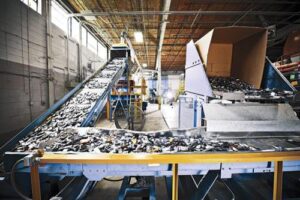
The Q2 results underscore the efficiency of the newly commissioned Kipushi concentrator. Beyond the exceptional feed grade, the facility achieved a recovery rate of 92%, demonstrating high metallurgical performance despite the complexity of the ultra-high-grade Big Zinc orebody.
The 38.7% zinc grade processed in Q2 represents a significant step up from the 36.96% average seen in Q1. In the context of global mining, where average zinc grades typically hover between 5% and 8%, Kipushi is effectively producing five to seven times more metal per tonne of rock moved than its international peers. This “grade advantage” is a fundamental driver of the project’s low-cost profile and high margins.
More Read

| Metric | Q1 2026 | Q2 2026 | Change (%) |
|---|---|---|---|
| Zinc in Concentrate (t) | 65,044 | 70,177 | +7.9% |
| Ore Milled (t) | 196,774 | 200,774 | +2.0% |
| Avg. Feed Grade (Zn %) | 36.96% | 38.70% | +4.7% |
| Recovery Rate (%) | 90% | 92% | +2.2% |
| Annualized Rate (t) | 260,176 | 280,708 | +7.9% |
Why Kipushi’s Grade Matters for the 2026 Zinc Market
As the global mining industry faces a structural decline in ore grades, Kipushi stands as a logistical and economic outlier. In major mining jurisdictions like the United States and Canada, new development projects often struggle to break the 6% zinc grade threshold. Even legacy high-grade assets, such as Red Dog in Alaska, have seen grades decline from historic highs of 20% to roughly 13% today.

Kipushi’s ability to deliver nearly 40% zinc feed grade drastically reduces the energy intensity and environmental footprint per tonne of refined metal. For Ivanhoe Mines and its partner, the DRC state-owned miner Gécamines, this translates to:
- Lower Unit Costs: Less material needs to be mined, crushed, and milled to produce the same volume of concentrate, protecting the operation against inflationary pressures in labor and energy.
- Logistical Efficiency: Higher-grade concentrate (often exceeding 55% Zn) reduces the volume of material required for export, a critical factor when navigating the logistics corridors of Central Africa.
- Market Resilience: With global zinc prices expected to remain range-bound between US$2,900 and US$3,300 per metric ton in 2026, Kipushi’s low all-in sustaining cost (AISC) ensures profitability even during periods of market surplus.

More Read
Strategic Impact on Ivanhoe Mines’ Financial Profile
The rapid ramp-up of Kipushi completes Ivanhoe Mines’ transition into a diversified, multi-commodity producer. While the company’s Kamoa-Kakula complex remains the primary engine for copper growth, Kipushi provides a significant secondary revenue stream that balances the portfolio.
The record production comes at a time when Ivanhoe is increasingly focused on operational sustainability and electrification. The company’s broader strategy involves integrating low-carbon technologies across its DRC assets, a trend mirrored by recent governmental initiatives like the NRCan BEV trials aimed at reducing the carbon intensity of underground fleets.
For investors, the consistency at Kipushi reinforces Ivanhoe’s reputation for executing large-scale projects on or ahead of schedule. The mine is now a cornerstone of the company’s 2026 critical minerals outlook, providing high-exposure to the galvanizing and energy storage sectors.
Logistics and the Path to Steady State
The remainder of 2026 will focus on optimizing the logistics chain to handle the increased output. Ivanhoe has been working closely with the DRC and Zambian authorities to improve border crossing efficiencies and rail connectivity. The goal is to ensure that the “wall of zinc” coming from Kipushi reaches global smelters with minimal friction.
The mine’s 2026 guidance remains unchanged, but the Q2 performance suggests that if these grades persist, the operation could test the upper boundaries of its nameplate capacity.

Conclusion: A New Benchmark for Zinc Mining
Kipushi is no longer a “redevelopment project”; it is a top-tier global producer. The combination of a 38.7% feed grade and a 92% recovery rate sets a new benchmark for operational efficiency in the zinc sector. As the energy transition drives demand for zinc in solar infrastructure and offshore wind galvanization, Kipushi’s ultra-high-grade supply will remain a vital component of the global supply chain.
For the mining industry, Kipushi serves as a reminder of the DRC’s unparalleled geological potential. While other regions contend with diminishing returns, the Central African Copperbelt: and the historical Kipushi district specifically: continues to deliver grades that were thought to be a thing of the past.