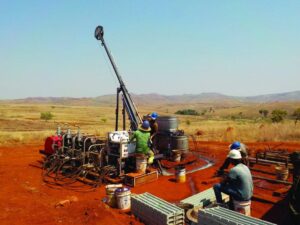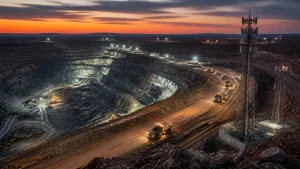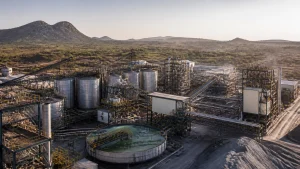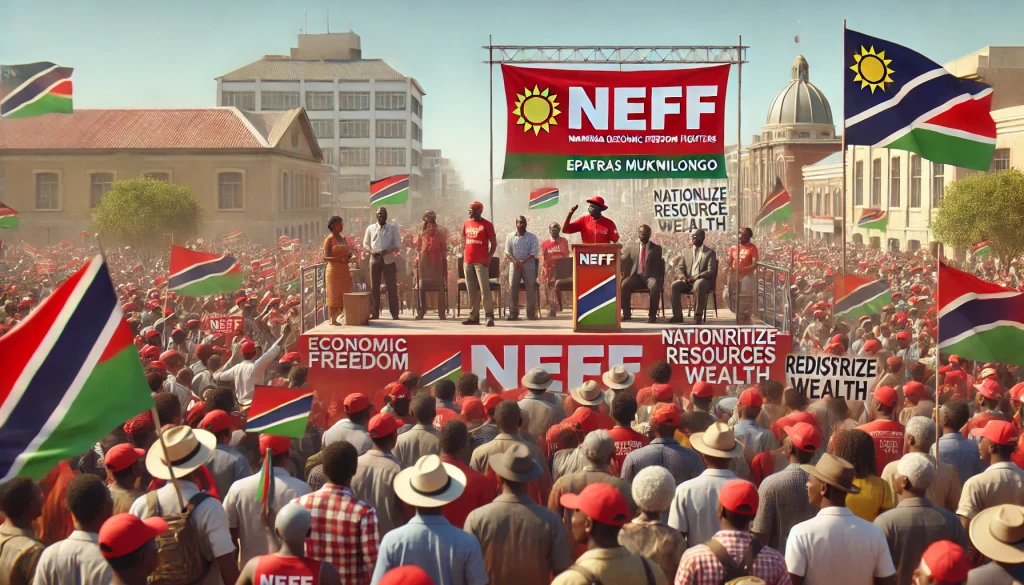
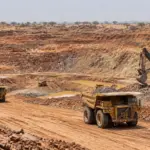
The Namibia Economic Freedom Fighters (NEFF) have launched a bold election manifesto, pledging to nationalize the country’s mining and oil industries to redirect wealth toward essential public services. This platform, titled “Radical Economic Freedom in Our Lifetime,” underscores NEFF’s vision for economic self-reliance and wealth redistribution to benefit Namibians broadly. The party aims to tackle economic inequality and leverage Namibia’s natural resources for national growth by taking control of key sectors and reinvesting profits domestically.

A Vision of Economic Self-Reliance
The NEFF, led by Epafras Mukwiilongo, argues that Namibia’s wealth should serve its citizens rather than foreign interests. By nationalizing the mines and oil resources, Mukwiilongo claims the party will transform these industries to fund public services such as healthcare, education, and infrastructure development. This approach reflects a growing Pan-African sentiment against foreign-controlled industries that often limit local wealth creation and social improvements.
Redistributing Wealth and Land
A central tenet of NEFF’s policy is land reform. Mukwiilongo has pledged to end foreign land ownership, reallocating land to Namibian farmers and supporting them with necessary resources. This policy seeks to address longstanding grievances over land access and foster a self-sustaining agricultural sector by promoting fair land distribution and sustainable practices.
Labor and Employment Initiatives
NEFF also promises labor reforms, including the abolition of labor brokers and the assurance of equal pay. Aiming for full employment by 2030, the party intends to create jobs through industrial diversification and improve workers’ conditions, particularly for marginalized communities. These policies are designed to position NEFF as a pro-labor alternative, distinguishing it from more conservative parties.
Support and Skepticism
While some Namibians support NEFF’s vision of economic independence, critics caution that nationalization could deter foreign investors, impacting revenue and job creation. Additionally, proposals to ban foreign land ownership could strain international relations, potentially affecting tourism and trade.
A Rising Opposition Force
Despite its small parliamentary presence, NEFF has gained popularity, particularly among younger voters and the economically marginalized. With an anti-establishment stance, the party is positioning itself as a champion of those who feel left out of Namibia’s resource wealth.

A Radical Shift or a Campaign Promise?
As Namibia approaches the November elections, NEFF’s platform raises questions about the viability of its policies. For many, the party’s vision represents an opportunity for economic control, though others remain wary of the risks associated with such transformative changes. The election outcome could mark a pivotal moment for Namibia’s economic future, with NEFF’s radical proposals promising to reshape the nation’s socio-economic landscape if realized.