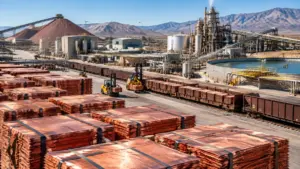
The proposed project is located in South Africa’s Eastern Cape, according to available public reporting.

By Charles Pitts
Villages in South Africa’s Eastern Cape are resisting a proposed heavy mineral sands project by Vendicom Minerals Beneficiation Group, saying the operation could transform communal land, threaten water resources and disrupt livelihoods built around livestock, fishing, farming and access to the coast.
The project is sometimes described in online discussions as being in the Northern Cape, but reporting from Mongabay and Oxpeckers places the proposed Tyolomnqa Heavy Mineral Sands Project in the Eastern Cape, near the Tyolomnqa, Kiwane and Keiskamma estuaries.
Vendicom Minerals Beneficiation Group, a Johannesburg-based company, is seeking approval for an open-cast operation targeting zircon, rutile, ilmenite and leucoxene. These minerals are used in ceramic products, paint pigments and titanium metal, including applications in aircraft, medical equipment and some energy technologies.
More Read

For residents of Phozi, Tyolomnqa, Qaga and nearby communities, the dispute is not only about the minerals beneath the land. They say the targeted area is an active communal landscape that supports more than 1,000 cattle, small-scale farming, traditional medicine gathering, fishing, tourism and access to beaches and estuaries.

Communities say the land is already in use
The proposed project would cover almost 3,000 hectares of communal land across the Tyolomnqa, Keiskamma and Hamburg areas, according to Oxpeckers. The mine is expected to operate continuously for about 30 years, following a construction and infrastructure phase that could last four years.
Residents say those plans overlook the existing economic and cultural role of the land.
More Read

In interviews with Mongabay, Phozi community representatives described cattle grazing across the hills each day. Some families rely on livestock sales to pay for food, healthcare and school costs. Others collect plants used in traditional medicine or depend on fishing in the rivers and along the coast.
“The shape of the land will change and there will be nowhere for our livestock to feed,” community member Primrose Ndongeni told Mongabay.
The community also operates a small sand-mining venture that extracts construction sand from a limited area. Residents told Mongabay that the operation is progressively levelled and replanted, distinguishing it from the larger industrial project they fear would permanently restrict access to communal land.
The proposed mine could also affect local plans to secure commercial seaweed-harvesting permits. Fishing cooperatives say households collect seaweed, prawns and fish for both income and food, while the coastal route across the hills is used to reach beaches and estuaries.
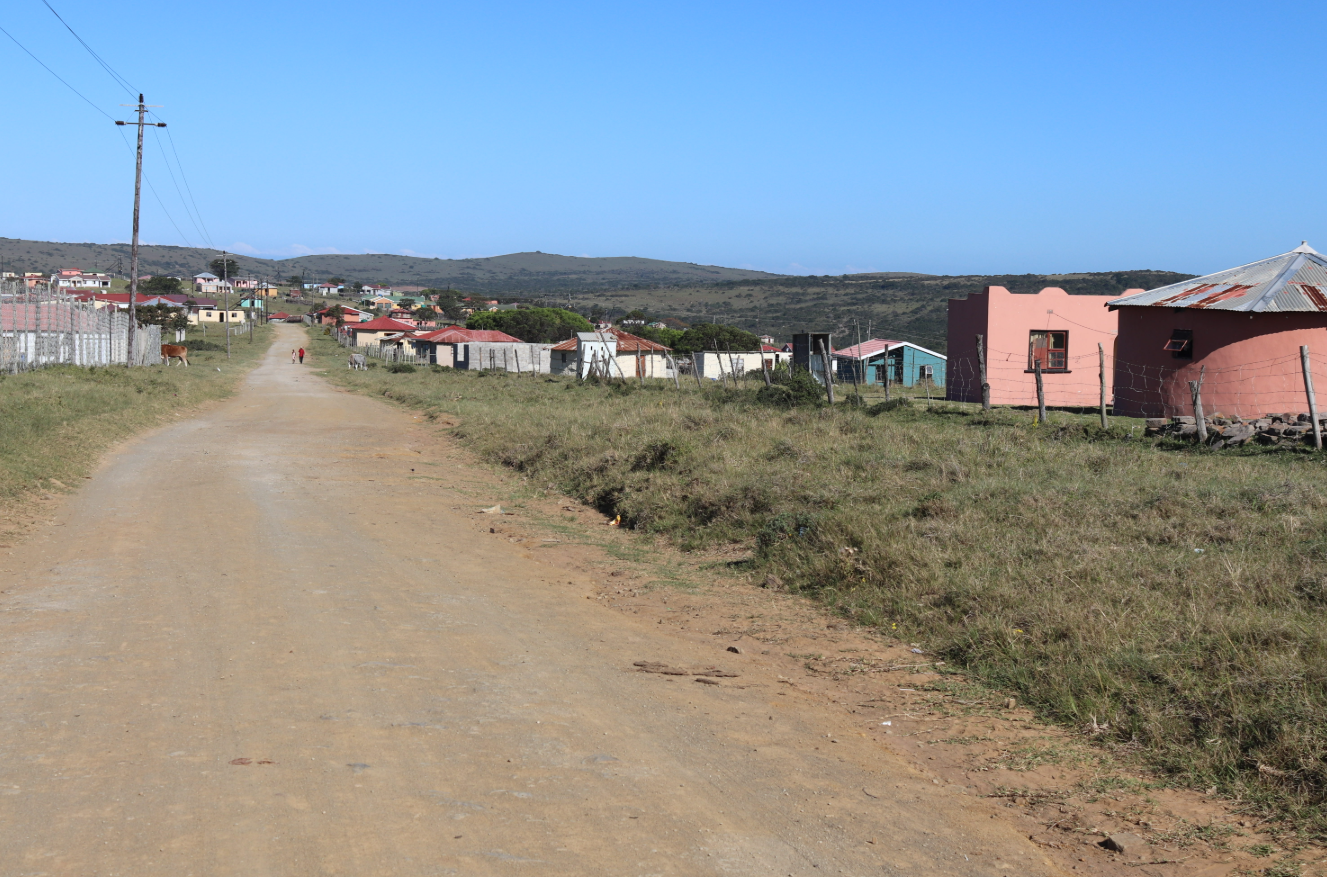
Phozi village lies within the wider landscape identified for the proposed project.
Water and biodiversity concerns
Water security is a central concern for the communities. Residents say the area is already water-scarce and fear that excavation, mine waste, dust, blasting and altered drainage could affect rivers, estuaries and groundwater.
The proposed mining area is close to the Tyolomnqa Nature Reserve and the Tyolomnqa Estuary, which is identified as an ecologically significant marine area. A 2025 government management plan cited by Mongabay describes the estuary as an important coastal ecosystem containing mangrove forests, numerous fish species and extensive birdlife.
The area also includes habitat for the Kiwani porcelain flower, a critically endangered shrub found only between the Keiskamma and Tyolomnqa rivers, according to Mongabay. Archaeological sites, including Stone Age artefacts, Iron Age settlement remains and possible unmarked graves, have also been identified in the wider region.
A background information document initially published by the company identified potential risks including water pollution from mine waste, the storage of dangerous goods and the clearing of indigenous vegetation within a Critical Biodiversity Area. The document was later removed from the internet, Mongabay reported, and is not a substitute for the formal environmental impact assessment.
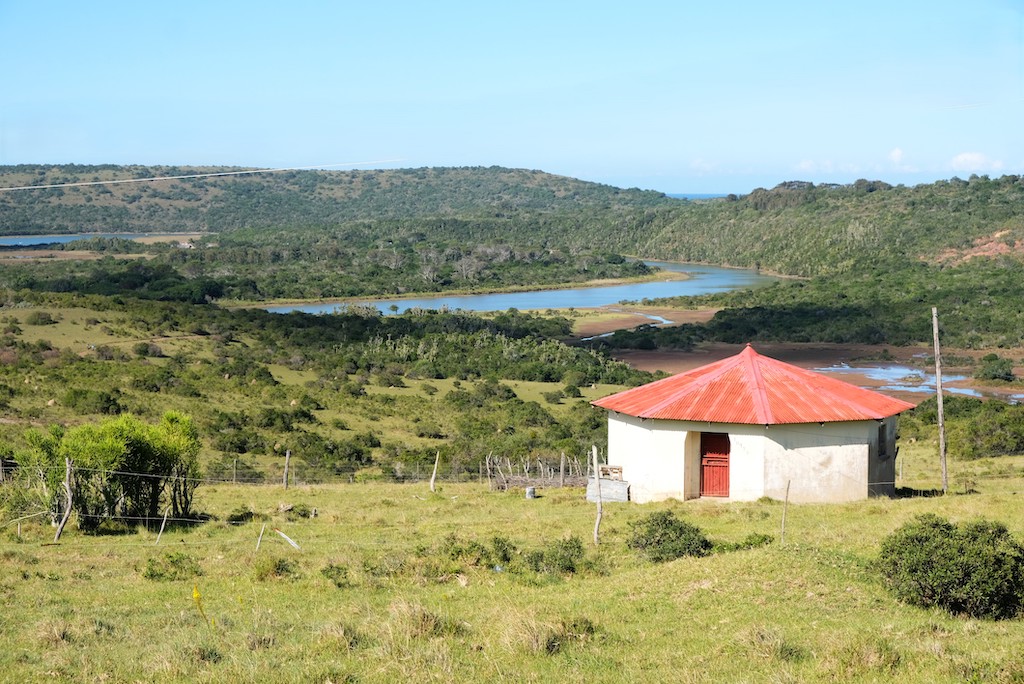
The proposed mine is near the Tyolomnqa, Kiwane and Keiskamma estuaries.
Community members have also raised concerns about dust and industrial noise. Diane McIntyre, an emeritus professor at the University of Cape Town who lives near the Tyolomnqa Nature Reserve, told Mongabay that continuous industrial activity could affect bird and animal life in the reserve.
Reported project parameters
| Item | Reported detail |
|---|---|
| Project | Tyolomnqa Heavy Mineral Sands Project |
| Developer | Vendicom Minerals Beneficiation Group |
| Location | Eastern Cape, near Tyolomnqa, Kiwane and Keiskamma estuaries |
| Target area | Almost 3,000 hectares |
| Proposed operating period | About 30 years |
| Main minerals | Zircon, rutile, ilmenite and leucoxene |
| Construction employment estimate | 600–800 jobs during peak construction |
| Existing related permit | Approximately five hectares near the Tyolomnqa estuary |
Figures are drawn from reporting by Mongabay and Oxpeckers. Final project parameters would depend on regulatory approvals and the environmental assessment process.
Jobs have not overcome opposition
Vendicom’s background information document reportedly projected between 600 and 800 jobs during peak construction. Community representatives, however, question how many positions would go to local residents.
Oxpeckers reported that the company indicated only about 20% of the opportunities would be unskilled roles. Residents say many of the remaining positions would likely be filled by workers from outside the area because local households do not have the specialised mining experience required.
“It’s not that we do not want jobs or development but we do not want harmful development such as mining,” Ndongeni told Oxpeckers.
The disagreement reflects a wider challenge for mining proposals in rural South Africa: promised employment may be weighed against potential losses in agriculture, fishing, tourism, grazing and ecosystem services. For the affected villages, the issue is whether the project would create durable local economic value or replace existing livelihoods with a limited number of industrial jobs.
Vendicom referred media inquiries to Assured Turnkey Solutions, the environmental and social risks consultancy appointed to manage the assessment process. The consultancy told Mongabay that the draft scoping report had not yet been released for public review and that the statutory public-comment period had not begun.
Application history remains contested
The project’s regulatory history has added to community uncertainty.
According to Oxpeckers, two mining-right applications covering nearly 3,000 hectares were submitted to the Department of Mineral and Petroleum Resources in September 2025. One was withdrawn and the other was rejected. Mongabay reported that a department letter cited two applications covering the same land and minerals, which would not comply with the Mineral and Petroleum Resources Development Act.
A separate company, Vendicom Pty Ltd, holds a much smaller permit covering about five hectares near the mouth of the Tyolomnqa Estuary. Oxpeckers reported that the permit was renewed in 2026 and runs until June 2027, although mining has not begun. Community members say the presence of similarly named entities has contributed to confusion over the scope of authorised activities.
The larger project has not received a final approval to proceed. The formal environmental assessment and public participation process will be important next steps for regulators, affected communities and other interested parties.
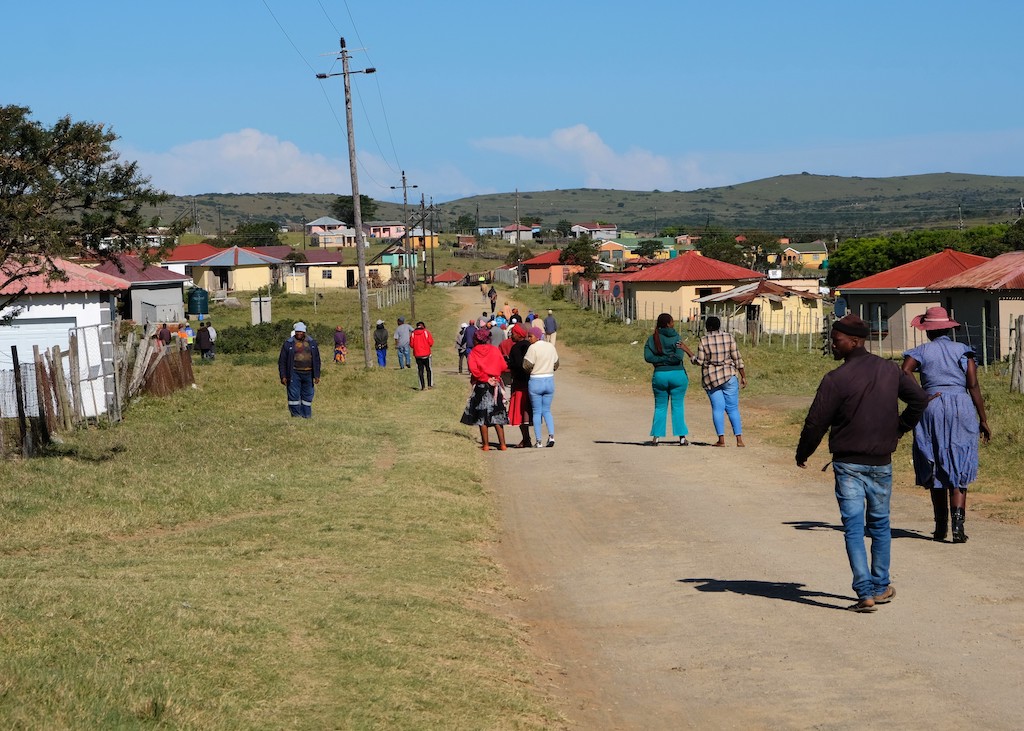
Community members have formed a coalition opposing mining on their communal land.
Consent is at the centre of the dispute
Residents say they were not properly consulted and have not consented to mining on their communal land. Their position draws on the 2018 Xolobeni judgment, which confirmed that the state must obtain the full and informed consent of a community holding customary rights in land before granting a mining right.
The ruling followed a long-running dispute over a proposed titanium mine on South Africa’s Wild Coast. The case has become an important reference point for communities challenging mining proposals on land held under customary tenure.
Legal representatives cited by Oxpeckers have cautioned that an informal community meeting should not be treated as a formal acceptance or rejection of the mining application. That decision, they said, must be recorded through the legally prescribed public participation process, where interested and affected parties can review documents and submit objections.
The Phozi community has nevertheless made its position clear in public meetings and through a petition calling on national and provincial authorities to stop the project. Residents argue that the region’s development priorities should focus on farming, fishing, small-scale enterprise, tourism and sustainable use of coastal resources rather than large-scale mineral extraction.
The dispute places local land rights against South Africa’s broader effort to develop supplies of titanium- and zirconium-bearing minerals. Those materials serve global industrial and energy markets, but the resistance in the Eastern Cape shows that strategic mineral demand does not remove the need to address consent, water security, biodiversity and long-term community benefits.
For operators and regulators, the project’s next phase will depend on whether Vendicom can complete the required environmental process and demonstrate that its plans meet legal standards. For the villages, the central question remains whether mining should take place at all on land they say is already supporting their economy, culture and future.
Related Skillings coverage: Mining ESG compliance and the changing reporting landscape
Sources: Mongabay, Oxpeckers, community petition