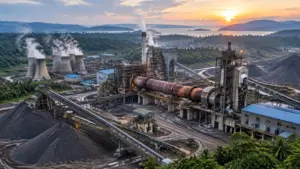
However, the downturn in the copper market presents a complicated picture: The current situation is characterized by falling copper prices due to reduced demand from manufacturers and contractors who use the metal in a variety of applications, from electrical wiring to roofing. Falling demand has created a supply glut that has kept copper prices low, hampering necessary investment in future supply.

Junior Copper Mining Company and Solaris Resources
Young miners like Solaris Resources (TSX:SLS) (OTCQB:SLSSF) are part of the solution to the copper supply challenges of the green energy transition. Their focus on discovering and developing new copper resources, such as the Warintza project in Ecuador, is key to meeting future demand. The latest extension discovered at Warintza East demonstrates the huge potential for such projects. Additionally, strategic partnerships such as Solaris’ appointment of China International Capital Corporation (CICC) as financial advisor underscore growing global interest in new copper resources, with the company taking into account investor interest in the project and company.
Mining Industry Challenges and Investment Willingness
At the heart of the problem lies the mining industry. To meet growing demand for the transition to renewable energy, mining companies will need to mine vast amounts of new copper in the coming years. However, current market conditions create limitations. Major miners such as Freeport-McMoRan and Glencore have said they intend to delay new mining projects until copper prices rise. This cautious approach is due to the higher capital costs of developing new mines and the desire to be profitable in long-term operations.
Mismatch between supply and demand and future forecasts
The mismatch between current supply and future demand sets the stage for a possible market crisis that could lead to price spikes and supply shortages. Goldman Sachs metals strategist Nicholas Snowden predicts that the copper market will inevitably experience periods of extreme scarcity. Factors such as China, the world’s largest copper consumer, recovering from the epidemic and major producers such as Chile and Peru grappling with supply disruptions are exacerbating current market dynamics.
Growing demand for copper from renewable energy sources
Despite these challenges, demand for copper in the green energy sector continues to increase. Copper is vital for the construction of wind farms, solar systems and the manufacture of batteries and electrical wires. However, the industry still accounts for less than 10% of global copper consumption. China’s massive investments in renewable energy and electric vehicles are driving copper consumption, leading to increased copper demand from the solar industry.
Copper supply is becoming increasingly important as the world moves towards a greener future, but the current market downturn presents both a challenge and an opportunity. On the one hand, it hinders immediate investment in new mining projects; on the other hand, it emphasizes the need for strategic planning and innovation to ensure a stable supply of copper for the emerging renewable energy industry.