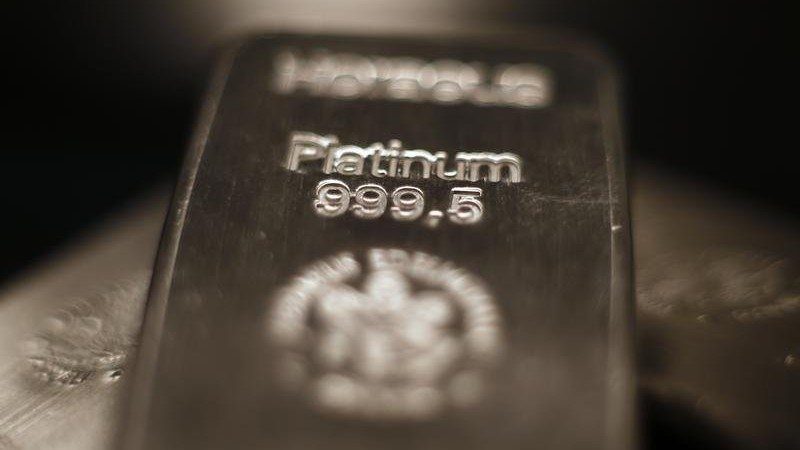

As platinum group metal (PGM) prices begin to recover after a prolonged downturn, Tharisa PLC remains largely ignored by investors seeking exposure to the sector. Despite positive signs in the broader market and upgrades from analysts, the stock remains unchanged over the past month, trading at just 67p per share.
PGM Prices Find New Momentum
Investec recently forecasted supply deficits across the three main PGMs—platinum, palladium, and rhodium—over the next three years. Palladium, in particular, has shown signs of recovery, with prices climbing 9% over the past three months. This has spurred optimism that the broader PGM basket will continue its upward trend.
However, Tharisa has yet to reap the benefits of this renewed market interest. Instead, attention has largely focused on Northam Platinum Holdings, Impala Platinum, and Anglo American Platinum, which Investec has highlighted as preferred plays in the sector.
Upcoming Results Could Be a Catalyst
Tharisa’s upcoming full-year results may provide the catalyst needed for a share rerating. Analysts point to the company’s $109 million net cash position as of the fourth quarter—a significant improvement from its $14 million net debt a year earlier.
More Read

Richard Hatch, an analyst at Berenberg Bank, believes Tharisa’s financial prudence may give it room to navigate market uncertainties. “We think there is some scope for softer investment in Karo capex, and potentially in other capex phasing and/or working capital movements, as well as better prices,” Hatch says.

Karo Project: A Test of Patience
Central to Tharisa’s long-term strategy is its Karo PGM project in Zimbabwe. The $391 million project is designed to produce up to 400,000 ounces of PGMs annually. However, progress has been slow. In May, Tharisa CEO Phoevos Pouroulis announced a decision to slow the timeline for Karo, aligning its development with available funding as PGM prices tumbled.
While financing for Karo remains incomplete, the recent improvement in PGM prices could renew interest in the project. Hatch notes that a more gradual investment approach may reduce pressure on Tharisa’s balance sheet while still allowing for future growth.
More Read

The Chrome Advantage
Beyond PGMs, Tharisa’s chrome production could provide an unexpected boost to its financial performance. The company specializes in producing high-grade metallurgical chrome concentrate, a market that has seen notable price strength.
The average chrome price during Tharisa’s 2024 financial year was $299 per ton, up 13.7% from the previous year. While prices have since softened to around $260-$270 per ton, they remain above historical averages, offering a cushion against volatility in the PGM market.
Peter Mallin-Jones and Alex Gorman of Peel Hunt see chrome as a key factor supporting Tharisa’s valuation. Even under conservative assumptions—including spot PGM prices, a long-term chrome price of $200 per ton, and a scenario where Tharisa abandons the Karo project—they value the company at 89p per share, significantly above its current price.
A Mispriced Opportunity?
Hatch maintains a bullish stance on Tharisa, with a price target of £1.20 per share. “We think the shares are mispriced and are poised to rerate with better PGM sentiment, helped also by strong chrome prices,” he says.
Conclusion
As the PGM market regains strength, Tharisa appears undervalued relative to its peers. While the company faces challenges, including the delayed development of Karo, its robust cash position and diversified revenue streams position it well for a recovery. Investors looking for underappreciated opportunities in the PGM sector may want to keep a close eye on Tharisa as it prepares to report its full-year results.