By Charles Pitts and Sonny Jimerson

CASTRO VERDE, Portugal : Mining has an energy problem that no amount of corporate double-speak can fix. As the industry hurtles toward a 2026 defined by a tightening copper supply gap, the cost of the electrons required to pull that metal out of the ground is becoming the ultimate bottleneck.
Boliden Somincor isn’t waiting for the grid to solve it.
The company recently finalized a partnership with utilities EDP and Greenvolt to develop Portugal’s largest self-consumption solar generation unit (UPAC) at the Neves-Corvo mine. This isn’t a pilot project or a “green” PR stunt. It is a 49-megawatt industrial-scale assault on energy price volatility.
Per facility. That’s not a typo.
More Read
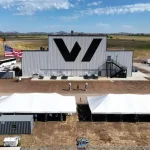
For the operators at Neves-Corvo: one of the most significant zinc and copper orebodies in Europe: the move toward on-site renewables is a calculation of cold, hard survival. In the Iberian wholesale market, price swings haven’t just been an annoyance; they’ve been a threat to the balance sheet. By plugging directly into the sun, Boliden is effectively hedging its largest operational expense for the next two decades.

The 49-Megawatt Gamble
The project details are staggering for a behind-the-meter setup. Typically, mines “greenwash” their operations by buying Renewable Energy Certificates (RECs) or signing Power Purchase Agreements (PPAs) for wind farms three provinces away. Boliden Somincor is doing the opposite. They are building the capacity where the load is.
Located in Castro Verde, the UPAC facility will be situated adjacent to the mine’s primary processing infrastructure. The logic is simple: avoid public grid wheeling and the associated tariffs that have crippled European smelters over the last 36 months.
More Read


By connecting the solar plant “behind-the-meter,” Somincor bypasses the middleman. They aren’t just buying power; they are owning the means of generation. This 49 MW facility is designed to feed the most energy-intensive processes in the underground operation: massive hoisting systems that pull ore from depths of nearly 1,000 meters, ventilation fans that must run 24/7, and complex paste backfill systems.
Breaking Down the UPAC Technical Specs
The partnership with EDP and Greenvolt Group brings a level of utility-grade expertise to a mining site that is rarely seen in the Alentejo region. The project is specifically engineered to handle the “peak daytime loads” of an underground mine. Ironically, while the sun is at its hottest, the mine’s cooling and ventilation requirements are at their highest.
Those two clocks: solar generation and ventilation demand: sync perfectly.
| Project Component | Detail |
|---|---|
| Total Capacity | 49 MW |
| Technology | Photovoltaic (PV) with UPAC configuration |
| Primary Partners | EDP, Greenvolt Group |
| Connection Type | Behind-the-meter (Direct) |
| Primary Load Use | Hoisting, Ventilation, Paste Backfill |
| Location | Castro Verde, Portugal |
| Operational Goal | Grid independence and cost stabilization |
The Iberian Energy Trap
To understand why this matters, you have to look at the brutal numbers governing European mining right now. The Iberian wholesale electricity market (OMIE) has been a roller coaster. For a mine like Neves-Corvo, which requires constant, high-voltage power to keep water from flooding the lower levels and to keep air circulating for workers, a 20% spike in electricity prices can wipe out the margin on a week’s worth of copper concentrate.
“The strategic calculus here isn’t subtle,” says one analyst familiar with the project. “You can’t control the LME price of zinc. You can’t control the grade of the ore beyond what geology gave you. But you can control your exposure to the local power utility. This project is Boliden taking the steering wheel.”
Moreover, the European renewable transition is no longer optional. With carbon export controls and regional price spreads becoming more volatile, having a “low-carbon” stamp on your concentrate isn’t just for the ESG reports: it’s a requirement for the smelters.
Operational Synergies: Ventilation and Cooling
Deep mine workings are heat traps. At Neves-Corvo, as the mine goes deeper to chase high-grade zinc and copper lenses, the energy required to maintain a safe working environment grows exponentially.
Here is the kicker: Solar output peaks exactly when the surface ambient temperature is highest. This is the exact moment when the mine’s refrigeration plants and secondary ventilation fans are working their hardest to push cool air into the stopes. By using solar to offset these peak loads, Somincor is effectively “shaving” the most expensive part of their power bill.

It also eases the burden on their transformer sizing. If the mine can generate 49 MW on-site during the heat of the day, they don’t have to rely on the aging Portuguese rural grid infrastructure to deliver that extra “bump” of power. That’s an operational insurance policy that few mines in the world currently possess.
The Timeline and Execution Risks
While the deal is inked and the partnerships are set, the timeline for full integration remains a “watch-item” for investors. Integrating a 49 MW intermittent power source into a sensitive underground power grid isn’t like putting panels on your roof.
The primary risk is intermittency management. Mining equipment: especially large mills and hoists: does not like power fluctuations. A sudden cloud cover that drops solar output by 30 MW in a matter of seconds can trigger protective relays and shut down the entire processing plant.
To mitigate this, Somincor and EDP will likely need to implement sophisticated load-shedding software or a Battery Energy Storage System (BESS) down the line. While a BESS hasn’t been the primary focus of the initial 49 MW announcement, it is the logical “next step” to ensure the mine doesn’t “flicker” every time the weather changes.
Furthermore, the construction of the “largest self-consumption project in Portugal” comes with its own set of supply chain headaches. Solar panels, inverters, and high-voltage switchgear are all facing their own lead-time issues. If the project hits delays, Somincor remains exposed to the very market volatility they are trying to escape.
Why This Sets a Precedent for 2026
We have been beating the drum on the technology-first mining sector for months. The Boliden Somincor project is the physical embodiment of that thesis.
In a world where M&A mania won’t solve the supply crisis, internal operational optimization is the only lever left to pull. Somincor is signaling to the rest of the industry that the “grid-dependent” model is dead for base metal mines in Europe.
If you want to mine zinc and copper in a high-cost environment, you have to be your own utility.
Final Assessment: A Strategic Necessity
The project at Neves-Corvo is a massive step forward, but let’s be clear-eyed about the reality: it covers a significant portion of daytime load, but it doesn’t make the mine a “green” island. The night shifts still rely on the grid. The heavy haulage still relies on diesel: unless they accelerate their autonomous and electric haulage transitions.
However, by reducing transmission losses and avoiding public grid wheeling, Boliden Somincor is building a moat around Neves-Corvo. They are lowering their “all-in sustaining cost” (AISC) by attacking the energy variable.
For the mining industry, 2026 is the year where the “energy-to-ore ratio” becomes the most important metric on the quarterly call. Somincor just gave everyone else a 49-megawatt head start.
The clock is ticking for the rest of the Iberian miners to catch up. Otherwise, they’ll be left paying the “volatility tax” while Boliden harvests the sun.
That’s not a rounding error. That’s the difference between a profitable quarter and a shutdown.