By Penny Laneford

The copper market isn’t waiting around anymore. What analysts predicted would be a gradual tightening over the next decade is now barreling toward us like a freight train with faulty brakes. The copper price forecast for 2026 sits somewhere between $10,000 and $12,000 per metric ton, depending on who you ask, but the real story isn’t just about where prices land. It’s about how fast we got here.
Look, the mining industry has been talking about a looming copper deficit for years. We’ve heard the warnings. We’ve seen the reports. But here’s what’s changed: the crunch isn’t looming anymore. It’s already biting, and 2026 is shaping up to be the year where everyone finally feels it.
Where the Big Banks Stand on Copper Prices
The major financial institutions are lining up with their forecasts, and while they don’t agree on exact numbers, they’re all pointing in the same direction, up.
J.P. Morgan is bullish, projecting copper to average around $12,075 per metric ton for the full year, potentially hitting $12,500/mt by Q2 2026. Citibank isn’t far behind, calling for $12,000/t with the possibility of breaking above $5.90 per pound by mid-year.
More Read

Goldman Sachs is playing it a bit more conservative, forecasting prices in the $10,000–$11,000 range, with a first-half average around $10,710/mt. BMI (Fitch Solutions) lands right in the middle at $11,000/t.

The outlier bull case? Some analysts are whispering about $15,000 per ton. Most consider that unlikely, but the fact that number is even in the conversation tells you something about market sentiment right now.

More Read

The 17-Year Problem Nobody Wants to Talk About
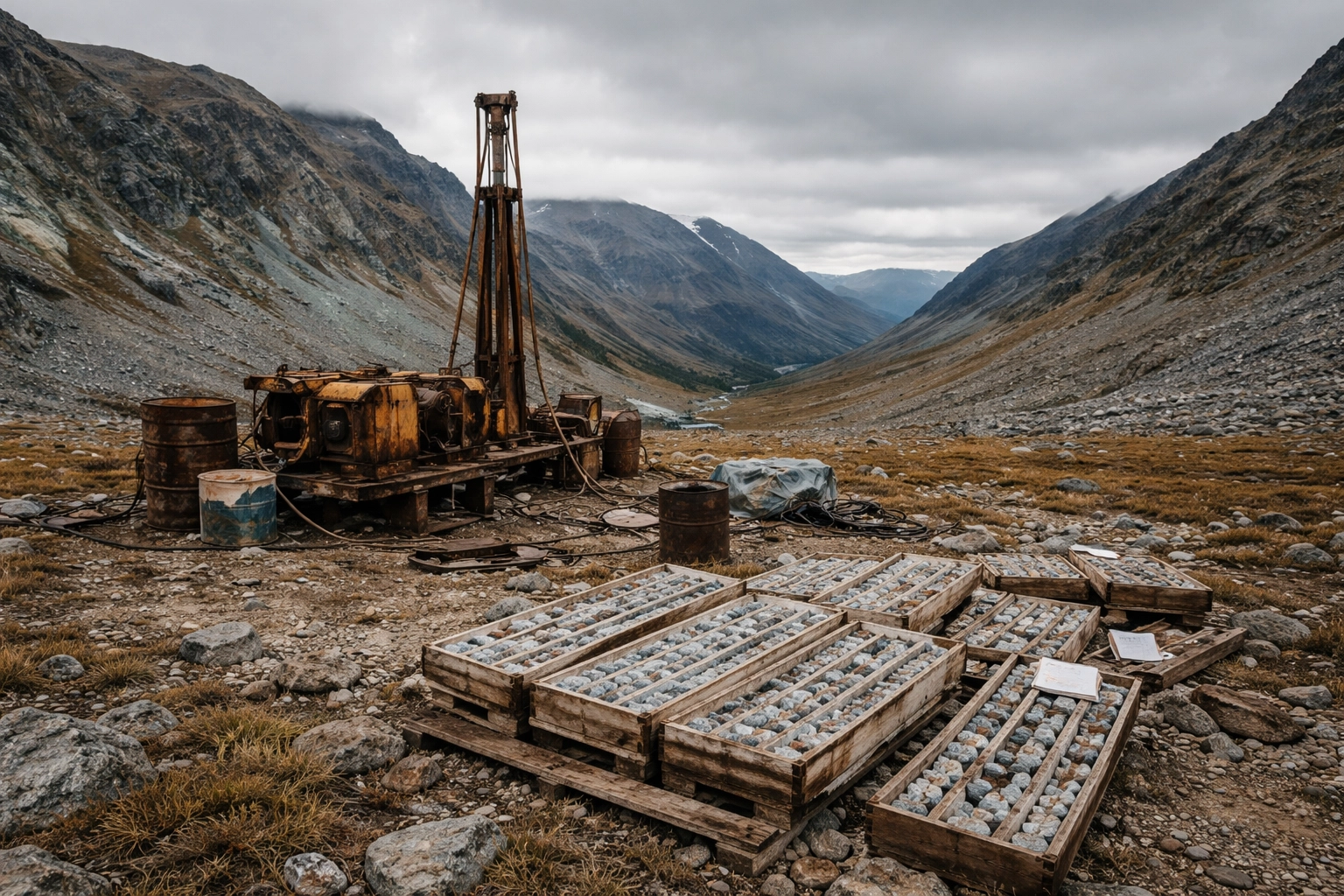
Here’s the uncomfortable truth that keeps getting buried in quarterly earnings calls: opening a new copper mine takes approximately 17 years from discovery to production. Seventeen. Years.
Think about that timeline for a second. If a junior explorer made a significant copper discovery today, we wouldn’t see that metal hitting the market until 2043. Even fast-tracking a mine from prospecting to production, cutting every corner that can legally be cut, still takes more than a decade.
This isn’t a supply chain hiccup that sorts itself out in a few quarters. This is a structural constraint baked into the physics of mining itself. You can’t drill faster. You can’t permit faster (well, you could, but that’s a whole different political minefield). You definitely can’t build processing infrastructure faster.
The copper industry is essentially trying to sprint a marathon, and it’s already winded at mile three.
Demand Isn’t Slowing Down: It’s Accelerating
While supply struggles to keep pace, demand is doing the opposite. Current global copper consumption sits around 25 million metric tons annually. By the 2030s? Projections point toward 33 million metric tons.
What’s driving this? The usual suspects, but they’re hungrier than ever.
The zero-carbon mining push is reshaping equipment supply chains, and guess what those electric haul trucks and battery systems need? Copper. Lots of it.
EVs require roughly four times more copper than internal combustion vehicles. Wind turbines, solar installations, grid upgrades: everything about the energy transition runs on copper wiring. And now we’ve got AI data centers popping up everywhere, each one demanding massive electrical infrastructure.
The refined copper deficit for 2026 alone is expected to hit approximately 330,000 metric tons. That’s not a rounding error. That’s a gap that somebody, somewhere, isn’t going to be able to fill.
The Deficit Math Gets Ugly Fast
Here’s where the copper price forecast starts looking less like analysis and more like a warning label.
Current projections suggest the copper supply deficit will grow to 30% by 2035. The annual shortfall could reach 6 million metric tons by 2030. We’re not talking about minor market imbalances that swing back and forth with economic cycles. We’re talking about a fundamental mismatch between what the world needs and what the mining industry can physically deliver.
Goldman Sachs actually expects a small surplus of about 160,000 tons in 2026: but even they acknowledge this represents significant market tightening compared to historical norms. A “surplus” that tight doesn’t give anyone breathing room.
The supply constraints aren’t going away. Ore grades are declining at existing operations. New discoveries aren’t keeping pace with depletion. Permitting timelines keep stretching longer, not shorter. Water access is becoming a flashpoint at operations across Chile and Peru. Labor costs are climbing.
Every single factor that could ease supply pressure is moving in the wrong direction.
China: The Elephant That Could Still Sit Down
Now, before anyone accuses this article of being nothing but doom and copper bulls, let’s talk about the risks to the upside forecast.
China matters. A lot. If Chinese demand softens: whether from property sector weakness, economic slowdown, or policy shifts: the entire copper price forecast changes. China consumes roughly half the world’s copper. A 10% drop in Chinese demand would wipe out most projected deficits.
Broader macroeconomic headwinds could also throw a wrench into the bull case. Recession fears, interest rate movements, trade policy disruptions: any of these could knock copper prices back toward the $8,000–$9,000 range that feels almost nostalgic now.
Goldman Sachs specifically notes that copper could face correction pressure after recent rallies. The market has been running hot, and some pullback wouldn’t surprise anyone.
But here’s the floor most analysts agree on: even in a softer demand scenario, structural supply constraints should keep prices anchored around $10,000 per ton. That’s not a ceiling anymore. That’s become the basement.
What This Means for the Industry in 2026
The copper crunch isn’t a 2030 problem anymore. It’s a 2026 reality that miners, manufacturers, and investors need to price into their strategies right now.
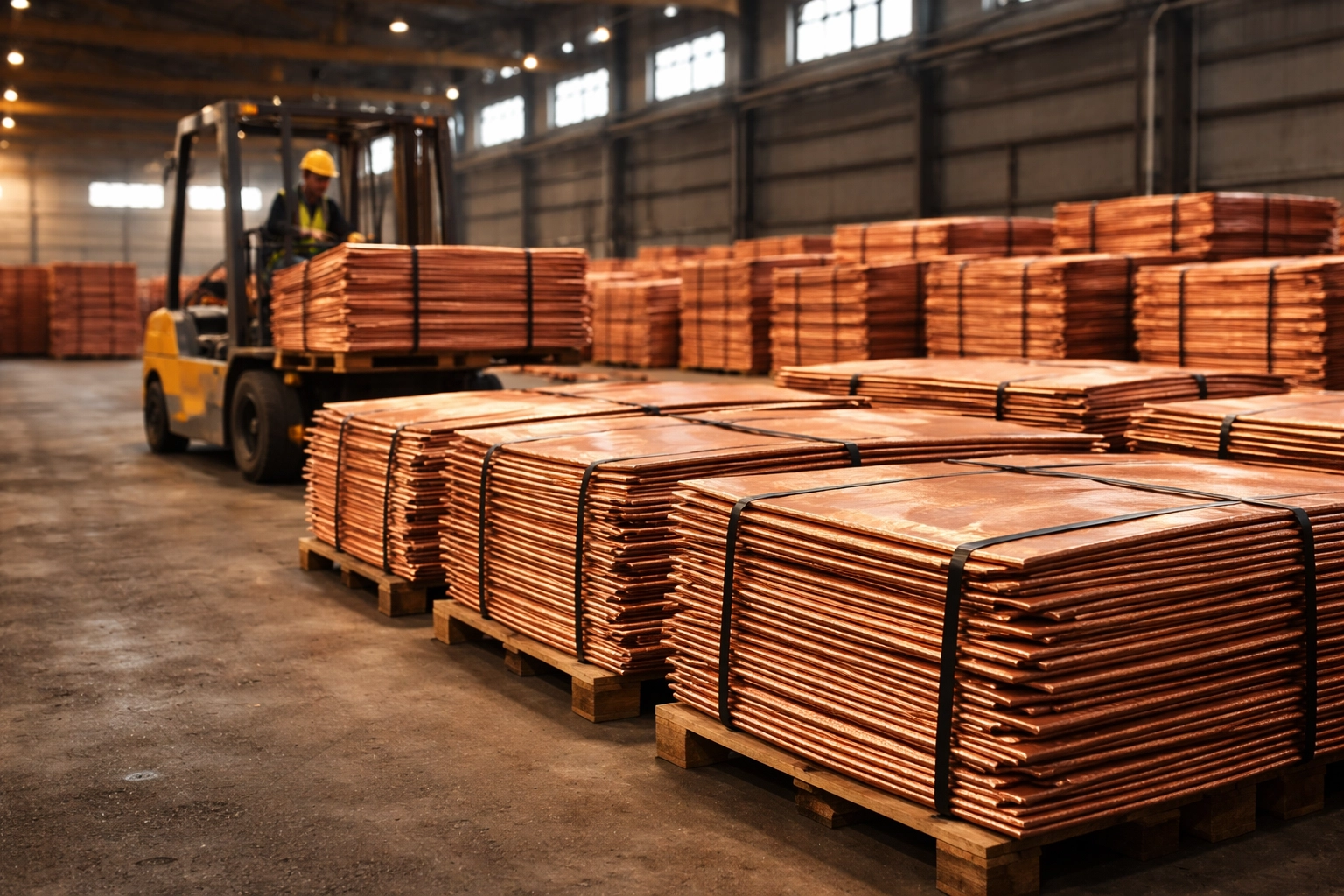
For producers, elevated prices mean improved margins: but also increased pressure to expand output from existing operations. Expect to see more brownfield expansion projects getting greenlit over the next 12 months.
For consumers, copper costs are becoming a bigger line item. Manufacturers downstream from mining need to start hedging strategies if they haven’t already. Waiting for prices to “come back down” isn’t a viable procurement strategy when the fundamental supply-demand picture looks this tight.
For investors, the copper thesis remains intact despite near-term volatility risk. The 17-year development cycle means new supply isn’t showing up to rescue the market anytime soon. Companies with producing assets and expansion optionality are sitting in the sweet spot.
The copper price forecast for 2026 points to a market under stress: but also a market with clear direction. The crunch is moving faster than expected, and everyone’s going to have to adjust their timelines accordingly.
The question isn’t whether copper prices stay elevated. The question is whether the industry can move fast enough to prevent “elevated” from becoming “extreme.”
Based on the math, don’t bet on it.