Zijin Mining just wrote the biggest check in its corporate history. C$5.5 billion. All cash. For a Canadian gold miner with African assets that most investors couldn't find on a map six months ago.

On January 26, 2026, Zijin Gold International agreed to acquire Allied Gold for C$44 per share: a deal that values the Toronto-listed company at approximately US$4 billion and marks the largest cross-border mining transaction between China and Canada in recent memory. Coming on the heels of a diplomatic reset between Beijing and Ottawa, the timing here isn't coincidental. It's calculated.
What Zijin Is Actually Buying
Allied Gold isn't a household name. But its asset base is what matters. Three operating or near-production gold mines across West and East Africa:
- The Sadiola Gold Mine in Mali
- The Bonikro and Agbaou gold complex in Côte d'Ivoire
- The Kurmuk Gold Mine in Ethiopia, currently under construction with commissioning scheduled for the second half of 2026

As of year-end 2024, Allied Gold reported 533 tonnes of gold resources at an average grade of 1.48 grams per tonne. That's not top-tier grade territory, but it's economically viable at current gold prices. The company produced 11.1 tonnes of gold in 2024, with guidance for 11.7 to 12.4 tonnes in 2025.
Here's where it gets interesting. Once the Sadiola expansion project and the Kurmuk mine come online, Allied's projected annual gold output jumps to 25 tonnes by 2029. That's more than doubling current production. Those aren't aspirational numbers: those are engineering timelines already in motion.

Why This Deal Matters for Zijin
Zijin Mining has been on a global acquisition spree for years, but this transaction represents a strategic acceleration. The company has publicly committed to producing over 100 tonnes of gold annually, and Allied's assets push that timeline forward considerably.
Upon completion of this acquisition, Zijin Gold International's portfolio will expand to 12 gold mines across 12 countries. That's geographic diversification on steroids. It's also operational complexity that most mining companies avoid. Zijin doesn't.
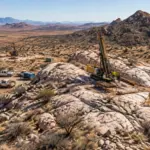
The African footprint is particularly strategic. Zijin already operates mines in Ghana and Eritrea. Allied's Mali, Côte d'Ivoire, and Ethiopia assets create regional clustering that enables shared infrastructure, technical expertise, and supply chain optimization. That's not speculation: that's basic mining economics.

The Geopolitical Calculation
Let's talk about what's not being said in the press releases. This deal comes after months of renewed diplomatic engagement between China and Canada following years of friction over Huawei executive Meng Wanzhou's detention and subsequent trade tensions. The approval process for a Chinese state-backed entity to acquire a significant Canadian mining company would have been politically untenable 18 months ago.
Things have changed. Canada needs Chinese investment. China needs secure commodity supply chains that bypass potential Western sanctions or export restrictions. Gold, as both a monetary metal and an industrial input, sits at the intersection of those interests.
The C$5.5 billion price tag isn't just about Allied's current production: it's about locking in future supply at known costs in jurisdictions where Zijin already has operational experience and political relationships. Mali, Côte d'Ivoire, and Ethiopia aren't exactly mining-friendly regulatory environments for Western companies right now. For a Chinese state-backed enterprise, the calculus is different.
Deal Structure and Timeline
The transaction is structured as an all-cash offer, which removes financing risk and signals Zijin's confidence in the valuation. No stock swap. No earn-outs. Just cash on closing.
The deal is expected to close by late April 2026, subject to the usual regulatory gauntlet: shareholder approval, Canadian court approval, approvals from Chinese regulators, and sign-offs from mining authorities in Mali, Côte d'Ivoire, and Ethiopia.
That's a 90-day timeline in an industry where transactions routinely take six to twelve months to close. The compressed schedule suggests pre-clearance discussions have already happened behind closed doors. These things don't move this fast without advance coordination.

What This Means for Global Gold Markets
Zijin's aggressive M&A strategy is part of a broader pattern: Chinese mining companies consolidating control over critical mineral supply chains. Gold might not be a critical mineral in the battery metals sense, but it's a monetary asset and a hedge against currency instability. China's central bank has been a consistent buyer of gold for years. Securing upstream production fits that strategic priority.
For Allied Gold shareholders, the C$44-per-share offer represents a substantial premium to where the stock was trading before acquisition rumors surfaced. For Zijin, it's a relatively inexpensive entry point for 25 tonnes of annual gold production by 2029: especially when factored against the capital costs of greenfield development in the current environment.
The broader gold mining sector is watching this deal closely. If regulatory approvals come through without major concessions, it opens the door for more Chinese capital to flow into African gold assets. That's significant. Western mining companies have been pulling back from jurisdictions perceived as high-risk. Chinese companies are filling that vacuum.
The Bottom Line
Zijin Gold's C$5.5 billion acquisition of Allied Gold isn't flashy. It's not a moonshot exploration play or a game-changing technology bet. It's disciplined empire-building: buying proven reserves in operating mines with expansion projects already underway, in jurisdictions where political relationships matter more than ESG scorecards.
The deal closes in April if all goes according to plan. Based on the timeline and structure, there's little reason to expect it won't. And when it does, Zijin will control another 25 tonnes of annual gold production by decade's end: produced from mines that most Western investors wouldn't touch.
That's not a bug. That's the strategy.