Most mining companies treat ESG reporting like a compliance checkbox. They publish glossy sustainability reports, throw around carbon-neutral pledges, and hope investors don't dig deeper.

Then reality hits: $8.2 million fines, dam breaches, community protests, and supply chain disruptions that crater valuations.
The gap between ESG commitments and operational reality is widening, particularly for copper, lithium, and gold producers racing to meet electrification demand. Investors, regulators, and communities aren't buying the marketing anymore. They want proof.
What follows is a working database of real-world ESG cases: both catastrophic failures and genuine success models: across the mining sector. These aren't theoretical frameworks. They're operational examples with actual financial and reputational consequences.
The Copper Sector: Where Water Meets Reality
Copper producers face a brutal ESG equation: the energy transition requires massive copper supply expansion, but most new deposits sit in water-stressed regions with indigenous land claims and environmental vulnerabilities.
More Read

Escondida, Chile remains the poster child for what happens when water management fails. BHP's flagship mine: the world's largest copper operation: received an $8.2 million fine in March 2022 for breaching water usage permits between 2005-2019. The damage to the Monturqui aquifer wasn't just an environmental problem. It became a stakeholder risk that delayed expansion projects and triggered community opposition.

That's not a one-off failure. The entire Atacama copper belt operates under similar constraints, where water usage directly conflicts with community needs and agricultural demands.
Nchanga Mine in Zambia provides another case study in environmental liabilities converting into financial ones. Settled litigation alleged acid pollution entered local river systems, destroying farmland and aquatic life. Residents consuming contaminated fish experienced documented health impacts. The reputational damage extended beyond the mine itself: it affected the parent company's social license to operate across multiple jurisdictions.
More Read
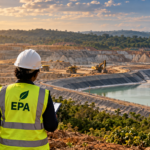

Mexico's Buenavista Mine delivered one of the sector's worst environmental disasters in recent memory. In 2014, 11 million gallons of chemical waste spilled into the Bacanuchi and Sonora rivers. Livestock died. Residents' health deteriorated. The cleanup costs and ongoing liabilities continue to compound.
But copper isn't all disasters.
BHP and Rio Tinto both earned C+ ESG scores and rank in the top 20% of their mining peer group. Their governance and business ethics scores remain solid, even as they navigate complex jurisdictions. That's not greenwashing: it's operational discipline translating into measurable risk management.
The strategic calculus: copper producers that treat ESG as an operational priority rather than a reporting exercise maintain better community relationships, face fewer regulatory surprises, and preserve expansion optionality.
Lithium: Fast Growth, Slow Governance
Lithium demand is exploding. ESG frameworks aren't keeping pace.
The sector's youth shows in its reporting inconsistency. Many lithium producers still operate with mining-era governance structures unsuitable for battery supply chain scrutiny. Tesla, Apple, and BMW aren't just buying lithium: they're auditing entire value chains.
Rio Tinto's $2.4 billion Serbian lithium project represents the sector's tension between resource development and local acceptance. The company sanctioned the investment, but local challenges persist. Community opposition forced project delays despite strong government support. That gap between capital deployment and social license is becoming the defining risk for new lithium development.
Contemporary Amperex Technology and CMOC Group's Bolivian operation secured rights to extract lithium with a $1 billion investment. The project targets 50,000 metric tons of battery-grade lithium carbonate annually. Bolivia's political volatility and indigenous land rights create ongoing governance challenges that pure financial metrics miss.

What's notable: lithium producers face different ESG pressures than traditional miners. Their customers: battery manufacturers and automakers: impose supply chain audits that exceed regulatory requirements. Glencore's cobalt supply deal with Tesla and BHP's nickel agreement both included explicit ESG provisions. That's the new normal.
The industry response is splitting. Sophisticated operators treat these audits as competitive advantages, using ESG performance to secure premium off-take agreements. Others struggle to meet basic disclosure requirements.
Gold and Diversified Miners: The ESG Pecking Order
Gold producers face unique ESG challenges. Artisanal mining contamination, mercury use, conflict financing risks, and tailings management all create sector-specific liabilities.
Rio Blanco in Peru: owned by Hong Kong's Junefield Mineral Resources and Hunan Gold Corporation: faced criticism for ramping up production despite warnings about heavy metal release and acid drainage risks. The operation highlighted how gold producers in emerging markets often face enforcement gaps that create long-term remediation liabilities.
Canada's Mount Polley Mine delivered a watershed moment for the global mining industry. The dam breach released 24 million cubic meters of mine waste into a lake used by indigenous communities. The incident triggered regulatory overhauls across multiple jurisdictions and fundamentally changed how investors assess tailings management risk.
But the gold sector also produced genuine ESG leaders.
Fortescue Metals Group emerged as a top industry performer with a target of achieving zero real carbon emissions from Australian iron ore assets by 2030. That's not a distant pledge: it's backed by capital deployment and operational changes happening now.
Vale tied with Fortescue for first place in comprehensive ESG rankings. After the Brumadinho dam disaster, Vale rebuilt its governance structure, increased disclosure transparency, and elevated community engagement from corporate social responsibility to operational necessity.

Alcoa's Juruti Mine in Brazil aims for carbon-neutral bauxite operations by 2030 through land rehabilitation offsetting. The operation demonstrates how mature miners integrate ESG into operational planning rather than treating it as an add-on.
The pattern: gold producers that survived major ESG failures often become category leaders because they've internalized hard lessons competitors haven't yet learned.
What Actually Works: The Frameworks That Matter
Most ESG reporting fails because companies focus on disclosure rather than performance. Publishing a sustainability report doesn't reduce tailings risk or improve water management.
The Towards Sustainable Mining (TSM) initiative provides the most credible framework for operational ESG management. TSM focuses on verifiable performance indicators rather than aspirational commitments. Mining companies that adopt TSM face external verification, which converts ESG from marketing to measurable outcomes.
The Global Battery Alliance's battery passport system is reshaping lithium and cobalt supply chains. Starting in 2026, batteries entering European markets must include full supply chain documentation, including ESG performance at each extraction and processing stage. That's not voluntary: it's becoming a market access requirement.
Rio Tinto's $7.5 billion commitment to halve emissions by decade's end includes specific capital allocations and timeline milestones. The company's partnership with Apple on carbon-free aluminum demonstrates how ESG performance creates commercial opportunities, not just compliance costs.
Glencore's electronic waste recycling capacity expansion and Tesla supply agreements show how miners can convert ESG capabilities into competitive advantages. These aren't philanthropic initiatives: they're strategic responses to changing customer requirements.
The Growing Divide
ESG performance is separating mining companies into two categories: those that can access capital and secure premium off-take agreements, and those facing increasing cost of capital and customer scrutiny.
The split isn't about good versus bad actors. It's about operational sophistication. Companies that integrate ESG into risk management, capital allocation, and stakeholder engagement outperform those treating it as a reporting exercise.
For copper producers, that means water management isn't an environmental issue: it's a production continuity issue. For lithium developers, community acceptance determines whether billion-dollar projects advance or face indefinite delays. For gold miners, tailings management directly affects insurance costs and access to capital.
The examples above aren't exhaustive, but they're representative. Mining ESG isn't about achieving perfection. It's about demonstrating continuous improvement, maintaining transparency when things go wrong, and building stakeholder trust through consistent performance rather than aspirational commitments.
The companies that figure that out maintain expansion optionality. The ones that don't face rising costs, regulatory friction, and customer pressure that compounds over time.
That gap is widening in 2026.
Source: Skillings Mining Review analysis of industry ESG reporting, regulatory filings, and verified incident data (Data as of Feb 15, 2026)