By Charles Pitts
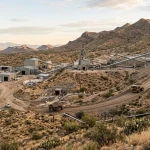
Eagle Nuclear Energy Corp. (NASDAQ: NUCL) has officially initiated comprehensive environmental baseline studies at its Aurora Uranium Project, marking a pivotal transition from resource definition toward active permitting and project development. Located along the Oregon-Nevada border near McDermitt, Nevada, the Aurora Project holds the distinction of being the largest conventional, measured and indicated (M&I) uranium deposit in the United States.
The launch of these studies is the first phase of a multi-million-dollar 2026 field campaign. It precedes a massive 27,000-foot Pre-Feasibility Study (PFS) related drill program scheduled to begin this summer. For a domestic energy sector currently grappling with supply chain vulnerabilities and a legislative push to decouple from Russian nuclear fuel, the advancement of Aurora represents a strategic milestone in securing American energy independence.
The Aurora Asset: America’s Uranium Powerhouse
The scale of the Aurora Uranium Project distinguishes it from many of the smaller in-situ recovery (ISR) operations currently dominating the domestic landscape. According to latest technical filings, the project hosts an estimated 32.75 million pounds of Indicated uranium resource, supplemented by 4.98 million pounds in the Inferred category.
More Read

The deposit is situated within the volcanic rocks of the McDermitt Caldera, a region increasingly recognized as a world-class mineral province not only for uranium but also for lithium. The Aurora deposit is a shallow, flat-lying mineralized zone that lends itself to conventional open-pit mining methods.

“The kickoff of baseline studies is a signal to the market and regulators that Aurora is moving beyond the exploration phase,” said a spokesperson for Eagle Nuclear. “We are building the technical and environmental foundation required to bring the largest conventional uranium resource in the country into production.”
This development follows a broader trend of reviving domestic uranium production, similar to recent moves by Uranium Energy Corp at its Burke Hollow site, as the U.S. looks to fill the void left by imported fuels.
More Read

Environmental Baseline: The Path to Permitting
The current environmental campaign is designed to meet the rigorous standards of both the Bureau of Land Management (BLM) and the Oregon Department of Geology and Mineral Industries (DOGAMI). By collecting multi-year data early, Eagle Nuclear aims to de-risk the permitting timeline, which has historically been a bottleneck for large-scale mining projects in the American West.
Key components of the 2026 baseline program include:
- Meteorology: The installation of a 10-meter meteorological (MET) station is expected by early June. This station will monitor wind speed, direction, temperature, and solar radiation, providing the precise atmospheric data required for air-quality permitting and dust-management planning.
- Hydrology and Hydrogeology: A team of specialists is currently assessing surface water quality and groundwater dynamics. This includes identifying local aquifers and establishing a “chemistry fingerprint” of the existing environment before any major disturbance occurs.
- Flora and Fauna: Ongoing surveys are documenting local vegetation and wildlife habitats to ensure compliance with the Endangered Species Act and other regional conservation mandates.
- Wetlands Delineation: SLR International Corporation, acting as the lead permitting manager, is mapping aquatic resources and wetlands to navigate U.S. Army Corps of Engineers requirements.

Cultural Integration and Tribal Engagement
Recognizing the sensitive nature of the McDermitt region, Eagle Nuclear has engaged Native-X, Inc. to lead cultural and archeological baseline studies. The goal is to identify historical and cultural resources early in the process, allowing the company to design mine infrastructure that avoids or mitigates impact on sites of significance to Tribal Nations.
Early engagement is becoming a standard best practice in the critical minerals and mining sector, as operators seek to build long-term social license. By integrating cultural studies into the initial baseline phase, Eagle Nuclear is attempting to build a transparent relationship with local stakeholders from the outset.
The 27,000-Foot Drill Campaign
While the environmental teams are in the field, the company is finalizing logistics for a 47-hole diamond drill program. This $4.7 million campaign, slated to start in July, will utilize three rigs and is being executed by Harris Exploration Drilling & Associates.
Unlike early-stage exploration, this program is strictly focused on Pre-Feasibility Study requirements. Each drill hole is designed with multiple objectives:
- Resource Classification: Moving Inferred resources into the Indicated category and upgrading Indicated sections to Measured.
- Advanced Metallurgy: Collecting large-diameter core samples to refine the process flowsheet and optimize uranium recovery rates.
- Rock Mechanics: Providing geotechnical data for pit-slope stability analysis, which is crucial for determining the final “bankable” mine plan.
- Structural Geology: Utilizing acoustic televiewer surveys to map underground fractures and faults that could impact mining operations.

Financial and Market Context
Eagle Nuclear enters this high-activity period with a robust balance sheet, reporting approximately $30 million in cash reserves. This liquidity allows the company to fund the entire 2026 work program: including the $4.7 million drilling budget: without immediate recourse to the capital markets, a significant advantage in the current high-interest-rate environment.
The timing of the Aurora expansion coincides with a structural shift in the global uranium market. The Uranium Forecast for 2026-2030 suggests a tightening supply-demand gap as utilities scramble to secure long-term contracts for Western-origin fuel. The “Prohibiting Russian Uranium Imports Act,” signed into law in early 2024, has accelerated the need for domestic projects like Aurora to move toward production.
Strategic Outlook: PFS by 2027
The data collected during the current baseline studies and the upcoming drill program will feed directly into the Aurora Pre-Feasibility Study, which is targeted for completion by the end of 2027.
The PFS will be the first document to provide detailed economic projections for the project, including estimated capital expenditure (CAPEX), operating costs (OPEX), and the net present value (NPV) of the asset. For investors and industry analysts, the PFS will determine if Aurora can fulfill its potential as a cornerstone of the U.S. nuclear fuel supply chain.
As Eagle Nuclear progresses through these milestones, the industry will be watching closely to see how the company navigates the complex regulatory environment of Oregon: a state that has not seen major uranium development in decades.

Conclusion
The launch of environmental baseline studies at the Aurora Uranium Project is a clear indication that Eagle Nuclear is shifting gears. By prioritizing data collection, cultural engagement, and geotechnical rigor, the company is laying the groundwork for a project that could fundamentally alter the domestic uranium landscape.
With $30 million in the bank and a clear path toward a 2027 PFS, Eagle Nuclear is positioned to capitalize on the growing demand for secure, American-mined nuclear fuel. As the 27,000-foot drill program kicks off this summer, the transition from “project” to “prospective mine” is well underway.
Stay Informed on the Future of Energy
For more in-depth analysis on uranium, critical minerals, and the energy transition, visit our Mining News section or subscribe to our daily market updates.