By Penny Langford

Iron ore trade rose in May.
Total shipments reached 5.4 million tons.
This volume grew 8.4 percent.
The growth beat the five-year average.
Steel demand remains a primary driver.
Year-to-date totals reached 12.2 million tons.
These figures signal a strong season.
The Lake Carriers’ Association provided these statistics.
Regional Port Performance
Marquette moved 1.04 million tons.
This port serves northern mining regions.
Cleveland handled 447,139 tons of ore.
The harbor saw heavy vessel traffic.
Operations in Cleveland remain highly efficient.
Docks managed several large bulk carriers.
Shipments arrived at regular daily intervals.
Port workers coordinated these complex logistics.

Historical Context and Growth
The 8.4 percent rise is significant.
May often shows seasonal trade spikes.
However, 2026 exceeded past trends.
The industry beat the five-year average.
Supply chains show resilience this year.
Iron ore demand supports local economies.
Total year-to-date volume is very healthy.
The 12.2 million tons show stability.
Stability helps long-term mining investment plans.
Our Global Mining Outlook 2026 noted these trends.
Steel Industry Dynamics
Steel mills require steady ore supplies.
Great Lakes shipping provides this link.
Blast furnaces run on a schedule.
Delay in shipping harms steel production.
Higher May totals prevent these delays.
Automotive and construction sectors need steel.
These sectors drive the current demand.
Strong shipments reflect a robust economy.
Manufacturing remains a core regional pillar.
Domestic steel production creates many jobs.


Vessel Operations and Logistics
Large bulk carriers dominate the lakes.
Ships like the "Great Republic" work hard.
These vessels carry thousands of tons.
Water levels impact total cargo capacity.
Higher water allows for deeper drafts.
Draft depth changes the load size.
Carriers maximize every trip they take.
Navigation through locks requires high skill.
Pilots guide ships with great precision.
Automation helps track these fleet movements.


The Mining Supply Chain
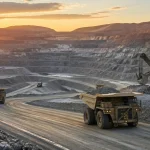
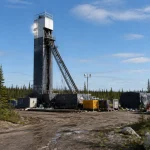
Ore begins at large pit mines.
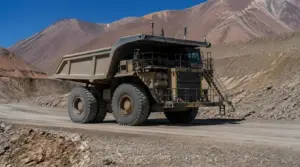
Massive trucks move raw iron material.
Excavators load these trucks day and night.
The mining process requires heavy machinery.
Infrastructure supports the entire supply chain.
Rail lines connect mines to ports.
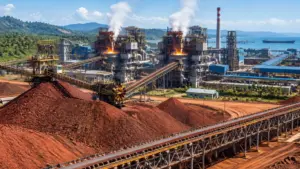
Conveyors move ore into ship holds.
The scale of this work is vast.
Skillings Mining Intelligence tracks these operations daily.

Operational Safety and Monitoring
Control rooms monitor all ship traffic.
Staff track every vessel in real-time.
They use advanced GPS and sensors.
Safety remains the number one priority.
Modern technology reduces the risk of errors.
Efficient tracking lowers operational fuel costs.
Sustainability is becoming a major focus.
Fleet owners invest in cleaner technology.
The industry adapts to new environmental rules.
Data helps optimize the entire network.

Economic Impact on Great Lakes
Mining supports thousands of regional jobs.
Ship crews spend months on water.
Port staff manage the loading docks.
Local businesses serve the industrial sites.
Iron ore remains a vital commodity.
The Great Lakes serve as a highway.
This highway connects mines to markets.
Trade growth strengthens the regional bond.
Infrastructure projects depend on these shipments.
Iron ore is the foundation of growth.
Outlook for the 2026 Season
The May surge sets a pace.
Experts expect a strong summer season.
Maintenance schedules will be very tight.
High demand leaves little room for error.
The Lake Carriers’ Association stays optimistic.
Projections for June look very promising.
Weather will play a critical role.
Ice is no longer a major concern.
Open water allows for full speed.
Total 2026 volumes may break records.
Summary of May Statistics
Total shipments hit 5.4 million tons.
Percentage growth reached 8.4 percent.
Year-to-date total hit 12.2 million.
Marquette led the regional port gains.
Cleveland maintained high cargo handling rates.
The industry surpassed the historical average.
Demand from steel producers remains high.
Infrastructure and logistics supported the rise.
The Great Lakes remain vital for mining.
Visit our site for more updates.