By Penny Langford

The methodology for modeling global copper consumption is undergoing a fundamental shift. Traditionally, analysts looked to Chinese construction cycles and global automotive manufacturing as the primary bellwethers for refined copper demand. However, as we approach 2026, a new industrial variable: the artificial intelligence (AI) data center: has moved from a marginal consideration to a central pillar of the copper demand forecast.
The transition is driven by a stark reality in electrical engineering: AI-focused compute loads are significantly more power-dense than traditional cloud storage. This density requires a complete overhaul of the copper-intensive infrastructure within the data center, from high-voltage busbars to complex liquid cooling systems and redundant power backup units.
The AI Intensity Multiplier
Traditional data centers are already substantial users of copper, typically requiring between 5,000 and 15,000 tonnes of the metal per facility. However, the next generation of hyperscale AI facilities: those designed specifically to house tens of thousands of power-hungry GPUs: are pushing these requirements to new extremes.
Industry data suggests that these specialized AI sites can consume up to 50,000 tonnes of copper per facility. This represents a three-to-five-fold increase in copper intensity compared to conventional builds. When broken down by power capacity, hyperscale AI facilities are now estimated to require approximately 100 tonnes of copper per megawatt (MW) of IT load.

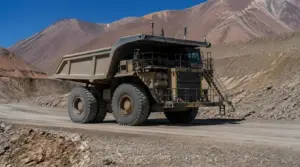
Effective monitoring of mining operations is critical as producers race to meet the intensifying demand from the tech sector.

By 2026, the incremental demand from AI data centers is expected to reach between 200,000 and 300,000 tonnes per year globally. While this is a fraction of the total 25-million-tonne annual refined copper market, it represents one of the fastest-growing segments, effectively absorbing the output of several mid-sized mines every year.
Grid Expansion: The Hidden Copper Consumer
Data centers do not operate in a vacuum. The massive power requirements of AI clusters: often exceeding 500 MW for a single site: necessitate substantial upgrades to the surrounding electrical grid. For every tonne of copper installed inside a data center, additional copper is required in the "middle-mile" infrastructure that connects the facility to the power source.
This includes:
- High-Voltage Transformers: Utilizing massive amounts of copper winding to step down power for site distribution.
- Substation Upgrades: Reinforcing regional grids to handle the continuous, non-variable load of AI clusters.
- Underground Cabling: High-density urban data centers increasingly rely on underground copper cables for reliability and thermal management.
Global assessments of electricity grid requirements suggest that between 27 and 81 million tonnes of copper will be needed cumulatively over the next two decades to support global electrification and grid modernization. By 2026, grid reinforcement to support "AI corridors" in regions like Northern Virginia, Dublin, and Singapore will be a primary driver of localized copper supply tightness.
2026 Market Outlook: Base, Bull, and Bear Cases
As investors and operators look toward the 2026 fiscal year, the copper market is characterized by a growing disconnect between rapidly accelerating demand and the slow pace of new mine supply.
| Scenario | 2026 Demand Driver Impact | Estimated Price Range (USD/t) | Key Risks |
|---|---|---|---|
| Base Case | Steady AI data center build-out; moderate grid expansion. | $9,500 – $11,000 | Continued permit delays in major mining jurisdictions. |
| Bull Case | Acceleration in GPU cluster density; aggressive US/China grid spending. | $12,500 – $15,000 | Severe supply deficits; depletion of LME inventories. |
| Bear Case | Tech sector "cooling" on AI spend; global recession slows industrial demand. | $7,500 – $8,500 | Substitution of copper with aluminum in power cables. |
For a deeper dive into the specific supply-side challenges, read our analysis on the copper supply vs. AI data center demand reset.
Supply-Side Constraints: The 2026 Bottleneck
While demand is surging, the mining industry faces significant hurdles in bringing new production online to match the AI-driven ramp-up. Major projects like the Generation Mining Marathon copper-palladium project are critical for securing North American supply chains, yet the timeline from discovery to production remains over a decade for most greenfield sites.

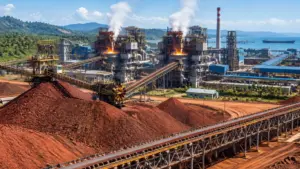
Scaling up extraction to meet new tech-driven demand remains the industry's greatest challenge.
Operational disruptions are also becoming more frequent. We previously reported on the Kamoa-Kakula copper shock, highlighting how even the world's highest-grade mines are susceptible to logistical and regional power constraints. In 2026, the market will likely see increased M&A activity as mid-tier producers are acquired by majors looking to secure future production profiles.
Geopolitical Impact on Copper Flow
The competition for copper is no longer just about price; it is about national security and technological sovereignty. As AI becomes a core component of national defense and economic competitiveness, the copper required to build AI infrastructure is being treated as a strategic mineral.
S&P Global projections indicate that China and the rest of Asia will account for approximately 60% of global copper demand growth through 2026. This is largely due to the dual-track investment in both massive data center clusters and the renewable energy grids needed to power them. Western policymakers are increasingly focused on de-risking these supply chains, which could lead to a fragmented market with "green" or "secure" copper premiums.

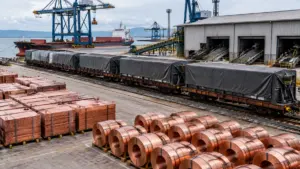
Technological advancement in deep-level extraction is essential for accessing the copper deposits of the future.
The Bottom Line for Decision-Makers
For mining executives and investors, 2026 will be the year when the "AI premium" becomes a visible component of copper valuations. The shift toward more power-dense computing infrastructure means that copper demand is becoming less sensitive to general GDP fluctuations and more tied to the capital expenditure cycles of the world's largest technology firms.
Forecasters must now monitor data center vacancy rates and GPU shipment volumes as closely as they monitor Chinese property starts. The nexus between computing power and mineral extraction is now the primary engine of the global copper market.
To stay ahead of these trends, ensure you are tracking the copper demand AI data centers 2026 outlook and our broader coverage of critical minerals.
Shareable Snippet for LinkedIn/X
AI is no longer just a software story; it’s a physical infrastructure story. By 2026, hyperscale AI data centers could consume 3-5x more copper per site than traditional facilities. Are you factoring the "AI Intensifier" into your copper demand models? Read the full analysis by Penny Langford on Skillings Mining Intelligence. #MiningNews #CopperDemand #AIDataCenters #EnergyTransition