By Penny Langford

The global copper market is entering a period of structural transformation as the traditional drivers of demand: construction and consumer electronics: are joined by the ravenous energy requirements of artificial intelligence (AI) and the data centers that power it. As we look toward 2026, the industry is witnessing a pivot from a comfortable surplus to a tightening deficit, raising critical questions for operators, investors, and policymakers.
The International Copper Study Group (ICSG) recently revised its market outlook, flipping its projection from a surplus to a 150,000-tonne deficit. This shift is mirrored by major financial institutions: JP Morgan now anticipates a 330,000-tonne deficit by 2026, while Morgan Stanley has issued a more aggressive forecast of a 600,000-tonne shortfall. At the heart of this imbalance is a collision between an unexpected surge in AI-driven demand and a supply chain plagued by operational disruptions and a lack of new "mega-projects."
The AI Energy Nexus: A New Demand Frontier
The rapid build-out of hyperscale data centers to support AI training and inference is reshaping the copper demand curve. AI servers require significantly higher power densities than traditional cloud computing, necessitating a massive expansion of electrical infrastructure.
Current estimates suggest that AI data centers will drive approximately 475,000 tonnes of incremental copper demand by 2026. This is part of a broader trend identified by S&P Global, which forecasts total copper demand to hit 42 million tonnes by 2040: a 50% rise from current levels.
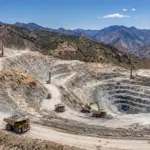
Copper's role in this "AI energy nexus" is fundamental. From the high-voltage transformers that step down power to the thick copper busbars and intricate wiring within server racks, the metal is the indispensable conductor of the intelligence age. For investors, this has turned mining stocks into a proxy play for the AI revolution, as the digital economy remains tethered to physical mineral extraction.


Supply Constraints: The Chilean Struggle and Operational Headwinds
While demand accelerates, the supply side of the equation is struggling to keep pace. Chile, the world's top producer, has seen its output stumble, with production down 9% year-on-year in recent reporting periods. Deteriorating ore grades, water scarcity, and aging infrastructure at state-owned Codelco and other major sites have made it increasingly difficult to maintain historical production levels.
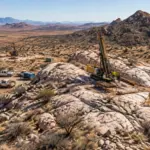
Operational disruptions are not limited to Chile. In Peru, the Las Bambas mine: a critical global supplier: has faced recurring logistical bottlenecks and community-related challenges that have repeatedly sidelined production. Furthermore, the market for copper concentrates has tightened significantly. Treatment and refining charges (TC/RCs), the fees miners pay smelters to process ore, have plummeted near zero, a clear signal that smelters are desperate for raw material.
Analyst Debate: JP Morgan vs. Goldman Sachs
The copper price forecast for 2026 is currently a subject of intense debate among Wall Street’s leading commodity desks.
- The Bull Case (JP Morgan/Morgan Stanley): These firms point to the structural deficit and the lack of a "supply response." They argue that even if prices spike, the 10-year lead time for new mines means supply cannot quickly fill the gap. JP Morgan sees prices averaging around $12,075 per tonne in 2026, with peaks reaching $13,500.
- The Bear Case (Goldman Sachs): Goldman analysts remain more cautious, suggesting a small surplus (~160,000 tonnes) is still possible if global manufacturing growth softens. They focus on the potential for "demand destruction" where high prices force manufacturers to substitute copper with aluminum.
Despite these differing views, a consensus is emerging that the floor for copper prices has shifted higher. The cost of production, combined with the strategic necessity of copper for the energy transition, makes a return to pre-pandemic price levels increasingly unlikely.

Policy and Trade: The Impact of Section 232 Tariffs
The 2026 outlook is further complicated by shifting trade policies. The U.S. government has recently applied Section 232 tariffs to semi-finished copper products. These tariffs, aimed at protecting domestic manufacturing and securing critical mineral supply chains, add a significant layer of cost for importers of copper rods, bars, and wire.
For the North American market, these tariffs could create a regional price premium. While intended to stimulate domestic production, the short-term impact may be higher costs for the very utilities and data center developers tasked with building out the AI and green energy grids. This policy environment reinforces the need for domestic resource development, such as West Virginia's rare earth and mineral processing initiatives.
The Road to 2040: A Widening Gap
The structural deficit projected for 2026 is likely the opening chapter of a much longer narrative. S&P Global’s projection of 42 million tonnes of demand by 2040 highlights the sheer scale of the challenge. To meet this demand, the industry requires an estimated $150 billion in new investment by 2030 alone.
| Data Point | 2026 Projection | Source/Analyst |
|---|---|---|
| Market Balance | 330,000 to 600,000-tonne deficit | JP Morgan / Morgan Stanley |
| AI Demand Contribution | ~475,000 tonnes | Industry Estimates |
| Chile Output Trend | -9% YoY decline | Production Reports |
| TC/RC Fees | Near zero | Spot Market Data |
| Price Target (Avg) | $12,075 / tonne | Consensus Base Case |
As we move toward the second half of the decade, the ability of the mining industry to navigate permitting hurdles and operational risks will determine whether the "AI revolution" hits a copper-clad ceiling. For now, the 2026 outlook remains one of high volatility and upward price pressure.

Social Media Snippet:
Copper is the new oil for the AI age. With JP Morgan forecasting a 330,000-tonne deficit and AI data centers alone driving nearly half a million tonnes of demand by 2026, the copper price forecast is reaching new heights. Are we prepared for the structural supply gap? #Copper #MiningNews #AIDemand #EnergyTransition #SkillingsMining