Critical Metals Corp (Nasdaq: CRML) has announced the completion of its preliminary review of the European Lithium Ltd (ASX: EUR) asset portfolio, marking a significant step toward the finalization of their multi-million-dollar merger. This review, a key requirement of the definitive agreement signed in May 2026, confirms the strategic alignment of the Wolfsberg Lithium Project in Austria with the company’s broader mission to secure critical mineral supply chains within the European Union.

The transaction, which is structured as a binding Scheme Implementation Deed, is currently on track for completion in the second half of 2026. Under the terms of the deal, European Lithium shareholders will receive 0.035 shares of Critical Metals Corp for every share of European Lithium held, valuing the transaction at approximately US$835 million.
Strengthening the European Battery Ecosystem
The completion of this preliminary review comes at a critical juncture for the European mining industry. As the EU pushes for greater mineral sovereignty under the Critical Raw Materials Act (CRMA), the Wolfsberg Lithium Project has emerged as a cornerstone of the regional strategy to reduce reliance on external imports, particularly from China.
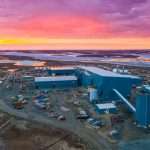
Wolfsberg is positioned as the first fully permitted lithium mine in Europe. Located in Carinthia, approximately 270 kilometers south of Vienna, the project benefits from established infrastructure, including robust road and rail access. The preliminary review confirmed that the project’s S-K 1300-compliant mineral resource and its completed Definitive Feasibility Study (DFS) provide a solid foundation for the next phase of development.
The integration of European Lithium into the Critical Metals Corp portfolio also brings 100% ownership of the Tanbreez Rare Earth Project in Greenland. This diversified asset base is designed to provide a steady supply of both lithium and rare earth elements, both of which are essential for the production of high-performance electric vehicle (EV) batteries and permanent magnets. This strategic move mirrors broader trends in the industry where producers are seeking to insulate themselves from the antimony and defense-related supply squeezes and other geopolitical vulnerabilities.
More Read
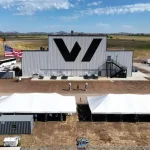


Wolfsberg Project: Regulatory Landscape and Technical Status
While the preliminary review has been successfully completed, the project faces a unique regulatory environment in Austria. In late 2025, the Austrian Federal Administrative Court issued a ruling regarding the Environmental Impact Assessment (EIA) requirements for the “Koralpe Lithium Mining” section of the Wolfsberg development.
The court overturned a previous state-level ruling that had exempted the project from a full EIA based on its size. Under EU law, the court determined that the project must undergo a case-by-case review to assess potential environmental impacts, rather than relying on a static 10-hectare threshold.
More Read
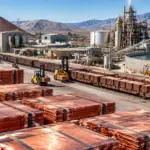
Critical Metals Corp has emphasized that this review does not automatically mandate a full EIA but requires a reassessment by the Carinthian state government. Despite this pending administrative step, the company maintains that the mine remains fully licensed and that the existing permits provide sufficient operational security to proceed with project financing and off-take discussions.
The technical viability of Wolfsberg remains a key driver of investor interest. The deposit is a hard-rock spodumene source, which is generally considered more stable for processing into lithium hydroxide than brine-based sources. For a deeper look at the market dynamics influencing these developments, see our lithium price forecast 2026.
Strategic Milestones for H2 2026
The roadmap for the remainder of 2026 is densely packed with milestones. The next major hurdle is the European Lithium shareholder meeting, scheduled for the third quarter of 2026. Shareholders will vote on the Scheme of Arrangement, which requires both a majority in number and at least 75% of the votes cast.
Following shareholder approval, the companies will seek final court sanction in Australia to implement the scheme. Once completed, Critical Metals Corp will consolidate its position as a leading pure-play critical metals developer on the Nasdaq, providing investors with direct exposure to the European energy transition.
Table 1: Key Transaction and Project Milestones (2026)
| Milestone | Status | Expected Timing |
|---|---|---|
| Definitive Agreement Signed | Completed | May 2026 |
| Preliminary Asset Review | Completed | July 2026 |
| Scheme Meeting (Shareholder Vote) | Pending | Q3 2026 |
| Final Court Approval (Australia) | Pending | Q4 2026 |
| Transaction Completion | Pending | H2 2026 |
| Wolfsberg Case-by-Case EIA Review | Ongoing | TBD |

Market Implications and Regional Impact
The completion of the preliminary review signalizes to the market that the due diligence phase has not uncovered any “deal-breakers” that would jeopardize the merger. This is particularly important for institutional investors who are increasingly focused on the ESG (Environmental, Social, and Governance) profiles of mining projects.
By aligning with the EU’s CRMA targets, Critical Metals Corp is positioning Wolfsberg as a “Strategic Project.” This designation can lead to accelerated permitting processes and access to European financing mechanisms designed to de-risk the regional supply chain. The project’s proximity to burgeoning “battery valley” hubs in Germany and Hungary provides a logistical advantage that reduces both the carbon footprint and the cost of transport compared to importing material from South America or Australia.
Furthermore, the acquisition of the Tanbreez project provides a secondary lever for growth. As the race for rare earth magnets intensifies, having a secure, Western-aligned source of these minerals is becoming a primary requirement for European automotive OEMs (Original Equipment Manufacturers).

Infrastructure and Technological Integration
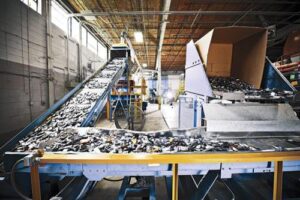
The Wolfsberg site is not merely an extraction project; it is envisioned as a fully integrated production hub. The preliminary review assessed the integration of advanced sorting and processing technologies intended to maximize recovery rates and minimize waste.
The use of sensor-based ore sorting at the mine site is expected to significantly reduce the volume of material transported to the processing plant, thereby lowering energy consumption and operational costs. This focus on technological efficiency is a hallmark of modern European mining operations, which must balance high labor costs with sophisticated automation to remain competitive on the global stage.

2026 Outlook: The Path to Production
As Critical Metals Corp moves toward the closing of the European Lithium acquisition, the industry will be watching the Austrian regulatory response closely. The successful resolution of the EIA case-by-case review will be the final green light required for the commencement of full-scale construction at Wolfsberg.
Investors should monitor the upcoming Q3 shareholder meeting as the next high-impact catalyst. If approved, the merger will create a formidable entity capable of challenging established lithium producers by offering a localized, ESG-compliant alternative for the European market.
For operators and investors, the Critical Metals-European Lithium deal serves as a bellwether for the “on-shoring” of critical mineral supply chains. It highlights the complexities of navigating European environmental law while underscoring the immense strategic value of permitted, high-grade assets in stable jurisdictions.