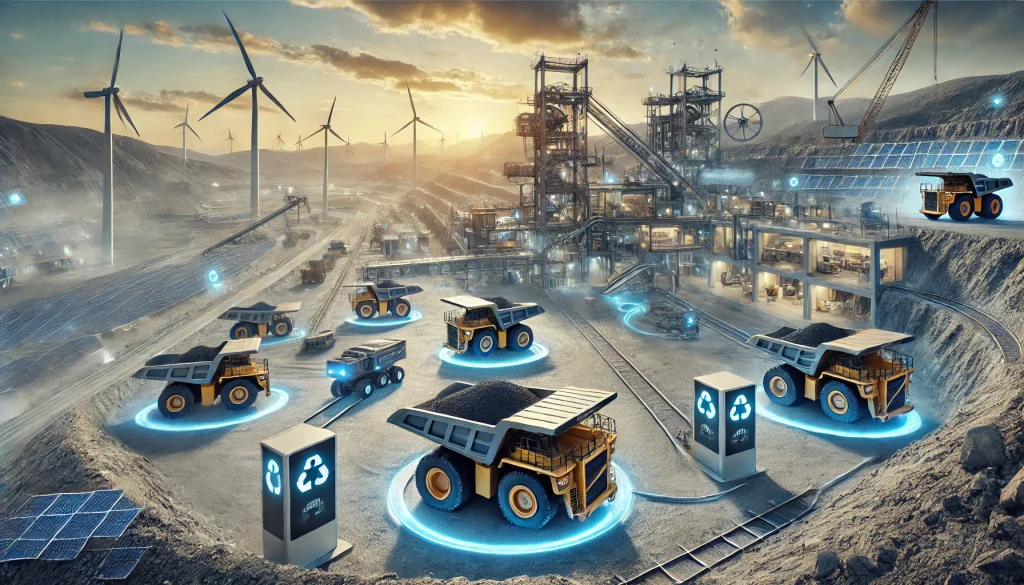
The mining industry, historically reliant on diesel, is at a critical juncture as it faces increasing pressure to align with global sustainability and net-zero targets. Transitioning from diesel is both an environmental necessity and a strategic business move, aimed at reducing operational costs and enhancing long-term profitability. This report explores how mining firms are evolving their energy strategies and the technologies driving this shift.

The Environmental and Economic Imperative
Diesel has long powered mining operations, fueling equipment from haul trucks to loaders. However, this dependency has significant environmental and economic drawbacks. Diesel not only contributes substantially to greenhouse gas emissions but also constitutes a major operational expense. In Australia alone, the mining industry consumes approximately five billion liters of diesel annually—about 10% of the country’s total energy usage.
To meet climate commitments, mining companies are exploring alternatives like electrification, hydrogen fuel cells, and advanced battery systems. These technologies promise emissions reductions while also cutting costs associated with fuel and maintenance.
The Three Horizons Model: A Phased Approach to Transition
Transitioning away from diesel requires a structured, multi-phase approach. The “three horizons” model has emerged as a strategic framework for mining companies, guiding them through the complexities of this energy transition.
Horizon One (2021-2030): Reducing Diesel Usage
In the initial phase, mining firms focus on reducing diesel consumption through immediate, actionable measures. Technologies like trolley assist systems, which use overhead electric lines to power vehicles on inclines, are being deployed, cutting diesel use by up to 90% during uphill operations. Electrifying key equipment, such as haul trucks and loaders, establishes a foundation for future development.
More Read
Hydrogen fuel cells and battery-electric vehicles (BEVs) are also gaining traction. For instance, Newmont’s Borden mine in Canada has replaced its diesel fleets with battery-powered machinery, achieving significant emission reductions and improving worker safety.

Horizon Two (2030-2040): Scaling Alternatives and Avoiding Diesel
The second horizon builds on the progress of the first, integrating advanced battery storage and hydrogen technologies as they become more commercially viable. Some mining firms are now trialing hybrid systems that combine hydrogen-powered trucks and batteries, as seen in a South African platinum mine.
Collaboration between mining companies and equipment manufacturers is essential in this phase, particularly as they seek to develop new hydrogen-powered machinery like excavators. Expanding partnerships beyond traditional suppliers is crucial for broadening options and accelerating diesel-reduction efforts.
More Read
Horizon Three (2040-2050): Phasing Out Diesel Entirely
The final phase envisions a future without diesel in mining operations. Achieving this will require the electrification of not only in-pit equipment but also long-haul transport systems, such as rail networks. Inductive charging—technology used in electric buses and Formula E circuits—is a potential solution being considered. This system could enable vehicles to recharge wirelessly, either while stationary or in motion, offering a transformative opportunity for the mining sector.
The Economic Case for Electrification
The shift away from diesel presents significant economic benefits beyond emission reductions. Electrification can substantially lower maintenance costs, as electric vehicles (EVs) have fewer moving parts, reducing the need for upkeep. Moreover, electrification improves air quality and reduces the need for extensive ventilation systems in underground mines, where ventilation can account for up to 50% of total energy use.
With global demand for critical minerals rising, especially for green technologies like EVs and solar panels, mining companies that adopt sustainable practices are positioning themselves for long-term success. Electrification not only reduces carbon footprints but also strengthens a company’s competitive standing in a rapidly evolving market.
Navigating Challenges and Opportunities Ahead
While the potential benefits are clear, electrification in mining presents significant hurdles. The process demands large investments in new infrastructure, including renewable energy sources and charging systems, and requires retrofitting existing fleets and equipment. Mining companies must also manage the increased electricity demand, necessitating reliable and stable power supplies to maintain efficient operations.
Collaboration with technology providers and energy experts is crucial. By forming strategic alliances, mining companies can devise tailored, scalable solutions that align with their decarbonization goals without disrupting operations. These partnerships are vital in overcoming technological and logistical barriers and ensuring a smooth transition away from diesel.
The mining sector’s journey toward electrification is essential for meeting sustainability goals and driving economic evolution. As technologies advance and become more accessible, proactive mining companies will be better positioned to meet regulatory requirements, reduce costs, and secure competitive advantages. The roadmap—reduce, replace, and eventually eliminate diesel—is ambitious but offers a clear and transformative path forward.
By leading this energy revolution, the mining industry has the opportunity to significantly reduce its environmental impact and set a precedent for other heavy industries. As it transitions toward a sustainable future, mining can play a pivotal role in developing the global green economy, aligning profitability with environmental stewardship.