Key Takeaways

- Nickel prices have slumped to five-year lows, triggering smelter shutdowns in Indonesia.
- Oversupply and softening EV battery demand are undermining Indonesia’s dominance.
- Ore shortages and policy missteps are forcing companies to cut output or import feedstock.
- Up to 400,000 tonnes of nickel production is at risk, according to industry officials.
At Indonesia’s sprawling Morowali Industrial Park—once the beating heart of its nickel strategy—the silence of idle furnaces is a warning bell. Global nickel prices have dropped to their lowest levels in half a decade, eroding margins and forcing the world’s top producer into retreat.
After a state-led push turned the country into the biggest player in refined nickel, Indonesia now finds itself oversupplied and under pressure. With ore in short supply and global demand shifting, the country’s mining strategy is confronting its limits.
Oversupply Meets Ore Shortage
Since banning nickel ore exports in 2020, Indonesia has built dozens of refineries to climb the value chain. But now the country’s own smelters are competing for a dwindling domestic ore supply. “What they’ve done is they’ve overexpanded,” said Jim Lennon of Macquarie.
More Read
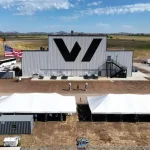
Indonesia produced 2.2 million tonnes of refined nickel in 2024. Another 1.5 million tonnes are expected to come online—just as nickel prices crash on the London Metal Exchange.

https://www.tssgroup.com.cn/en/Huadi Nickel Alloy and Wanxiang Nickel Indonesia have reportedly shuttered production lines. Tsingshan Holding Group, the dominant Chinese player at Morowali, is said to be operating below capacity.
Costs Climb as Demand Cools
More Read
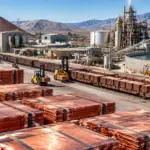
Local ore prices have soared, eating into profits. Jakarta’s royalty hike on nickel production added to the burden. Meanwhile, relentless rainfall in Sulawesi disrupted mining operations, compounding the squeeze.
“The smaller smelters will shut down,” warned Meidy Katrin Lengkey of the APNI. A senior executive pegged the potential fallout at 400,000 tonnes of lost nickel output if conditions persist.
Complicating matters, EV battery producers are shifting to lithium iron phosphate (LFP) chemistries. These batteries, cheaper and nickel-free, are gaining traction in China and India—cutting into one of nickel’s growth drivers.
Strategic Reset Incoming?
Some Indonesian refiners are now importing ore from the Philippines—a reversal of the original self-sufficiency plan. Others are racing to acquire domestic mining rights to stay afloat.
The Indonesian government continues to approve new smelter permits, but industry associations are calling for a pause. “How can you make huge investments without securing raw material supply?” asked one executive.
Though the Ministry of Energy has dismissed the downturn as temporary, the industry sees deeper trouble ahead.
Outlook: The Nickel Gamble Turns Risky
With nickel prices tumbling and demand shifts accelerating, Indonesia’s once-unassailable position is vulnerable. The downstream strategy that once reshaped the global nickel market may now require painful consolidation.
If Indonesia can’t align its ore production with realistic downstream capacity—and global market trends—it risks ceding leadership just as quickly as it seized it.