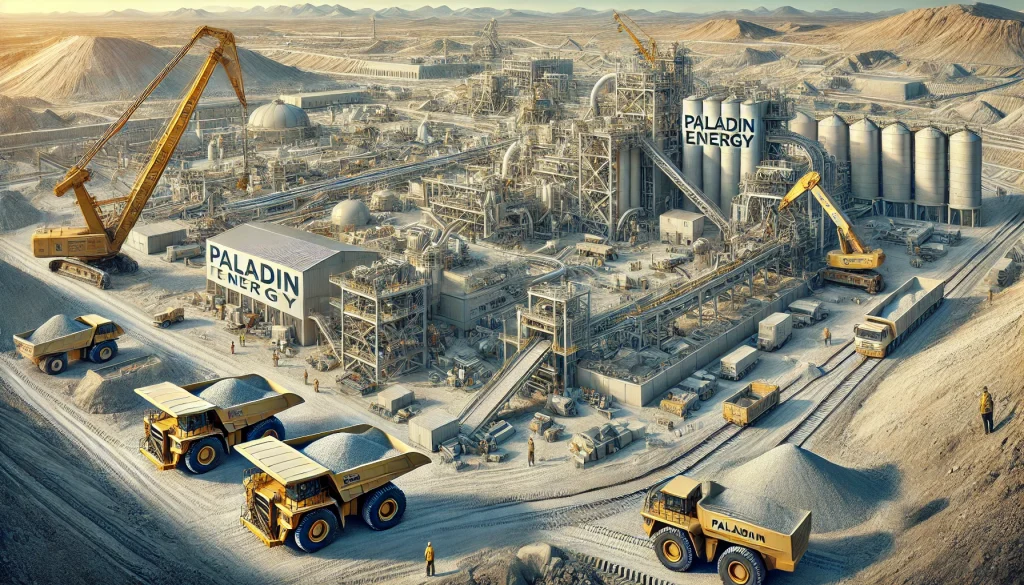
Australia-based uranium producer Paladin Energy has raised concerns over a significant Uranium supply gap in the global market, forecasting an annual shortfall of over 50 million pounds for the next decade. This stark warning, issued during the company’s annual general meeting, underscores the challenges confronting a sector integral to the future of nuclear energy.

Nuclear Energy Surge Fuels Uranium Supply Concerns
Paladin Chairperson Cliff Lawrenson highlighted the growing divide between rising nuclear energy ambitions and lagging investment in uranium production. With over 60 nuclear reactors under construction worldwide, the demand for uranium is set to soar.
China is leading the charge, with its share of global nuclear demand expected to climb from 15% to 33% by 2040. This expansion reflects a global pivot toward nuclear energy as a low-carbon alternative to fossil fuels, amplifying pressure on existing Uranium supply chains to meet the rising demand.
Related News
- Blue Moon Metals Secures Norwegian Copper Assets, Strengthens Energy Transition Focus
- Tharisa to rerate when it solves funding for Zimbabwe project
- Saudi Arabia Secures $9 Billion in Metals Deals as Part of Vision 2030 Diversification Push
Geopolitical Shifts and Uranium Market Volatility
Recent geopolitical developments, including the U.S. ban on Russian uranium imports, have further complicated the global uranium landscape. Lawrenson stressed the importance of diversified uranium production to stabilize the market and reduce dependency on a limited number of suppliers.
As nations prioritize energy security, producers like Paladin Energy are positioned to play a pivotal role. However, years of underinvestment in uranium mining remain a significant barrier to bridging the supply-demand gap.
More Read
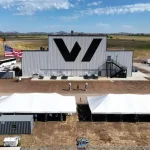
Paladin Energy’s Langer Heinrich Mine Addresses Uranium Supply Challenges
Paladin Energy’s Langer Heinrich mine in Namibia is central to the company’s strategy to combat the Uranium supply shortfall. Having resumed commercial production in March 2024, the mine shipped its first uranium output in July, marking a milestone in the company’s recovery.

Currently in a 21-month ramp-up phase, the mine is expected to reach full production by the end of 2025, contributing 6 million pounds of uranium annually. However, the company recently revised its production forecast for the ramp-up phase, reducing it to between 3 million and 3.6 million pounds from an earlier projection of 4 million to 4.5 million pounds, citing operational challenges.
Despite these temporary setbacks, Paladin remains optimistic. Lawrenson stated that the Langer Heinrich mine is well-positioned to meet demand in an increasingly tight market supported by rising uranium prices.
More Read

The Global Uranium Supply Crunch: Challenges and Opportunities
The global Uranium supply crunch is rooted in decades of insufficient investment in exploration and development. The industry’s cyclical nature and extended periods of low prices have discouraged new projects, leaving the market unprepared for surging demand driven by nuclear energy growth.
Analysts are closely monitoring geopolitical influences, such as the U.S. ban on Russian uranium imports, which has exacerbated market tightness. These dynamics present risks but also opportunities for producers like Paladin, which benefit from diversified supply sources and established operations.
The Langer Heinrich mine exemplifies the potential of reactivating dormant facilities to address supply shortages. However, industry-wide solutions will require accelerated investments in exploration, development, and technological advancements to ensure sustainable production levels.
Conclusion: Bridging the Uranium Supply Gap
Paladin Energy’s projection of a severe Uranium supply shortfall underscores the urgent need for renewed investment in the sector. As nuclear energy gains momentum as a cornerstone of global decarbonization efforts, the mismatch between supply and demand could threaten energy security and slow progress toward climate goals.
While the Langer Heinrich mine’s ramp-up represents a critical step, it is clear that a broader industry commitment is necessary. Addressing the Uranium supply gap will demand collaboration, innovation, and strategic investments to secure a sustainable future for global nuclear energy.