
Pensana Plc has announced that it has secured full financing—approximately US$268 million—for the Longonjo rare earth project in Angola, marking a critical milestone for one of Africa’s most strategically significant mining initiatives. The funding package combines senior debt and equity contributions from major investors including the Africa Finance Corporation (AFC), South Africa’s Absa Bank, and the Angolan Sovereign Wealth Fund (FSDEA).

AFC and Absa Lead Debt Facility for Phase 1 Development
AFC’s board has approved its US$81.2 million participation in a US$160 million syndicated loan facility, co-led with Absa Bank Limited, to fund Phase 1 of the Longonjo rare earth project. The facility, which is subject to final documentation and conditions precedent, will account for approximately 60% of the capital required for the initial development phase.
The funds will be directed to Pensana’s 84%-owned subsidiary, Ozango Minerais SA, to fast-track development of the Longonjo mine—one of the few globally significant rare earth deposits outside China. The move marks an important step toward reducing the world’s reliance on Chinese supply chains for materials critical to the global energy transition.
Related News
- Aluminum Prices Stall Amid Tariff Pressures and Geopolitical Volatility
- Silver Prices Surge Amid Strong Industrial Demand and Investor Interest
- Arizona Lithium Targets $2M Raise for Prairie Direct Extraction Project
- Antares Identifies New Copper Targets at Conglomerate Creek
FSDEA and AFC Anchor Equity Commitments
In addition to the debt financing, the remaining Phase 1 funding will come from equity investments. FSDEA has committed US$38 million through a combination of direct equity and a convertible loan, while AFC will contribute US$54.9 million in the form of a convertible loan. These investments at the subsidiary level are also subject to final agreements and completion of regulatory conditions.
FSDEA Chairman Armando Manuel highlighted the importance of the project, stating:
More Read
“The Longonjo Mining Project holds strategic significance for the FSDEA as part of its commitment to advancing the national mining sector. Beyond its substantial economic impact—such as job creation and tax revenues—the project plays a crucial role in establishing in Angola a key segment of the value chain for an industry essential to the global energy transition.”
Strategic Importance of the Longonjo Rare Earth Project
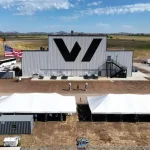
Located near the town of Longonjo in central Angola, the Longonjo rare earth project is considered one of the most advanced and economically viable rare earth mining ventures on the continent. It will focus on producing neodymium and praseodymium (NdPr)—essential components in permanent magnets used for wind turbines, electric vehicles, and other low-carbon technologies.

With growing geopolitical pressure to diversify rare earth supply chains, Longonjo’s development positions Angola as a key player in the future of sustainable energy. Pensana’s project is expected to create hundreds of local jobs, drive tax revenue, and contribute to economic diversification in a country long reliant on oil exports.
A Model for Public-Private Collaboration in Africa
The successful financial close for the Longonjo rare earth project underscores a growing trend of collaboration between sovereign wealth funds, development finance institutions, and commercial banks in Africa’s mining sector. With backing from the FSDEA, AFC, and Absa Bank, the project demonstrates the viability of public-private partnerships in unlocking the continent’s mineral potential.
More Read

“This initiative represents a concerted effort to foster sustainable growth, enhance local capabilities, and reinforce Angola’s position in the international mining landscape,” Manuel added.
Outlook: Next Steps Toward Production
With full financing in place, Pensana is expected to commence construction activities shortly, aiming to begin production in the coming years. The Longonjo rare earth project could play a critical role in supplying the global market with essential clean energy materials, helping to reduce dependency on traditional mineral-exporting countries.
As global demand for rare earths continues to surge, Angola’s Longonjo deposit could become a cornerstone of a more diversified and resilient international supply chain—cementing its status as a strategic asset for both Africa and the broader global economy.