The mining industry, long known for its physically demanding and hazardous working conditions, is undergoing a significant transformation. A recent review published in Machines provides a comprehensive analysis of how automation technologies are reshaping mining operations. From autonomous haul trucks to AI-powered decision-making systems, these innovations promise to revolutionize the industry by enhancing efficiency, boosting productivity, and improving safety standards.

Evolution of Automation in Mining
Historically, mining has relied on labor-intensive processes, often requiring manual work in harsh and dangerous environments. However, over the past few decades, the sector has seen a gradual shift toward mechanization and automation. Early advancements focused on machinery for excavation and transportation, but today’s automation solutions go beyond mere mechanization. They include sophisticated technologies such as robotic systems, artificial intelligence (AI), and advanced data analytics that optimize every aspect of the mining process.
One key benefit of automation is its ability to reduce reliance on human labor for hazardous tasks. Automated systems can operate continuously and with greater precision, minimizing the risks of human error and accidents. Moreover, these systems can function in environments that would be unsafe or inaccessible for human workers, enabling mining companies to extract resources more efficiently and safely.
Key Technologies Driving Automation
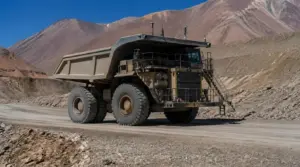
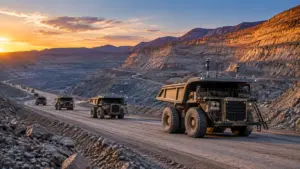
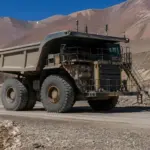
The review highlights several critical technologies currently in use or under development in the mining sector. Among these, Automated Haul Truck Systems (AHS) stand out as a game-changer for surface mining. These trucks, equipped with advanced navigation systems, can autonomously transport materials across a mine site, optimizing haulage routes and reducing fuel consumption. By eliminating the need for human drivers, AHS can lower operational costs and enhance overall productivity.
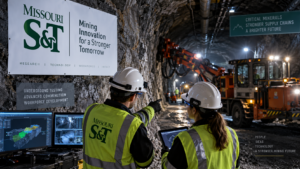
Robotic systems are also becoming integral to underground mining operations, where the risks of collapse, poor ventilation, and limited communication pose serious challenges. Autonomous robots equipped with sensors and AI algorithms can navigate complex underground environments, collect data, perform inspections, and even carry out mining tasks. The review cites studies demonstrating how these robots enhance safety by reducing the need for human workers in dangerous underground settings.
More Read

Another area of focus is the role of AI and machine learning in predictive maintenance and real-time monitoring. AI systems can analyze vast amounts of operational data to identify patterns and predict equipment failures before they occur. This capability not only reduces costly downtime but also improves the longevity of machinery, making mining operations more cost-effective.

Addressing Safety and Human Factors
While automation has the potential to dramatically improve safety in mining, the review stresses the importance of considering the human factors involved in the transition to automated systems. As automated technologies are integrated into mine operations, workers must be retrained and familiarized with new workflows. Failure to adequately address these human factors could lead to resistance, safety oversights, and inefficiencies.
The review also calls for the establishment of industry-specific safety protocols to ensure that human workers can coexist with automated systems. While formal safety standards for robotics have already been established in industries such as automotive manufacturing, mining presents unique challenges due to its dynamic and hazardous nature. For example, underground environments often have limited communication infrastructure, making coordination between humans and machines particularly challenging.
Overcoming Challenges in Underground Automation
Underground mining poses unique challenges for automation, particularly in terms of navigation and communication. In these environments, radio signals can be blocked by dense rock formations, limiting the effectiveness of traditional GPS systems. The review highlights promising research into localization technologies such as radio frequency identification (RFID) and sensor-based systems that enable more precise tracking of equipment and workers underground.
The development of collaborative robots, or cobots, offers another promising avenue. These robots are designed to work alongside human operators in shared spaces without the need for physical barriers, enhancing productivity while maintaining safety. Cobots could be especially useful in underground mining, where human-robot collaboration could mitigate some of the risks associated with working in confined and hazardous spaces.
The Path Forward for Mining Automation
The review concludes by emphasizing the need for continued innovation and research to address the current limitations of mining automation. While significant progress has been made, particularly in surface mining, underground automation still faces numerous technical challenges, especially in communication and localization.
Collaboration between technology developers, mining companies, and regulators will be crucial in overcoming these obstacles. The authors advocate for a multidisciplinary approach that considers both technological advancements and the human factors that will ultimately determine the success of automation in mining.
Automation is set to revolutionize the mining industry, offering a path toward safer and more efficient operations. As the review in Machines highlights, the integration of technologies like robotic systems, AI, and advanced data analytics holds the potential to transform mining from a labor-intensive, high-risk industry into a more streamlined, technology-driven one. However, the path to full automation will require careful consideration of both the technical and human factors involved, as well as the development of safety standards tailored to the unique challenges of mining.
With continued innovation and collaboration, the future of mining automation looks promising. The next phase of this transformation could not only improve safety and efficiency but also contribute to the industry’s sustainability goals, ensuring that the sector can meet the growing global demand for raw materials while minimizing its environmental footprint.