Key Takeaways

- Rio Tinto earnings 2025 show $11.5B EBITDA and $6.9B cash flow despite weaker iron ore prices.
- Copper and aluminium units lifted results, offsetting storm disruptions and pricing headwinds.
- Net earnings fell 22% to $4.5B; net debt more than tripled to $14.6B.
- Interim dividend of $2.4B maintained; Simandou first shipment expected November.
- Strategic growth in lithium and ESG execution bolstered portfolio diversification.
Rio Tinto earnings 2025 surprised markets with resilient cash flow and robust operational performance, despite iron ore prices falling 13% year-over-year and cyclone-related disruptions in Australia’s Pilbara region.
The miner reported $11.5 billion in EBITDA and $6.9 billion in operating cash flow, leveraging record bauxite output and a 54% copper production increase at Oyu Tolgoi. A $2.4 billion interim dividend — 50% of earnings — was declared.
“We are delivering very resilient financial results with an improving operational performance helped by our increasingly diversified portfolio,” said Chief Executive Jakob Stausholm.
Copper, Aluminium Anchor Rio Tinto Earnings 2025
The Rio Tinto earnings 2025 release marks a pivot away from iron ore dominance. Aluminium output from Amrun and Gove surged to record levels, while copper drove year-over-year performance gains.
More Read
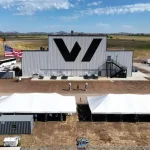
Rio Tinto’s acquisition of Arcadium Lithium for $6.7 billion closed in March. New joint ventures with Chile’s Codelco and ENAMI expand its footprint in the energy transition metals space.

Pressures Linger Despite Headline Resilience
While EBITDA held firm, net earnings dropped 22% to $4.5 billion and free cash flow fell 31% to $1.96 billion. Capital spending rose 18% to $4.7 billion, and net debt jumped 166% to $14.6 billion — a reflection of growth investment.
Pilbara operations recorded the strongest Q2 production since 2018, but utilization remained constrained due to earlier cyclone damage.
More Read

ESG, Indigenous Partnerships Central to Growth Plan
Rio Tinto earnings 2025 also detailed steps on decarbonization and cultural engagement. Scope 1 and 2 emissions are down 14% from 2018. A $253 million spend backs low-emission smelting and solar infrastructure in Gladstone.
In May, Rio signed a landmark co-management agreement with the Puutu Kunti Kurrama and Pinikura people. It also finalized a social, cultural and heritage management plan with the Yinhawangka Traditional Owners at Western Range.
Looking Ahead: Diversification Tested by Leverage
Simandou’s first shipment remains on schedule for November. Construction at Hope Downs 2 and Brockman Syncline 1 is underway. With capex climbing and debt mounting, execution will be under scrutiny.
Still, Rio Tinto earnings 2025 affirm a long-term shift: away from iron ore dependence and toward a diversified base ready for energy transition demand.
“We remain on track to deliver strong mid-term production growth,” Stausholm said, “with solid foundations in place and a diverse pipeline of options for the future.”