By Charles Pitts

The global silver market has entered a period of unprecedented volatility and upward momentum, characterized by a fundamental “divorce” from gold’s price action and a tightening of physical supply that hasn’t been seen in decades. As of mid-2026, the silver price has moved beyond historical resistance levels, driven by a convergence of structural deficits and acute supply shocks in South America.
While 2025 saw silver rise approximately 130% to end the year above $70/oz, the narrative for 2026 is no longer about a recovery, but a sustained breakout. This shift is rooted in the reality that the world has entered its sixth consecutive year of a global silver deficit. With inventories at exchanges and refiners being drawn down to meet the insatiable appetite of the “energy nexus”: comprising solar photovoltaics, electric vehicles (EVs), and AI-driven data centers: the margin for error in the supply chain has vanished.
The Peru factor: A supply crisis in a tight market
The most immediate catalyst for the 2026 breakout has been a significant supply disruption in Peru, the world’s third-largest silver producer. For much of the first half of 2026, Peru’s mining sector has faced a combination of localized strikes, regulatory delays, and logistical bottlenecks that have removed an estimated 15% of the country’s monthly output from the global market.
In a balanced market, such a disruption might be absorbed by existing stockpiles. However, the structural deficit in the silver market has already depleted most “easy” above-ground stocks. In 2024 and 2025, the gap between supply and demand averaged between 100 million and 250 million ounces per year. When Peru’s primary silver and zinc mines slowed production, the deficit widened to levels that forced industrial buyers to bid aggressively for physical delivery.
More Read

This supply shock is particularly impactful because silver is largely mined as a by-product of other metals like copper, lead, and zinc. Approximately 72% of global silver production is tied to the mining of these base metals. Consequently, even as silver prices spike toward triple digits, producers cannot simply “turn on” more silver production without also increasing their output of copper or zinc: a process that requires years of capital expenditure and permitting. This inelasticity means that the supply side is unable to respond to price signals with the speed the market requires.


Industrial momentum: Beyond solar and into AI
The demand side of the 2026 breakout is equally transformative. For years, the primary industrial narrative for silver focused on solar photovoltaics (PV). In 2026, while solar remains a massive consumer: accounting for nearly 25% of annual demand: the focus has expanded to include the infrastructure required for the global AI boom and the energy transition.
More Read
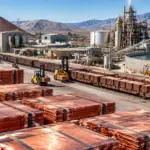
Silver’s unique property as the most electrically conductive metal makes it indispensable for high-performance computing and power management.
- AI and Data Centers: High-speed processors and the power distribution units within modern AI data centers require high-purity silver for connectors and solder. As tech giants accelerate their hardware deployments, the demand for silver in these high-margin applications has proven to be “price-insensitive.”
- The EV Ecosystem: Beyond the silver used in the vehicles themselves: for sensors, batteries, and control units: the massive expansion of charging infrastructure has created a secondary wave of demand.
- Power Grid Modernization: As nations move toward more decentralized power grids to accommodate renewables, the need for silver-coated components in high-voltage switches and transformers has surged.
While some analysts, including those at the CPM Group, have warned that high prices could lead to “thrifting” (using less silver per unit) or substitution in lower-end applications, the 2026 reality is that in high-performance sectors like AI and advanced solar cells (such as TOPCon and HJT technology), silver remains technically superior and difficult to replace without significant performance losses.
The by-product problem: Why supply remains constrained
The inability of the mining industry to meet this demand is a legacy of underinvestment in primary silver exploration. Total mine supply has plateaued, and in some cases, started to decline from its 2016 peak of approximately 900 million ounces. In 2025, global mine output was estimated at only 835 million ounces, with 2026 expected to see further stagnation.
This bottleneck is exacerbated by the geopolitical shift toward resource nationalism. Peru’s strategic pivot and similar movements in Mexico and China have tightened export licenses and increased the tax burden on foreign operators. For decision-makers, the risk is no longer just the price of silver, but the security of the supply chain itself. Companies are now looking to domestic sources or “friend-shoring” to ensure they can meet their manufacturing targets.

Silver price prediction 2026: Drivers and forecast
The consensus among major financial institutions has shifted dramatically since the start of the year. While J.P. Morgan and Bank of America maintain conservative base cases due to the risk of substitution, the “bull case” scenario: driven by a deepening Peru-style shock and continued industrial appetite: sees silver testing triple-digit territory for the first time.
Below is the updated 2026 outlook based on current market intelligence:
| Scenario | 2026 Average Price | Primary Driver | Key Risks |
|---|---|---|---|
| Bull Case | $95 – $125/oz | Sustained Peru supply disruption + AI demand surge | Extreme price-driven demand destruction |
| Base Case | $75 – $90/oz | Ongoing structural deficit + moderate investment flows | Global economic slowdown affecting EVs |
| Bear Case | $55 – $65/oz | Major thrifting in solar + rapid Fed rate hikes | Increased scrap recycling flooding market |
As seen in the 2026 silver price prediction models, the “floor” for silver has moved significantly higher. Even in a bearish scenario, the cost of production and the rarity of high-grade primary silver deposits provide a level of support that was unimaginable five years ago.
Operational and investment implications
For mining operators, the 2026 breakout presents both an opportunity and a challenge. Operational efficiency has become paramount as All-In Sustaining Costs (AISC) have risen alongside energy and labor costs. Companies that have invested in autonomous haulage and advanced telemetry are better positioned to weather the volatility and capture the high margins offered by current spot prices.
For investors, the narrative has shifted from “gold’s little brother” to a critical industrial mineral. The decoupling of silver from gold’s price movements suggests that investors are finally pricing silver based on its industrial utility rather than just its status as a monetary asset. However, the potential for high-price-driven demand destruction remains the primary risk to the upside. If silver reaches $120/oz, the economic incentive for manufacturers to find alternatives becomes immense, potentially leading to a sharp correction in the late 2026 or 2027 period.

Conclusion
The 2026 silver breakout is the result of a “perfect storm” where decades of supply neglect have finally met an unyielding wall of industrial demand. The supply shock in Peru served as the match that lit the fire, but the fuel was already stacked high through years of structural deficits. Whether silver maintains its current trajectory toward triple digits or stabilizes at these elevated levels will depend on the industry’s ability to unlock new supply in a geopolitically complex landscape. For now, the “silver age” of the energy transition is firmly underway, and the market shows few signs of looking back.