By Penny Laneford | January 20, 2026 | 5:00 AM ET

Gold and silver are doing something that has traders spilling their morning coffee. As of Jan. 20 spot, gold prints $4,682 (up 1.88%) and silver is sitting at $93.60 (up 5.73%). LME copper is the odd one out today at $12,803, still firm, just not doing the same fireworks routine.
This is your Monday morning mining news briefing. Today’s main shove in the tape is BHP’s operational review, with markets chewing on what it implies for volumes, costs, and the broader base-metals mood. Buckle up.
Gold Breaks Records on Inflation Relief
The yellow metal is on an absolute tear right now. Gold settled at a record-breaking $4,616 per ounce on January 14, then kept climbing. By January 16, prices were nudging $4,650, levels that seemed almost absurd just 18 months ago.
The catalyst? A softer-than-expected Consumer Price Index reading for December. Core inflation rose just 0.2% month-over-month against a consensus forecast of 0.3%, while the annual rate cooled to 2.6%. That might sound like nerdy economic minutiae, but for precious metals traders, it was a starting gun.
More Read

The market immediately recalibrated its Federal Reserve expectations. Bets on a potential March rate cut surged, and the U.S. dollar weakened in response. When the dollar dips, gold typically does the opposite. And boy, did it ever.

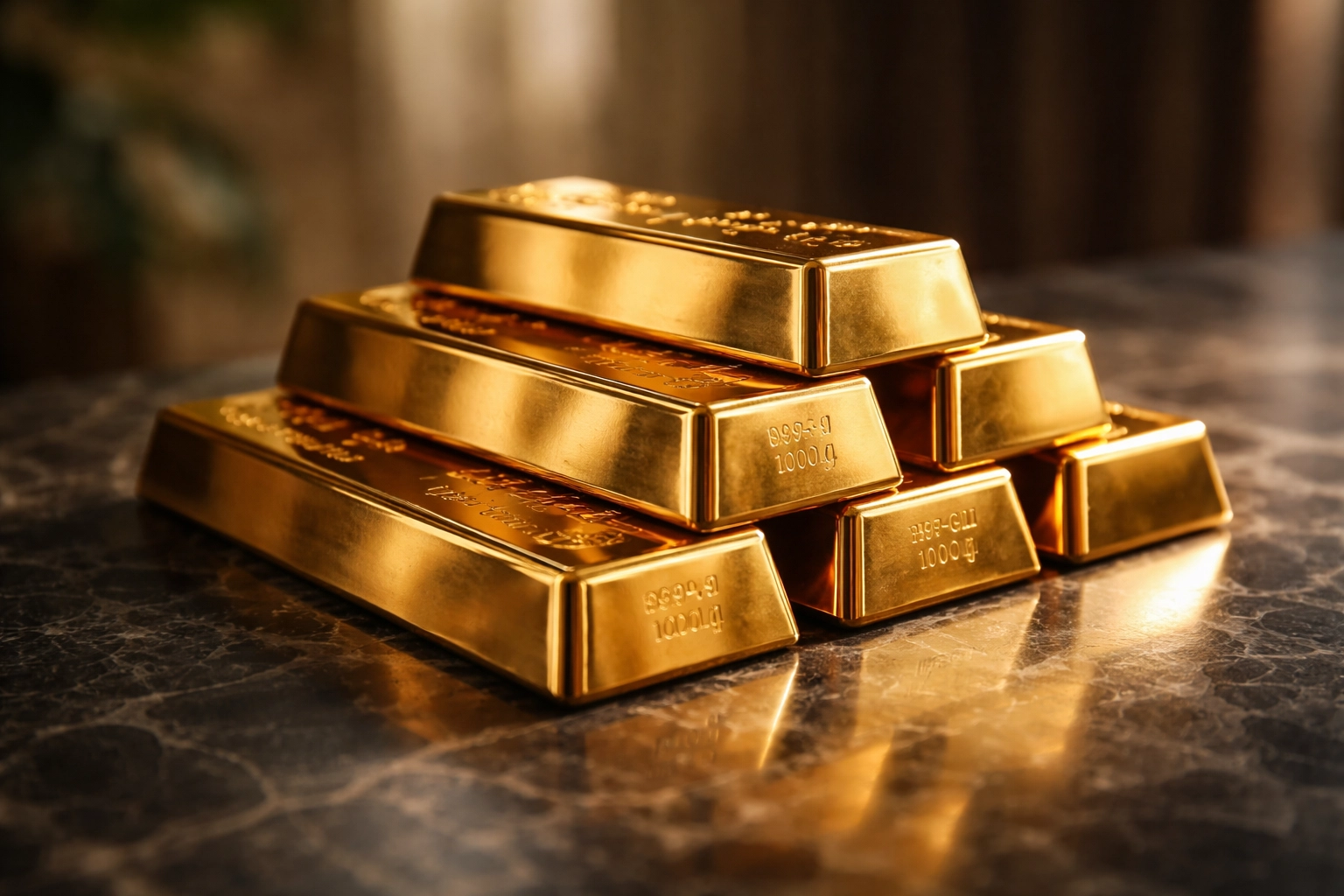
UBS analysts are now projecting gold could hit $5,000 per ounce by the end of Q1 2026. That is not a typo. Five thousand dollars for a single ounce of gold. For mining companies with gold exposure, this is the kind of price environment that transforms marginal deposits into profit machines overnight.
More Read

The implications for exploration budgets and project financing are enormous. Expect to see a flurry of activity from junior miners racing to capitalize on these prices before the window potentially closes.
Silver Steals the Show
If gold is having a moment, silver is having an entire era. The white metal surged nearly 7% on January 14 alone, closing near $92.80 per ounce. By the end of last week, it had topped $93.
This is not just about monetary policy. Silver is facing a genuine supply squeeze that has physical traders sweating. China, the world’s second-largest silver producer, has quietly tightened restrictions on silver exports. When you combine that with explosive industrial demand from solar panel manufacturers and electronics producers, you get a market that is structurally tight in ways that purely monetary metals like gold are not.
Bank of America has issued a jaw-dropping forecast: silver could trade anywhere between $135 and $309 per ounce in 2026. Even the low end of that range represents a 45% gain from current levels.
The $100 per ounce threshold is no longer a question of if, but when. And probably soon.

For silver miners, this is a generational opportunity. Companies that were struggling to justify expansion projects at $25 silver are now sitting on assets that pencil out beautifully at $90-plus. The math has fundamentally changed.
Primary silver producers are the obvious winners here, but do not sleep on the polymetallic operations. Many base metal mines produce silver as a byproduct, and those credits are suddenly worth a fortune.
Copper Finds Its Footing
Now for some relative calm. Copper has stabilized above $13,000 per metric ton, which sounds boring compared to the precious metals fireworks but is actually quite significant.
The red metal spent much of late 2024 and early 2025 on a rollercoaster, whipsawed by contradictory signals from China’s property sector and the accelerating global energy transition. Electric vehicles, renewable energy infrastructure, and grid upgrades all require massive amounts of copper, but demand from traditional construction has been wobbly.
Right now, those forces appear to be in equilibrium. Copper is holding steady, not surging, not collapsing. For industrial buyers trying to plan their 2026 procurement strategies, this stability is actually welcome news.
The bigger story for copper watchers is the ongoing consolidation wave sweeping through the sector. Major producers are eyeing acquisitions as they scramble to secure long-term supply. With few world-class copper deposits left to discover and permitting timelines stretching into decades, buying existing production makes more strategic sense than greenfield development for many majors.
What Is Driving This Rally
Let us zoom out for a second. Three forces are converging to create this precious metals supercycle:
Monetary Policy Expectations: The Federal Reserve spent 2024 and much of 2025 holding rates higher for longer than many anticipated. Now the tide appears to be turning. Softer inflation data has traders betting that cuts are coming, and precious metals love a dovish Fed. Lower rates mean lower opportunity costs for holding non-yielding assets like gold and silver.
Physical Supply Constraints: This is particularly acute in silver, where industrial demand is eating into available supply while mining output struggles to keep pace. China’s export restrictions have added fuel to an already smoldering fire. The market is tight, and it shows.
Safe Haven Demand: Geopolitical uncertainty has not exactly evaporated. From ongoing tensions in multiple regions to concerns about fiscal sustainability in major economies, there are plenty of reasons for investors to seek shelter in hard assets.
These factors are mutually reinforcing. Monetary easing expectations weaken the dollar, which boosts gold, which attracts more safe haven flows, which pushes prices higher, which encourages more speculative interest. It is a virtuous cycle for precious metals bulls.

The Profit-Taking Question
One note of caution for the early birds: precious metals experienced some volatility after the January 14 peak. Profit-taking set in as traders locked in gains, and shifting Fed rate-cut expectations created choppiness.
This is normal. Markets do not move in straight lines, especially after parabolic moves. Expect pullbacks, expect consolidation, expect moments of doubt. The question is whether the underlying fundamentals remain intact.
At this point, they appear to. Inflation is cooling but remains above the Fed’s 2% target. Rate cuts seem increasingly likely. Physical supply constraints in silver are not going away anytime soon. And geopolitical uncertainty is a permanent feature of the modern landscape, not a temporary bug.
Dip-buyers have been rewarded consistently during this rally. Whether that pattern holds is anyone’s guess, but the structural case for precious metals remains compelling.
What This Means for Mining Stocks
The equity markets have not fully caught up to spot metal prices. There is a persistent disconnect between where gold and silver are trading and where many mining stocks are valued. Some of this reflects skepticism about sustainability, some reflects sector-specific concerns about cost inflation and permitting challenges.
But if these prices hold, or heaven forbid go higher, the earnings revisions for precious metals miners are going to be spectacular. Companies are generating cash at levels that seemed impossible just a couple of years ago.
Junior mining companies in particular could benefit from renewed investor interest. When gold is pushing toward $5,000, even speculative exploration stories start to attract capital. We could be entering one of those rare windows where the entire precious metals food chain benefits simultaneously.
The Week Ahead
Here is what to watch in the coming days:
- Federal Reserve commentary: Any signals about the timing and pace of potential rate cuts will move metals markets.
- China economic data: The health of the world’s largest commodity consumer matters enormously for copper and industrial silver demand.
- Physical delivery reports: Watch for any signs that the paper and physical markets are diverging. Tight physical supply combined with aggressive futures trading can create explosive conditions.
- Mining company earnings: Several major gold producers report this week. Their guidance and cost commentary will set the tone for the sector.
Gold at record highs. Silver flirting with triple digits. Copper holding firm. This is not a drill, folks. The commodities complex is telling us something important about where markets think we are headed.
Stay sharp out there.
For more mining news and market analysis, visit Skillings Mining Review.