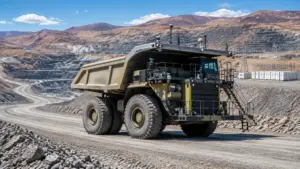
The mining industry sits on roughly 13 billion tons of tailings waste globally, and here’s the thing: a significant chunk of that “waste” contains the exact critical minerals everyone’s scrambling to find. Lithium, cobalt, rare earth elements, copper residuals. It’s all sitting there in old tailings ponds and waste piles while companies pour billions into greenfield exploration.

Meanwhile, mine closure liabilities keep piling up on balance sheets. The global estimate for outstanding reclamation obligations hovers somewhere around $50 billion, give or take. That’s a lot of red ink for an industry already facing pressure from every direction: ESG demands, community opposition, permitting delays, you name it.
But here’s what’s changing: forward-thinking operators are flipping the script. Instead of viewing closure as a pure liability, they’re treating legacy sites as secondary resource deposits. And honestly? It makes a ton of sense when you actually dig into the numbers.
The Liability Problem Nobody Wants to Talk About
Let’s be real for a second. Most mine closure plans are designed to meet regulatory minimums and check compliance boxes. Financial assurance gets posted, performance bonds get filed, and everyone moves on until the site actually needs to close.
The problem is that reclamation costs keep escalating. Water treatment in perpetuity, long-term monitoring, vegetation maintenance: these expenses compound over decades. Some legacy sites in North America have been in active reclamation for 30+ years with no end in sight.
More Read

And the kicker? Many of those same sites contain materials that weren’t economically viable to process 20 or 30 years ago but absolutely are today. Processing technology has advanced. Commodity prices have shifted. The entire critical minerals landscape looks completely different than it did when most closure plans were originally drafted.

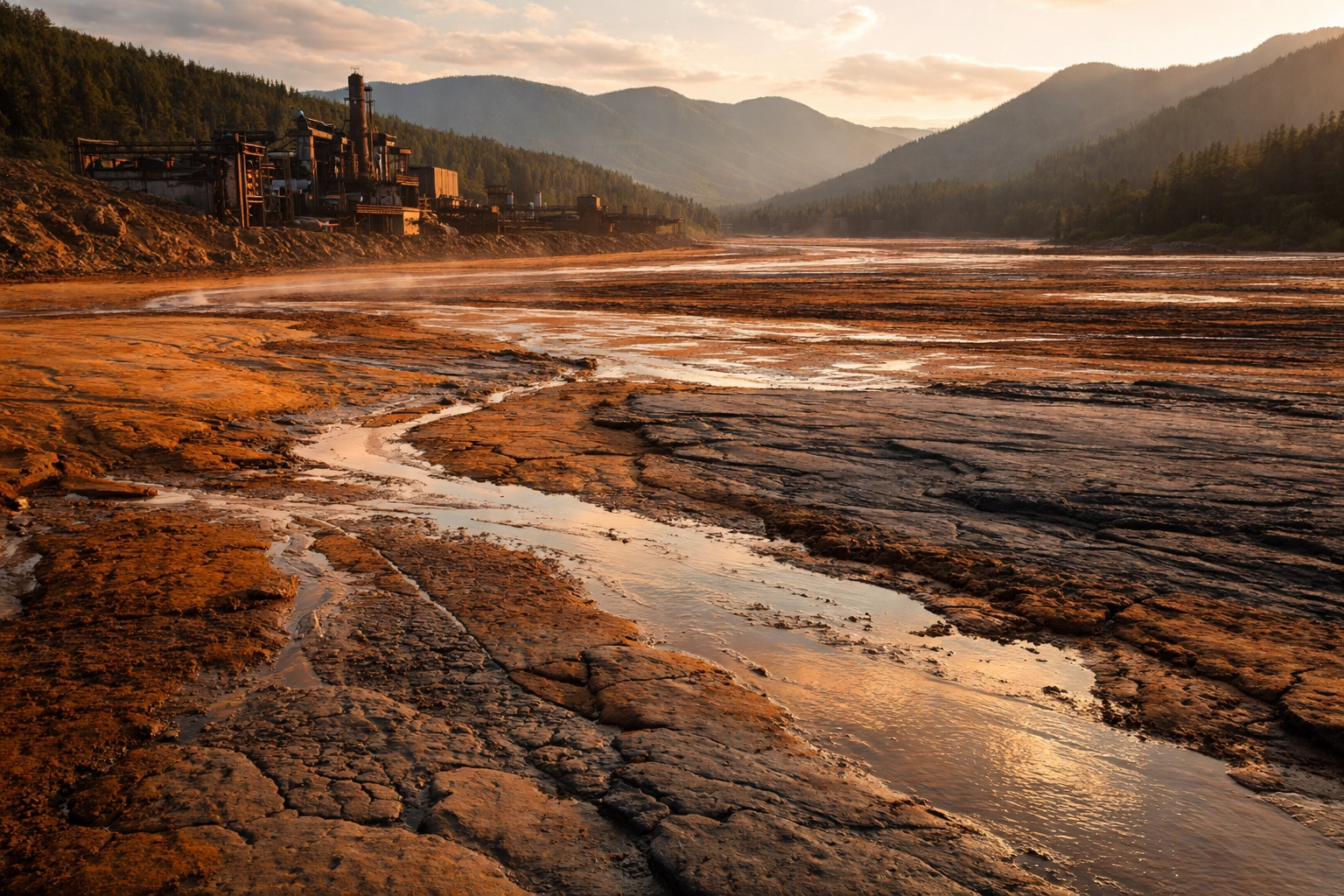
Step 1: Conduct a Comprehensive Resource Characterization
Before you can monetize anything, you need to know exactly what you’re working with. This means going beyond your original geological surveys and really digging into the composition of tailings, waste rock piles, and processing residuals.
More Read

Modern analytical techniques can identify mineral concentrations that older assay methods missed entirely. We’re talking about trace elements, secondary mineralization, and byproduct streams that simply weren’t on anyone’s radar during initial operations.
The smart operators are bringing in third-party consultants to conduct full material audits. They’re sampling tailings at multiple depths, running comprehensive geochemical analyses, and building detailed resource models of their waste facilities. It’s not cheap, but the data is essential for everything that follows.
One thing to keep in mind: regulatory frameworks often require updated closure plans when mine activities change. If you’re planning to reprocess materials, you’ll need to factor permitting timelines into your project schedule from day one.
Step 2: Develop an Integrated Recovery and Closure Plan
Here’s where things get interesting. Instead of treating closure and resource recovery as separate activities, you need to integrate them into a single operational plan.
This means designing your extraction approach around final landform requirements. If your reclamation plan calls for specific grades and contours, your reprocessing operation should deliver materials in a way that supports those outcomes. You’re essentially doing reclamation earthworks while simultaneously recovering valuable minerals.

The regulatory implications matter here too. Most jurisdictions require performance bonds equal to estimated reclamation costs, with reviews every five years or when mine plans change significantly. A well-designed integrated plan can actually reduce your bonding requirements by demonstrating that extraction activities contribute to closure objectives.
Water management is another critical consideration. Tailings reprocessing often involves significant water handling, and your approach needs to align with post-closure water quality targets. The operators who get this right can turn long-term water treatment liabilities into shorter-term, more manageable obligations.
Step 3: Build Strategic Partnerships and Financing Structures
Unless you’re sitting on a massive cash pile, you’re probably going to need partners. And honestly, even if you do have the capital, partnering often makes more sense than going it alone.
The critical minerals space has attracted significant investment interest over the past few years. Private equity firms, strategic corporate investors, and even government-backed funds are actively looking for exposure to domestic critical minerals supply. Legacy mining sites with defined resources and existing infrastructure represent lower-risk investment opportunities compared to greenfield exploration plays.
Joint venture structures work well here. The mining company contributes the site, permits, and operational expertise. The financial partner contributes capital and potentially offtake agreements. Risk gets shared, and both parties benefit from successful extraction.
Some operators are also exploring royalty and streaming arrangements, where a third party provides upfront capital in exchange for a percentage of future production. These structures can be particularly attractive because they don’t require the site owner to take on debt or dilute equity.
Step 4: Deploy Appropriate Extraction Technologies
Technology selection depends entirely on what you’re trying to recover and the characteristics of your specific waste materials. There’s no one-size-fits-all solution here.
For tailings reprocessing, hydrometallurgical approaches often make sense. These techniques use aqueous solutions to selectively dissolve and recover target metals, and they’ve become significantly more efficient and cost-effective over the past decade. Bioleaching, solvent extraction, and ion exchange processes can now recover materials at concentrations that would have been economically impossible to extract 20 years ago.
Physical separation methods: gravity separation, magnetic separation, flotation: work well for coarser waste rock materials where target minerals exist as discrete particles rather than dissolved in solution.

The key is matching your technology to your material characteristics and recovery targets. This requires pilot testing and optimization before committing to full-scale operations. The upfront investment in metallurgical testing pays for itself many times over by avoiding costly operational mistakes.
Mobile processing units have also become more practical for secondary extraction projects. Instead of building permanent infrastructure, operators can deploy modular systems that can be relocated once extraction is complete. This approach reduces capital requirements and simplifies eventual site closure.
Step 5: Implement Adaptive Monitoring and Optimization
Extraction operations don’t run themselves, and conditions change over time. You need robust monitoring systems and the organizational capacity to adapt operations based on performance data.
This includes real-time tracking of extraction efficiency, tailings composition changes, and environmental parameters. Modern sensor networks and data analytics platforms make this kind of monitoring more accessible than ever, but you still need people who know how to interpret the information and make operational adjustments.
Post-closure monitoring requirements don’t disappear just because you’ve extracted valuable materials. You’ll still need to demonstrate that your site meets regulatory standards for stability, water quality, and ecological restoration. The difference is that successful extraction operations can generate revenue that helps fund these ongoing obligations instead of treating them as pure cost centers.
Some jurisdictions are also starting to offer regulatory credits or expedited approval pathways for operations that contribute to domestic critical minerals supply. These incentives vary significantly by location, but they’re worth investigating as part of your overall project economics.
The Bottom Line
Turning mine closure liabilities into critical minerals revenue isn’t simple, and it’s definitely not appropriate for every legacy site. But for operations with the right material characteristics, regulatory environment, and organizational capacity, it represents a genuine opportunity to transform balance sheet liabilities into productive assets.
The mining industry tends to think about closure as an endpoint: something you deal with after the real work is done. That mindset is increasingly outdated. Forward-thinking operators recognize that legacy sites represent a second chance to extract value while meeting environmental obligations.
The critical minerals supply crunch isn’t going away anytime soon. Demand for lithium, cobalt, copper, and rare earth elements continues to climb while permitting timelines for new projects stretch longer and longer. Secondary extraction from legacy sites offers a pathway to bring new supply online faster, with lower environmental impact, and at sites that already have established infrastructure and community relationships.
That’s not a bad deal for anyone involved.
For more mining industry insights and analysis, visit Skillings Mining Review.