Steel production dumps more than 8 percent of global annual CO₂ emissions into the atmosphere: a number that has turned the industry into one of the planet’s most scrutinized decarbonization targets. For iron ore producers in 2026, this isn’t just someone else’s problem. The technologies reshaping how steel gets made are simultaneously rewriting the rulebook on what kind of ore the market actually wants.

The shift is already underway. Approximately 70 percent of U.S. steel now comes from electric arc furnaces, with traditional blast furnaces accounting for a shrinking 30 percent slice. That trajectory isn’t reversing. For iron ore miners, the question has become unavoidable: adapt your product portfolio and customer relationships now, or watch the market evolve without you.
The Technology Landscape: Three Paths, Three Different Demands
Not all green steel is created equal, and the technology a steelmaker chooses determines exactly what they need from their ore suppliers.
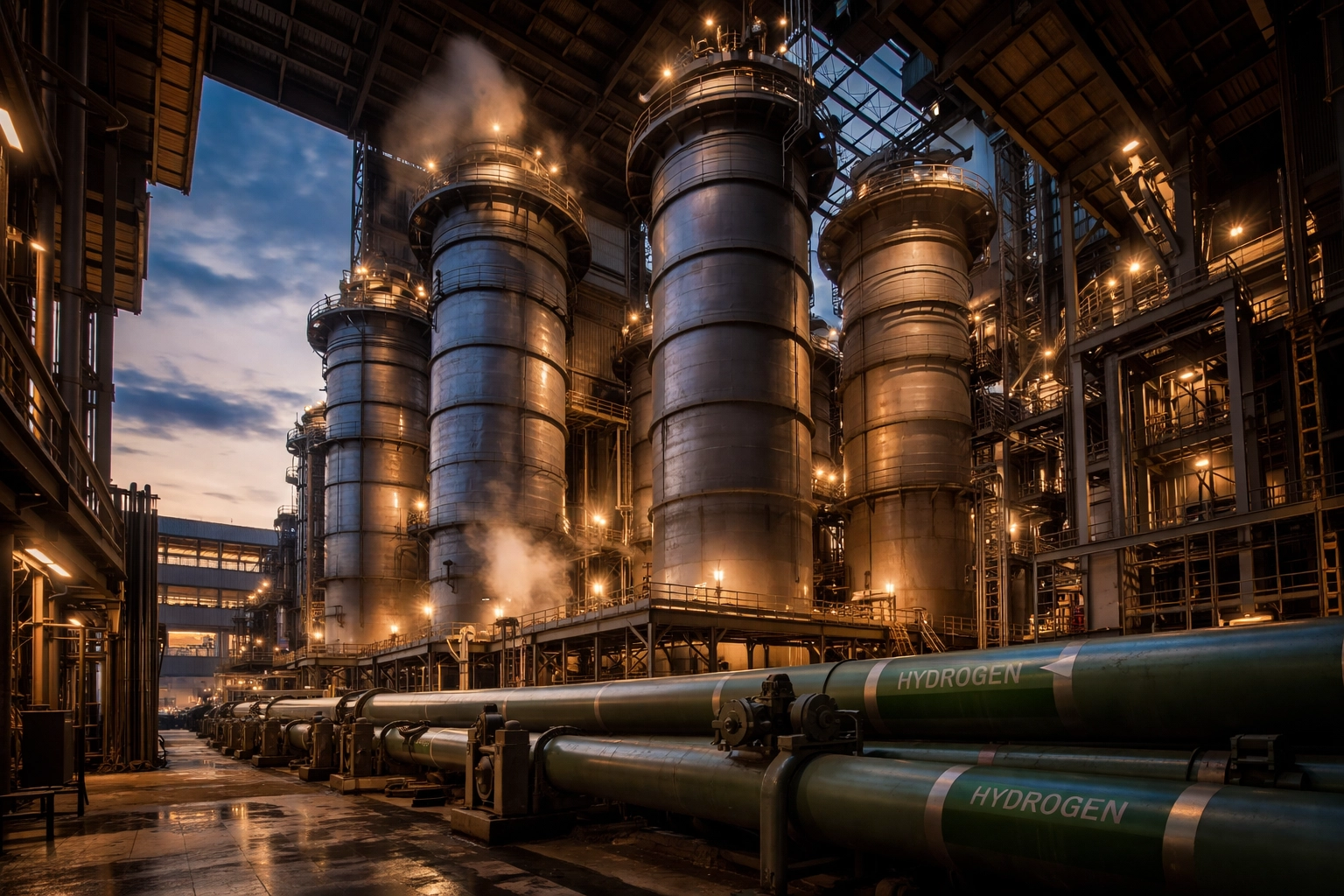
Direct Reduced Iron (DRI) with Electric Arc Furnace has emerged as the dominant low-carbon pathway. The process uses a reducing gas: increasingly green hydrogen: to convert iron ore directly into sponge iron pellets, which then get melted in an EAF powered by renewable electricity. The catch? DRI imposes brutal specifications on feedstock. We’re talking low impurity levels and high iron content, far narrower than what traditional blast furnaces tolerate. If you’re shipping ore to DRI customers, your beneficiation capabilities better be up to snuff.
More Read

Molten Oxide Electrolysis (MOE) offers a fundamentally different proposition. Boston Metal’s MOE Steel technology converts all grades of iron ore: not just premium pellets: directly into molten metal using renewable electricity. No hydrogen infrastructure required. No carbon capture. No process water. The cells are modular, roughly the size of a school bus, and production scales by adding more units. For ore producers sitting on lower-grade deposits, MOE represents a lifeline that bypasses the expensive beneficiation upgrades DRI demands.

Hydrogen Metallurgy rounds out the major pathways, with Chinese producers including HBIS Group and Baowu Steel deploying the technology at increasing scale. HBIS shipped its first green steel slabs to Europe in 2025, signaling that Asian producers aren’t waiting on the sidelines. This approach requires tight alignment with hydrogen production infrastructure: another geographic variable ore suppliers need to factor into their strategic planning.
What This Means for Iron Ore Producers
Here’s the uncomfortable reality: the ore specifications that served the industry for decades are becoming insufficient for a growing segment of buyers.
More Read

DRI-EAF operations require iron ore pellets with characteristics most legacy mines weren’t designed to produce. That means ore producers face a choice: invest in expanded beneficiation capabilities to hit DRI-grade specifications, or accept that a portion of the market is moving beyond their reach.
The economics aren’t straightforward. Upgrading beneficiation capacity requires significant capital expenditure, and the premium for DRI-grade material needs to justify that investment. Producers should benchmark these costs carefully before committing to facility expansions that may take years to pay off.

The emergence of MOE technology introduces a wrinkle that complicates the picture: in a good way for some producers. If MOE commercializes at the scale Boston Metal anticipates (revenue from MOE critical metals expected in 2026, with steel demonstration plants following), ore suppliers with lower-grade deposits gain a viable pathway to green steel customers without the beneficiation burden. Equipment manufacturers and iron ore miners are actively exploring how lower-grade feedstock can work in emerging DRI processes as well, suggesting that specifications remain a moving target.
Geographic positioning matters more than it used to. Green steel plants must co-locate with abundant, low-cost renewable electricity and hydrogen production facilities. This shifts where steel gets made globally. Ore producers need to assess whether their deposits sit within economic reach of planned green steel or green hydrogen hubs. Remote deposits with nearby renewable resources: previously considered disadvantaged: may actually become strategic assets for integrated green steel-hydrogen projects.
Market Dynamics: Regulation Accelerates Transition
Carbon Border Adjustment Mechanism (CBAM) implementation is creating competitive pressure that favors low-carbon producers, and steelmakers paying attention are already positioning themselves to meet the benchmarks.
Green steel producers can reduce emissions by 30-40 percent compared to traditional blast furnace-basic oxygen furnace (BF-BOF) processes, which typically emit 1.8-2.2 tonnes of CO₂ per tonne of crude steel. That differential translates directly into market access as carbon pricing mechanisms tighten across major economies.
Chinese mills producing green steel slabs and rebar demonstrate that this isn’t a single-product niche. Green steel is diversifying into multiple product categories, which means ore suppliers shouldn’t assume they can serve the transition with a narrow product offering.
Commercial scale is emerging faster than skeptics predicted. Hertha Metals has operated a Texas pilot plant since 2024 producing 1.1 tons per day, with planned expansion to over 30 tons per day and eventual capacity targeting 1,750 tons daily: backed by major venture capital. These aren’t science projects anymore. Steelmakers developing these facilities will need secure, growing supplies of ore meeting their specific requirements.
Strategic Imperatives for 2026

Diversify your customer base. Relying solely on traditional blast furnace customers amounts to betting against the direction of the industry. Build relationships with DRI operators, EAF facilities, and emerging technology developers. Understand their volume forecasts and specification requirements before they finalize supply agreements with competitors.
Assess your deposits honestly. How do your ore characteristics stack up against DRI-grade requirements? What would beneficiation upgrades cost, and does the premium justify the investment? Could your ore serve MOE or other emerging technologies with more flexible feedstock acceptance?
Map the infrastructure. Where are green hydrogen facilities planned in your region? Which steelmakers are developing low-carbon capacity within economical shipping distance? Energy infrastructure dependency will determine where green steel production concentrates: position accordingly.
Monitor technology developments. MOE commercialization timelines, natural carbon alternatives for DRI processes, and specification evolution across all pathways remain fluid. Producers who track these developments position themselves to respond faster than competitors locked into static assumptions.
Consider integration. Ore producers with renewable resources near their deposits may find opportunities in integrated projects that combine mining, beneficiation, and green steel or hydrogen production. These configurations capture more value chain and reduce dependency on distant customers.
The Road Ahead
The transition to green steel is accelerating but remains economically and geographically uneven in 2026. DRI-EAF dominates current low-carbon investment, but MOE and hydrogen metallurgy create alternative pathways that could reshape competitive dynamics within the decade.
Iron ore producers who actively shape their product specifications, geographic positioning, and customer relationships to align with emerging green steel geographies will capture value from this transformation. Those who wait for the market to tell them what it needs may find the specifications have moved beyond what they can economically supply.
The forge is being decarbonized. The question for ore producers isn’t whether to participate: it’s whether they’ll lead or follow.
By Charles Pitts and Mo Shine | Skillings Mining Review