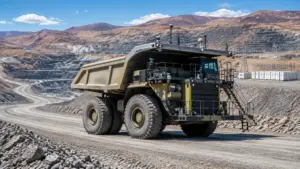
If you’ve spent any time in mining media over the past decade, you’ve noticed something fundamental has changed. It’s not just about reporting quarterly production numbers anymore. The conversation has shifted from geology to geopolitics, from efficiency metrics to ESG accountability, and from commodity prices to supply chain resilience.

As someone who’s spent years managing editorial operations: most recently as Director at Skillings Mining Review: I’ve seen firsthand how this transformation demands a completely different approach to content strategy. And here’s the thing: the executives running the top 100 mining companies aren’t just passively consuming this content. They’re actively shaping it, demanding it, and using it to make billion-dollar decisions.
The New Editorial Mandate: Getting It Right Matters More Than Getting It First
There was a time when mining publications operated on a simple premise: report the news, cover the conferences, profile the companies, and call it a day. But in 2026, that model is dead.
Why? Because the stakes are higher. When a mining executive reads an article about rare earth supply chains or permitting reform, they’re not just staying informed: they’re making strategic decisions that affect thousands of jobs and billions in capital allocation. According to recent industry surveys, 47% of mining executives now identify political variables: geopolitical risk, policy support, and critical minerals access: as their main priority for the year ahead.

More Read

This means editorial teams can’t afford to get it wrong. A misunderstood regulation, a poorly contextualized sustainability framework, or an oversimplified supply chain analysis doesn’t just damage credibility: it can actually mislead decision-makers at a critical moment.

That’s where high-level editorial strategy comes in. It’s not enough to have good writers anymore. You need editors who understand the difference between reporting about the industry and reporting for the industry. You need people who can translate complex technical operations into clear executive summaries without losing the nuance that makes the information valuable.
Why C-Suite Leaders Are Demanding Deeper Analysis
Here’s what I’ve learned from years of engaging with C-Suite thought leaders: they don’t want fluff. They want depth, context, and actionable intelligence.
More Read
When BHP’s CEO talks about autonomous equipment adoption growing from less than 1% in 2020 to over 4% today, they’re not making small talk. They’re signaling a massive operational shift that requires their competitors, suppliers, and investors to pay attention. When Rio Tinto discusses their approach to community engagement and social license to operate, it’s not corporate jargon: it’s a foundational business strategy that determines whether a $5 billion project moves forward or dies in permitting.
The problem? Most mining publications still treat these topics like checkbox items. They’ll run a 500-word piece on “ESG trends” without diving into what three-quarters of mining industry respondents actually mean when they say they’re maintaining or increasing adoption of sustainability frameworks.

That gap between surface-level coverage and strategic analysis is where editorial directors earn their keep. It’s about asking the right follow-up questions. It’s about understanding that when an executive says “geopolitical positioning,” they’re talking about everything from USMCA compliance to critical minerals diplomacy with the DRC.
And honestly? That level of editorial oversight can’t happen in a traditional office environment anymore. The mining industry is global. The best insights come from conversations across time zones. Remote editorial teams: when managed correctly: actually have a competitive advantage because they can tap into expertise from Sydney to Santiago without the overhead of maintaining physical newsrooms in every mining hub.
The Content Production Challenge: Quality Control at Scale
Let’s talk about the operational side for a minute, because this is where a lot of mining media operations fall apart.
You can have the best editorial vision in the world, but if you can’t execute it consistently across dozens of articles, interviews, and special reports every month, you’re toast. This is especially true when you’re managing remote writers who might be experts in lithium extraction but need guidance on how to frame their insights for a C-Suite audience.
During my time overseeing content production, I developed a pretty straightforward system: high standards, clear feedback loops, and zero tolerance for factual errors. Sounds simple, right? But in practice, it means implementing editorial workflows that catch problems before they go live, not after.

For example, when we were covering supply chain disruptions in the copper market last year, we had three different writers working on related pieces: one on South American production constraints, another on Chinese demand shifts, and a third on North American processing capacity. Without strong editorial coordination, you’d end up with three articles that contradict each other or, worse, repeat the same information three times.
Instead, we treated it like a strategic package: each piece had its own angle, but they all supported a larger narrative about how the global copper supply chain was fundamentally restructuring. That kind of coordination requires an editor who can see the big picture while still catching when a writer mischaracterizes a sustainability metric or oversimplifies a permitting timeline.
Transparency and Trust: The New Currency in Mining Media
If there’s one thing I’ve learned about working with executives at major mining companies, it’s this: they value transparency almost as much as they value accuracy.
The industry has been burned too many times by publications that run promotional content disguised as journalism, or by media outlets that sensationalize every environmental controversy without understanding the technical realities of modern mining operations.
That’s why editorial integrity matters so much. When you maintain high standards: when you’re willing to push back on a source who’s being evasive, or when you fact-check claims even when they support your narrative: you build trust. And trust is what turns a publication from “another industry news site” into a go-to resource that executives actually rely on.

This is particularly important when covering sustainability and ESG issues. There’s a lot of noise in this space right now: some companies are making genuine progress on environmental stewardship and community relations, while others are engaging in greenwashing. A good editorial team knows how to distinguish between the two, not by being cynical or credulous, but by applying consistent standards and asking tough questions.
The Remote Work Advantage: Why Location Doesn’t Matter Anymore
I want to address something that might seem counterintuitive: remote editorial management isn’t just a pandemic-era workaround. It’s actually a strategic advantage for mining media.
Here’s why: the best mining expertise isn’t concentrated in one city or even one country. If you want comprehensive coverage of global lithium production, you need people who understand Australian mining operations, Chilean brine extraction, and North American hard-rock projects. Good luck finding all that expertise in a single office.
But beyond just access to talent, remote editorial teams offer something else that’s valuable: flexibility. When a major mining acquisition gets announced at 6 PM Eastern because that’s when the ASX closes, you need editors who can coordinate coverage across time zones without burning everyone out.
The key is having systems in place: clear communication protocols, standardized editorial guidelines, and regular check-ins that keep everyone aligned. It’s not rocket science, but it does require intentionality.
What This Means for the Industry (And for Hiring Managers)
If you’re a recruiter or hiring manager looking for someone to lead your mining media operations, here’s what you should be paying attention to: Can they manage remote teams? Do they understand the strategic importance of editorial integrity? Can they engage with C-Suite leaders and translate complex industry dynamics into clear, actionable content?
Because that’s what the industry needs right now. We’re in an era where mining companies are being asked to do more with less: produce more minerals with smaller environmental footprints, engage more meaningfully with communities, navigate more complex regulatory environments, and communicate all of it more transparently.

The publications that serve this industry need to rise to that same standard. They need editorial directors who can see the connections between geopolitical trends and individual mining projects, who can manage content production at scale without sacrificing quality, and who can build trust with the executives whose decisions shape the entire sector.
That’s not just good journalism. It’s good business. And in 2026, it’s non-negotiable.
The mining industry is going through one of its most significant transformations in decades. The publications that cover it need to transform too: and that starts with editorial leadership that understands both the industry and the craft of storytelling. Because at the end of the day, the narrative we build shapes how the world sees mining, how investors allocate capital, and how communities engage with projects in their backyards.
That’s a responsibility worth taking seriously.