While the mining world obsesses over blockbuster deals and transformational M&A, BHP just walked away from the table. Not because they can’t afford to play. Because they don’t need to.

CEO Mike Henry laid it out plainly: “We’ve got the luxury of starting from a very strong base. We are now the largest [copper producer], we’ve grown by 30%, and we’ve got multiple large growth options already in the portfolio, so we don’t feel the need.”
That statement carries weight. BHP is now the world’s largest copper producer, with copper contributing 51% of Group EBITDA: more than double its share since FY23. When you’re already winning, why bet the farm on someone else’s assets?
The Failed Deal That Changed Everything

The pivot didn’t happen in a vacuum. BHP’s $49 billion bid for Anglo American collapsed spectacularly in 2024. The deal would have been transformational: giving BHP control over Anglo’s copper assets and fundamentally reshaping the competitive landscape.
More Read

It didn’t happen.

Instead of licking wounds or chasing the next mega-merger, BHP did something smarter. They looked at what they already owned. And what they found was a development pipeline that most majors would kill for.
The strategic calculus here isn’t subtle: Why pay a premium for someone else’s brownfield expansions and permitting headaches when you’re sitting on world-class assets that you already control?
More Read

The Organic Growth Arsenal
BHP’s copper ambitions are backed by hard projects, not wishful thinking. The company is targeting a 40% increase in attributable copper production to approximately 2 million tonnes per annum by the mid-2030s, with a pathway to 2.5 million tonnes of copper equivalent.
Those aren’t aspirational numbers. They’re tied to specific projects.
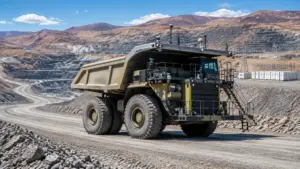
Escondida, the Chilean megamine that’s already the world’s largest copper operation, just got bigger. BHP increased production guidance by 50 kt for FY26 and 100 kt for FY27. A new concentrator is being commissioned now, delivering longer-term growth from an asset that still has decades of reserve life.
Vicuña represents something different entirely. BHP is developing this project through a joint venture with Lundin Mining, targeting what could become a top-5 copper-gold district. This isn’t an acquisition. It’s a greenfield build on prospective ground where BHP controls the geology and the timeline.
Then there’s Resolution, where BHP secured a 45% stake in a massive undeveloped copper deposit in Arizona. The permitting timeline is brutal: this is the United States, after all: but the resource scale provides significant optionality for the 2030s.

Meanwhile, Pampa Norte in Chile continues optimization work across the Spence and Cerro Colorado operations. These aren’t headline-grabbing expansions, but they’re the kind of incremental production gains that add up when you’re already operating at scale.
The broader pipeline includes smaller but meaningful projects that collectively move the needle. BHP isn’t relying on a single mega-project to hit targets. They’re stacking multiple growth levers across different jurisdictions, different timelines, and different risk profiles.
That’s capital discipline.
Capital Recycling Instead of Capital Destruction
BHP learned something from the Anglo American failure: big deals destroy value more often than they create it. Premiums get paid. Integration goes sideways. Synergies disappoint.
So instead of writing $50 billion checks for questionable assets, BHP has gotten creative with capital recycling. The company struck a silver streaming deal with Wheaton Precious Metals and formed infrastructure partnerships with GIP: unlocking value from existing operations without divesting core assets or diluting copper exposure.
This approach lets BHP maintain production growth while returning capital to shareholders. Projected cumulative free cash flow of approximately $60 billion over FY26-30 gives the company optionality. They can pursue opportunistic M&A if something exceptional appears. They can accelerate organic projects. They can return more cash.
What they don’t have to do is bet the company on a transformational deal to hit growth targets.
Mike Henry made this explicit: “That’s a dangerous place for a company to be, where they can only unlock growth through M&A.” He’s right. Strategy shouldn’t depend on finding a willing seller at a reasonable price. That’s not a strategy. That’s hope.
The Contrast With Industry Desperation

While BHP focuses on what it controls, the rest of the industry is scrambling. Rio Tinto’s proposed $6.7 billion Glencore merger talks fizzled. Eldorado Resources just paid $2.8 billion for Foran Mining: a decent asset, but hardly transformational. The copper M&A market is frothy, with buyers paying up for marginal improvements to their portfolios.
BHP can afford to sit out that madness. Their copper segment is already growing at approximately 5% compound annual growth through 2035. That’s organic. That’s controlled. That’s not dependent on deal-making luck.
The copper deficit everyone’s obsessing about: roughly 800 kt by some estimates: is real. But BHP’s response isn’t panic buying. It’s methodically bringing their own supply online through projects they already own.
This creates competitive advantage. While peers chase acquisitions at inflated prices, BHP executes brownfield expansions and debottlenecking projects at known capital costs. No bidding wars. No integration risks. No cultural clashes between management teams.
Why This Matters for Copper Markets
BHP’s organic-first strategy has broader implications for copper supply dynamics. If the world’s largest producer can grow 40% without major M&A, it validates that the industry’s supply problem isn’t about consolidation: it’s about permitting, capital allocation, and operational execution.

The market narrative around copper often centers on mega-mergers creating “super majors” that can tackle bigger projects. BHP is proving that thesis wrong. They’re already a super major. And they’re growing faster through disciplined organic development than most companies could through acquisitions.
This also means copper supply additions from BHP are relatively predictable. Escondida’s expansion isn’t subject to deal approval or regulatory review in multiple jurisdictions. It’s happening. Vicuña’s timeline depends on development execution, not shareholder votes.
For copper bulls, that’s both good and bad news. Good because BHP’s production growth is bankable: these tonnes are coming. Bad because if organic growth can deliver 40% increases, the supply deficit might not be as catastrophic as some forecasts suggest.
The real question is whether the rest of the industry can follow BHP’s playbook. Most can’t. They don’t have comparable asset quality. They don’t have BHP’s balance sheet strength. They don’t have the luxury of walking away from M&A.
The Discipline Premium
BHP’s approach reflects something deeper than just copper strategy. It’s a rejection of growth-at-any-cost mentality that has destroyed value across the mining sector for decades.
Mike Henry’s team is running a different play: run existing assets better, unlock organic growth, maintain financial flexibility, and only pursue M&A that meets “very strict criteria.” That last part matters. BHP isn’t saying never to acquisitions. They’re saying acquisitions have to compete against organic projects and shareholder returns.
That’s a high bar. And it should be.
The mining industry has a terrible track record with mega-deals. Premiums get paid at cycle peaks. Integration costs exceed estimates. Promised synergies never materialize. Shareholders eat the losses.
BHP is choosing a different path. Build what you own. Optimize what you operate. Return cash when organic opportunities don’t meet the hurdle rate.
It’s not sexy. It won’t generate headlines about billion-dollar bidding wars. But it’s working. BHP’s copper business is growing faster than most peers, generating superior returns, and positioning the company for the energy transition without betting the farm on someone else’s assets.
In an industry obsessed with the next big deal, that kind of discipline looks increasingly like competitive advantage. The copper market needs more supply. BHP is delivering it: one brownfield expansion, one optimization project, one disciplined capital allocation decision at a time.
No drama. No megadeals. Just results.