PERTH, Australia : Fortescue Ltd. has finalized its acquisition of Alta Copper Corp., securing 100% ownership of the Cañariaco copper project in northern Peru. The transaction, valued at approximately C$139 million ($103 million USD), marks a decisive pivot for the iron ore giant as it aggressively builds a multi-commodity portfolio centered on the energy transition.

The deal, executed through a Canadian plan of arrangement, saw Fortescue’s subsidiary, Nascent Exploration Pty Ltd, acquire all outstanding Alta Copper shares at C$1.40 per share. The closing of the deal on March 12, 2026, officially hands Fortescue control over one of the largest undeveloped copper deposits in the Americas.
For Fortescue, the strategic calculus isn’t subtle: the era of iron ore dominance is maturing, and the future belongs to those who control the copper flow.
The Cañariaco Asset: A $2.1B Copper Powerhouse
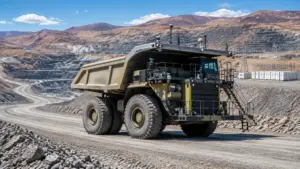
The Cañariaco project is not a speculative exploration play; it is a massive porphyry system located in an emerging mineral corridor in the Lambayeque department of northern Peru. The project footprint spans roughly 91 square kilometers and includes three primary targets: Cañariaco Norte, Cañariaco Sur, and the Quebrada Verde prospect.
According to previous feasibility studies, the project envisions an annual production target of approximately 134,000 tonnes of copper in concentrate. At current market valuations and projected capital expenditures, the asset represents a multi-billion dollar development commitment.
More Read

The resource base is staggering. Cañariaco Norte alone contains measured and indicated resources of 7.5 billion pounds of copper. That is not a rounding error. It is a Tier 1 asset that places Fortescue in direct competition with the world’s largest copper producers in a region that already produces a significant portion of global supply.


Strategic Pivot: Beyond the Pilbara
Fortescue CEO Andrew Forrest has spent the last three years signaling a shift away from the company’s “iron ore only” identity. This acquisition is the culmination of that rhetoric. By securing full control of Alta Copper, Fortescue is diversifying its geographical and commodity risk.
More Read

“Copper is a core pillar of Fortescue’s growth and diversification strategy,” said Gus Pichot, CEO of Growth and Energy at Fortescue. Pichot noted that the project provides exposure to a “promising geological belt” that aligns with the company’s green energy ambitions.
The logic is simple. You cannot have a global battery revolution without copper. From electric vehicle motors to high-voltage transmission lines, the metal is the indispensable conductor of the green transition. Fortescue’s aggressive move into Peru suggests they believe the copper supply gap will be even more “brutal” than analysts currently predict.
Timeline: What Happens Next?
The acquisition is complete, but the hard work of mine construction and permitting remains. Fortescue’s immediate priorities include:
- Technical Reviews: Detailed auditing of the 2024 Preliminary Economic Assessment (PEA) to optimize processing flowsheets and tailings management.
- Community Engagement: Strengthening ties with local Andean communities, an area where previous owners struggled to maintain a consistent social license.
- Development Studies: Moving toward a definitive feasibility study (DFS) to de-risk the projected $2.16 billion capital expenditure.
Investors should expect a two-to-three-year window of intensive study and permitting before a Final Investment Decision (FID) is reached. However, Fortescue’s existing footprint in Latin America: established since 2018: provides a logistical head start that most newcomers lack.
The Peru Factor: Regional Context and Geopolitical Risk
Peru remains the world’s second-largest copper producer, but it is not for the faint of heart. The country has been characterized by chronic political volatility and social unrest in mining regions. Fortescue is betting that its experience in the Pilbara and its “green” branding will allow it to navigate these waters more effectively than its predecessors.
The Cañariaco project sits in a region that has seen both significant investment and significant resistance. By taking 100% control, Fortescue avoids the complications of a joint venture, giving them a single, unified voice in negotiations with the Peruvian government and local stakeholders.

Analysis: Why This Matters for Investors
For copper analysts, the Alta Copper finalization is a signal that the M&A market for “future-facing” metals is heating up. We are seeing a trend where major miners are no longer content with minority stakes; they want total control of the project pipeline.
Consider the recent landscape:
- Trafigura securing lithium supply.
- Expansion in the Vicuña District.
- The rush for rare earths in Sweden.
The competition for Tier 1 assets is becoming a zero-sum game. There are only so many deposits that can produce over 100,000 tonnes per year. Fortescue has now taken one of those off the board.
Key Risks: The “Grim” Realities of High-Altitude Mining
While the resource is proven, the execution is fraught with challenges. The Cañariaco project is located at high altitudes in the Andes, which introduces significant logistical and physiological hurdles.
- Infrastructure: Building heavy-duty roads and power lines to a remote site requires massive upfront capital.
- Water Management: In the current ESG-sensitive environment, securing water rights without impacting local agriculture is a delicate, often expensive, process.
- Permitting: Peru’s regulatory environment is thorough but slow. Fortescue will need to navigate a multi-layered permitting process that has stalled similar projects in the past.
But you can’t disrupt geology. The copper is there. The question is whether Fortescue can extract it at a cost that justifies the $2B+ price tag.

Market Outlook: 2026 and Beyond
As of March 2026, the copper market remains in a structural deficit. Decarbonization demands are outstripping the pace of new mine commissions. Projects like Cañariaco are essential to meeting the 2030 targets set by the International Energy Agency (IEA).
Fortescue’s entry into the Peruvian copper sector also suggests a shift in how these projects are funded. With a massive balance sheet supported by its iron ore cash cow, Fortescue can afford to take a long-term view that smaller explorers like Alta Copper simply couldn’t.
The strategic calculus here isn’t subtle: Fortescue is positioning itself as a “green energy and metals” powerhouse. Iron ore pays the bills today; copper and green hydrogen are meant to pay them tomorrow.
The Bottom Line
Fortescue’s full acquisition of the Cañariaco project is a landmark deal in the 2026 mining calendar. It ends years of speculation regarding Alta Copper’s future and places a significant asset into the hands of a company with the capital and the will to build it.
However, the road to 134,000 tonnes of annual production is long. The technical, social, and political hurdles in Peru are high. For investors, the success of this acquisition will be measured not by the closing of the deal, but by the first shipment of concentrate from the Port of Paita.
That’s the reality of modern mining. The easy deposits are gone. The future belongs to those who can master the “nasty” complexities of high-altitude, high-stakes development.
For deeper analysis on the global copper supply crunch, visit Skillings Mining Review.