By Charles Pitts

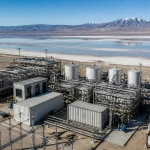
The landscape of American energy production underwent a significant shift in April 2026 as Uranium Energy Corp (UEC) officially moved its Burke Hollow project into the production phase. Located in the uranium-rich coastal bend of South Texas, Burke Hollow represents the first new in-situ recovery (ISR) uranium mine to come online in the United States in over a decade.
The commissioning of this asset marks a critical milestone for UEC and the broader domestic nuclear fuel supply chain. As Western utilities face a bifurcated market and increasing pressure to decouple from Russian nuclear fuel, the arrival of new domestic pounds is no longer just a corporate achievement: it is a matter of national energy security.
Burke Hollow: A decade in the making
The Burke Hollow project was a grassroots discovery made by UEC in 2012. Over the last 14 years, the company has navigated a complex regulatory and development path to bring the asset to fruition. Unlike traditional open-pit or underground mines, Burke Hollow utilizes ISR technology, which involves circulating oxygenated groundwater through the ore body to dissolve uranium and pumping the solution to the surface.
This method is widely considered more environmentally benign and cost-effective than conventional mining, as it eliminates the need for massive earthmoving, tailings piles, or waste rock dumps. For investors tracking mining stocks to watch 2026, UEC’s ability to successfully permit and commission a greenfield ISR site in a stringent regulatory environment like Texas serves as a significant proof of concept for its broader portfolio.
More Read



The Hobson Hub-and-Spoke model
Production from Burke Hollow does not stay on-site for final processing. Instead, the “loaded” resin from the wellfields is transported to UEC’s Hobson Central Processing Plant. This facility acts as the “hub” for UEC’s South Texas operations, with several satellite mines: including Burke Hollow and the Palangana mine: acting as the “spokes.”
The Hobson plant is currently licensed to produce up to 4 million pounds of U₃O₈ per year. By leveraging this existing infrastructure, UEC has significantly reduced the capital intensity of the Burke Hollow startup. The plant’s capacity is a key pillar in UEC’s strategy to become the dominant domestic producer, particularly as the company also maintains a similar hub-and-spoke platform in Wyoming.
More Read

Market context: Uranium price forecast 2026
The timing of Burke Hollow’s startup aligns with a structural supply deficit that has kept pressure on global markets. As of late May 2026, the uranium market is characterized by high contract pricing and a narrowing gap between spot and term values.
| Metric | Value (May 2026) | 12-Month Trend |
|---|---|---|
| Uranium Spot Price | US$84.70/lb | +18% |
| Long-Term Contract Price | US$90.00/lb | +15% |
| Global Primary Production | ~173M lbs | Deficit vs. Demand |
| Global Primary Demand | ~204M lbs | Rising (AI & Net Zero) |
According to recent uranium price forecast 2026 data, analysts expect prices to oscillate between US$85 and US$95 per pound for the remainder of the year. The primary drivers remain the same: an under-invested mining sector, logistics disruptions in the East, and a massive surge in demand from data centers: driven by the AI boom: seeking carbon-free baseload power.

Strategic impact and energy security
For the United States, which operates the world’s largest fleet of nuclear reactors, the reliance on foreign uranium has long been a strategic vulnerability. Historically, a large percentage of U.S. requirements were met through imports from Russia, Kazakhstan, and Uzbekistan.
The startup of Burke Hollow is a direct response to policy shifts aimed at rebuilding the domestic nuclear fuel cycle. U.S. officials have increasingly categorized domestic uranium production as a national security priority. By bringing the first new mine online in more than 10 years, UEC is providing a tangible alternative to foreign-sourced material. This move is expected to assist utilities in meeting domestic content requirements that are becoming more prevalent in government-backed power purchase agreements.
Mining stocks to watch 2026: The peer group
While UEC has captured headlines with the Burke Hollow commissioning, it is part of a broader group of developers and producers responding to the supply-demand imbalance.
- Cameco Corporation (CCJ): The global heavyweight. Cameco continues to benefit from its large-scale production in Canada and its ownership stake in Westinghouse, giving it vertical integration across the fuel cycle.
- NexGen Energy (NXE): Currently working through the final permitting and construction phases of the massive Arrow deposit in the Athabasca Basin. NexGen is widely viewed as the next major global supplier.
- Denison Mines (DNN): Another key player in the Athabasca Basin, Denison is pioneering the use of ISR technology in the high-grade Phoenix deposit, mirroring the technical approach UEC has successfully deployed in Texas.
For investors, the distinction in 2026 has become “producers vs. developers.” While developers offer higher leverage to price spikes, producers like UEC and Cameco are currently capturing cash flow from the highest uranium prices seen in nearly two decades.

Operational timeline and key risks
UEC expects production at Burke Hollow to ramp up throughout the remainder of 2026. The initial wellfields are now operational, and the company is focused on optimizing flow rates and resin loading cycles to maximize throughput at the Hobson plant.
However, several risks remain:
- Regulatory Flux: While the current administration is supportive of nuclear energy, changes in environmental oversight at the state or federal level can impact expansion plans.
- Geological Variability: ISR depends on the precise permeability of the ore body. Any unexpected changes in geology could impact recovery rates.
- Market Volatility: The uranium spot market remains thin and susceptible to large swings driven by financial players and ETFs rather than purely by utility demand.
Outlook for the U.S. Uranium Sector
The 2026 production start at Burke Hollow is likely the beginning of a larger trend. With several other projects in the Permian and Powder River Basins currently in the permitting pipeline, the U.S. is slowly reclaiming its status as a relevant uranium producer.
For the industry, Burke Hollow is the proof that the “lost decade” of domestic uranium mining is over. As UEC scales its operations and Western utilities continue to seek secure, reliable, and domestic sources of fuel, the Texas uranium belt is poised once again to become a central hub for the American energy transition.