By Penny Langford

Alcoa Corporation has entered into a definitive agreement to acquire a majority of South32’s bauxite, alumina, and aluminum assets in a transaction valued at up to US$5.6 billion. The deal, announced Friday, represents one of the most significant mining M&A deals of 2026, materially expanding Alcoa’s upstream footprint across Australia, Brazil, and South Africa as global demand for aluminum intensifies.
The acquisition is structured with an upfront consideration of approximately US$4.1 billion, comprising US$3.1 billion in cash and roughly US$1.0 billion in Alcoa common stock. Additionally, Alcoa will assume approximately US$750 million in net debt and lease liabilities. A Contingent Value Right (CVR) could provide South32 with an additional US$750 million in cash, linked to the performance of alumina and aluminum prices over a four-year period starting July 1, 2026.
This strategic move follows a year of high-stakes consolidation within the sector, coming on the heels of the Genesis and Vault mega-merger earlier this quarter. For Alcoa, the transaction is a multi-jurisdictional play to secure vertical integration during a period of heightened supply chain volatility.
Transaction Mechanics and Valuation
The US$5.6 billion enterprise value reflects a calculated bet on the long-term pricing of the aluminum value chain. The upfront cash component of US$3.1 billion will be funded through Alcoa’s existing balance sheet and new debt facilities. The equity portion involves the issuance of approximately 17 million new Alcoa shares to South32.
The CVR mechanism is a critical component of the deal's valuation, designed to bridge the gap in price expectations between the two miners. The payout is triggered if average alumina or aluminum prices exceed specific strike levels over four successive annual periods. This structure allows South32 to retain exposure to potential market upside while providing Alcoa with a capped entry price in a high-inflation environment.

Alcoa has secured an economic effective date of April 1, 2026, meaning the company will be entitled to cash flows from the acquired assets starting from the second quarter of this year, pending the final closing of the transaction.

Regional Expansion: The Asset Portfolio
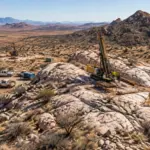
The acquisition spans three major mining hubs, targeting high-quality bauxite and smelting assets that align with Alcoa’s existing operational clusters.
Western Australia
In Australia, Alcoa is acquiring the Boddington bauxite mine and South32’s interest in the Worsley Alumina refinery. Post-transaction, Alcoa will control an 86% stake in Worsley, integrating the facility more deeply with its current Western Australian operations. This consolidation is expected to drive significant operational efficiencies in the Darling Range, where Alcoa already maintains a dominant presence.
Brazil
The Brazilian portion of the deal involves the acquisition of a 33% interest in the Mineração Rio do Norte (MRN) bauxite mine, alongside South32’s stakes in the Alumar alumina refinery (36%) and the Alumar aluminum smelter (40%). These assets provide Alcoa with a reinforced position in the Atlantic basin, though the transfer of the MRN stake remains subject to pre-emptive rights held by joint venture partners.
South Africa
Alcoa’s entry into South African primary production is marked by the acquisition of the Hillside Aluminum smelter. As the largest primary aluminum producer in the Southern Hemisphere, Hillside serves as a critical hub for regional manufacturing. The deal also includes the idled Bayside smelter property, which Alcoa intends to utilize as a logistics and operating platform for future expansion.
Notably, South32’s Mozal aluminum smelter in Mozambique was excluded from the transaction, as South32 continues to simplify its portfolio toward other transition metals.
Strategic Rationale: Vertical Integration and Synergies
Alcoa estimates the deal will generate US$900 million in net present value (NPV) synergies. These gains are primarily expected from integrated planning and logistics optimization in Western Australia, where the proximity of the Boddington-Worsley complex to existing Alcoa assets allows for streamlined supply chain management.
By acquiring these assets, Alcoa’s global bauxite market share is projected to rise from 8.5% to approximately 13%. Its attributable bauxite production will increase by 53.6%, reaching nearly 53 million tons per year. Furthermore, the company’s aluminum smelting capacity is set to grow by roughly 26%.
"This transaction is about securing the front end of the value chain," noted an industry analyst tracking Skillings Mining Intelligence market updates. "In 2026, the risk is no longer just the price of the metal, but the availability and cost of the alumina and bauxite required to make it. Alcoa is essentially de-risking its feedstock for the next decade."

Aluminum Market Context in 2026
The deal comes at a pivotal time for the aluminum market. As the energy transition accelerates, aluminum’s role in electric vehicle (EV) frames, battery enclosures, and renewable energy infrastructure has led to a structural shift in demand.
Supply concerns have been exacerbated by geopolitical tensions, including the ongoing impact of the Iran war on energy-intensive smelting operations in the Middle East. These factors have driven aluminum prices higher throughout H1 2026, making upstream integration a competitive necessity for major producers.
Unlike other commodities like copper, which faces a deepening deficit, the aluminum market has historically been well-supplied. However, the shift toward "green aluminum": metal produced using renewable energy or low-carbon processes: has created a premium for assets like Hillside and Worsley that have clear paths toward decarbonization.
Shareholder Returns and Financial Outlook
To maintain investor support during this capital-intensive period, Alcoa has announced plans to return approximately US$500 million to shareholders via a special dividend following the deal's closure. This move is intended to balance the company’s aggressive growth strategy with immediate capital returns.
For South32, the divestment marks a definitive step in its "portfolio simplification" strategy. By exiting the bulk of its aluminum business, the company aims to reallocate capital toward base metals and critical minerals, mirroring a broader trend where diversified miners are shedding non-core assets to focus on specific segments of the energy transition.
The financial community has viewed the deal as a sign of renewed confidence in large-scale mining M&A. After several years of cautious balance sheet management, 2026 is emerging as a year of "industrial re-platforming," where companies are willing to take on significant debt to secure Tier-1 assets.

Closing Timeline and Regulatory Hurdles
The transaction is expected to close in the first half of 2027. Before the deal can be finalized, it must receive approval from South32 shareholders and clear regulatory hurdles in Australia, Brazil, and South Africa.
Antitrust reviews in Australia will be particularly scrutinized given Alcoa’s already significant footprint in the Western Australian bauxite and alumina sector. In South Africa, the focus will likely remain on employment guarantees and energy supply agreements for the Hillside smelter, which remains a cornerstone of the national industrial economy.
Alcoa’s management has expressed confidence in meeting these requirements, citing the complementary nature of the assets and the benefits of increased investment in the local regions. As the industry moves toward the latter half of 2026, all eyes will be on the regulatory progress of this US$5.6 billion pivot.
Shareable Social Media Snippet
LinkedIn/X: Alcoa strikes a US$5.6B deal to acquire South32’s aluminum, alumina, and bauxite assets. This massive move increases Alcoa's global bauxite share to 13% and adds 26% more smelting capacity. As 2026 mining M&A heats up, vertical integration is the name of the game. Read the full analysis on Skillings Mining Intelligence. #MiningNews #Aluminum #Alcoa #South32 #MiningMA