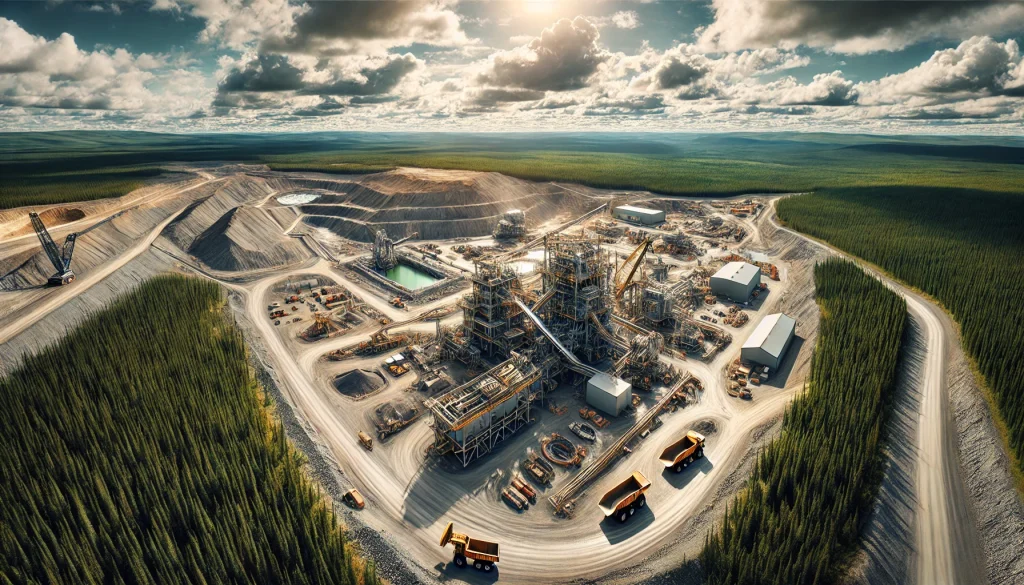
As the global emphasis on low-carbon energy grows, uranium—the key fuel for nuclear power—is experiencing a notable resurgence. Canada, with its world-class uranium reserves, is now at the forefront of this renewed interest. With potential new mines in development and rising international demand, Canada could soon establish itself as a dominant player in the nuclear sector, positioning itself as a “nuclear superpower.” But can the nation fully harness its potential?

Uranium’s Price Surge: Renewed Demand for Nuclear Energy
After the 2011 Fukushima nuclear disaster, uranium prices plummeted, casting uncertainty over nuclear energy’s future. However, in the past five years, the narrative has shifted. Since 2018, global uranium prices have surged by over 200%, positioning the metal among the year’s top-performing commodities. Prominent figures like Bill Gates have promoted nuclear power as essential in combating climate change, and the European Union’s 2022 decision to classify nuclear energy as “climate-friendly” reinforced its role in clean energy strategies.
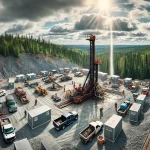
For industry veteran Leigh Curyer, CEO of NexGen Energy, this shift is palpable. Once rare, calls from international investors are now frequent. NexGen’s flagship project in the Athabasca Basin, Saskatchewan’s uranium-rich northern region, has driven the company’s market cap to nearly $4 billion, despite commercial production being at least four years away. If successful, this mine could propel Canada to the top of global uranium production, surpassing Kazakhstan, the current leader.
Why Canada is Poised to Lead
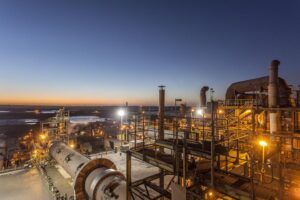
With abundant, high-grade uranium deposits, Canada ranks as the world’s second-largest uranium producer, contributing around 13% of global supply, according to Canadian government data. Cameco, a longstanding player in Canada’s uranium industry, reopened two mines in Saskatchewan last year to keep up with rising demand. “Canada could be a nuclear superpower around the world,” Cameco CEO Tim Gitzel recently remarked.
The Athabasca Basin is renowned for its high-grade uranium, explains Markus Piro, a professor of nuclear engineering at McMaster University. While uranium exists in countries like Australia and Kazakhstan, Canada’s reserves stand out due to their exceptional quality, making them ideal for nuclear fuel production.
More Read

Nuclear Energy as a Climate Solution
At the recent COP29 summit, leaders underscored nuclear energy’s low emissions and high power output as part of a viable solution to the climate crisis. Currently, nuclear power generates about 10% of global electricity, while fossil fuels account for over 50%. Following the Russia-Ukraine conflict, uranium has gained new geopolitical significance, with the U.S. looking to diversify from Russian uranium for its commercial reactors. Canada’s reliable supply could be crucial for North American allies and others aiming to stabilize their energy sources.

Industry advocates argue that nuclear power’s stability, low emissions, and efficiency are key to achieving international climate goals. Unlike solar and wind, which are subject to weather fluctuations, nuclear provides a steady power supply, essential as countries work to decarbonize their grids.
Obstacles on the Path to Production
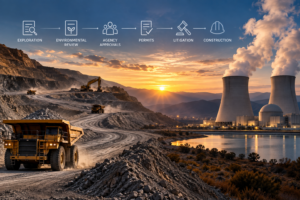
Despite the optimism, significant obstacles could hinder Canada’s nuclear aspirations. Nuclear projects are famously costly and time-consuming, raising doubts about their ability to meet urgent climate goals. Over the past 20 years, more than 100 nuclear plants have shut down worldwide, including Canada’s Gentilly-2 reactor in Quebec. Environmental groups argue that high costs and lengthy timelines limit nuclear energy’s role as a quick climate solution.
Canada also faces domestic opposition, with British Columbia maintaining a moratorium on uranium mining and nuclear power plants since 1980. The radioactive waste produced by nuclear plants also raises environmental concerns, as disposal methods remain contentious.
“We can’t ignore the risks entirely,” says Professor Piro, referencing past incidents such as Fukushima, which continue to fuel public apprehension about nuclear safety. Although proponents argue that modern technology has made nuclear safer, doubts remain, particularly regarding long-term waste management.
Investors Betting on a Bright Future
Despite these challenges, many investors remain optimistic. The surge in uranium demand, driven by countries’ commitments to expand nuclear capacity at recent climate summits, points to a promising market. A 2023 Ipsos poll revealed that 55% of Canadians now support nuclear energy, reflecting a shift in public sentiment.
For NexGen’s Curyer, the next four years are critical. Without timely approvals and investments, he warns, a global uranium shortage could drive up power prices. Cameco’s Gitzel echoed this, noting that about 100 companies are actively exploring Saskatchewan for new uranium deposits, though he cautions that not all exploration projects will reach production.
Canada’s ambition to become a nuclear superpower is grounded in its rich resources and growing global demand. Yet, the path forward is challenging, with regulatory, financial, and environmental hurdles. Led by companies like NexGen and Cameco, Canada’s uranium industry has made significant strides in positioning the country as a future energy leader. However, with increasing public and environmental scrutiny, the stakes are high.
If Canada can navigate these barriers and capitalize on the global pivot to nuclear energy, it stands to play a pivotal role in the world’s clean energy transition. The world will be watching closely to see if Canada’s uranium boom translates into long-term energy leadership—or if this opportunity, like past uranium cycles, fades before realizing its full potential.