NEW DELHI — India will soon launch an incentive scheme to promote domestic processing of lithium and nickel, Mines Secretary Keshav Chandra said. The government wants to build a stronger critical-mineral supply chain and reduce its dependence on imported processed materials.

Chandra announced the planned scheme on September 22 at the 60th Annual General Meeting of the Federation of Indian Mineral Industries (FIMI) in New Delhi. He said the government would provide more details after the required approvals.
The initiative comes as India expands its efforts to secure minerals needed for batteries, electric vehicles, energy storage and other industries. Lithium is a key material for lithium-ion batteries. Nickel is used widely in stainless steel and several battery chemistries.
Four States to Develop Critical-Mineral Processing Parks
The lithium-nickel scheme is part of a wider push to expand mineral processing capacity in India.
The government has cleared proposals for critical-mineral processing parks in Gujarat, Maharashtra, Odisha and Andhra Pradesh.
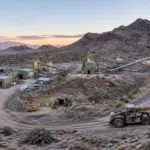
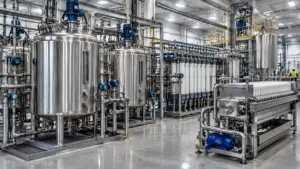
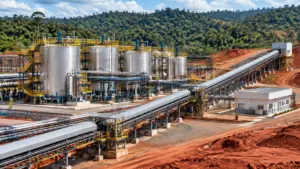
Each park will focus on a specific mineral ecosystem. The plans cover mineral sources, processing facilities and downstream industries, Chandra said.

Maharashtra will focus on lithium, while Odisha will focus on nickel. Gujarat and Andhra Pradesh will support rare-earth processing activities.
Chandra said Odisha’s existing nickel resources make it suitable for nickel processing. Its location in eastern India could also support the processing of imported nickel from Indonesia and other producing countries.
More Read
The four processing hubs are part of India’s broader National Critical Mineral Mission (NCMM). The mission includes funding for regional processing parks and measures to expand domestic critical-mineral processing capacity.
Government Wants More Mineral Value Addition
Chandra also raised concerns about India’s mineral exports.
He said India continues to export some minerals without sufficient beneficiation while importing processed versions of some of the same materials. He pointed to other mineral-producing countries that have restricted exports of unprocessed minerals.
Chandra described India’s continued export of important minerals without adequate value addition as “a matter of shame” and called for greater domestic processing.
The comments underline the government’s focus on moving beyond mineral extraction. India also wants to expand refining, processing and downstream manufacturing within the country.
That is particularly important for critical minerals. Having access to mineral resources does not automatically give a country access to the refined materials required by manufacturers.
New Scheme Targets the Processing Gap
The proposed lithium-nickel programme will add to existing government measures for critical minerals.
The Mines Ministry already operates a ₹1,500-crore incentive scheme for critical-mineral recycling. The new programme would target a different part of the supply chain by supporting the processing of newly mined minerals into higher-value materials.
This distinction is important as India works to build a domestic critical-mineral supply chain. The government is pursuing several measures covering mineral exploration, overseas resource acquisition, processing, recycling and downstream manufacturing.
The National Critical Mineral Mission also supports research and development, technology development and Centres of Excellence for critical-mineral processing.
Technology Remains a Challenge
Technology remains another challenge for India’s critical-mineral ambitions.
Chandra said countries that have agreements with India do not necessarily share their processing technologies. Some technologies can be purchased commercially, but they can be expensive.
The government is therefore looking to strengthen cooperation between industry and academic institutions. It also wants to develop domestic processing technologies through research and Centres of Excellence.
Developing this capability will become increasingly important as India moves from securing mineral resources to producing refined materials for battery and other advanced manufacturing industries.
Scheme Details Still Awaited
The government has not yet announced the final funding allocation, eligibility conditions or incentive structure for the lithium-nickel processing scheme.
Those details are expected after the required approvals.
For now, the announcement adds a dedicated processing initiative to India’s broader critical-minerals strategy. The government is seeking to secure mineral resources while also building the domestic capacity needed to process them and capture more value within the country.