By Penny Langford

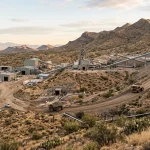
HONIARA : A catastrophic slope collapse at the Chinese-owned Gold Ridge mine on Guadalcanal Island in the Solomon Islands has left local authorities scrambling to confirm casualties, with regional and international reports indicating that approximately ten bodies have been recovered following a massive overnight mud and rock slide.
The incident, which struck the northwest perimeter of Open Pit 1 shortly after midnight, highlights ongoing operational, security, and humanitarian challenges surrounding artisanal encroachment on commercial mining tenements in the Pacific region.
As global markets digest the latest developments in gold mining news 2026, the disaster has drawn immediate scrutiny from government regulators, disaster management officials, and the mine’s operator, Gold Ridge Mining Limited (GRML), a subsidiary of China’s Wan Guo Gold Group.
Chronology of the Disaster
According to initial incident reports compiled by the Royal Solomon Islands Police Force (RSIPF) and the National Disaster Management Office (NDMO), the slope failure occurred without warning between 12:45 a.m. and 2:00 a.m. Heavy localized rainfall in the preceding days saturated the already unstable topsoil and weathered volcanic rock surrounding the open pit, triggering a sudden mass movement of earth.

Local investigative outlets, including In-depth Solomons, reported that a massive wall of mud and rock cascaded directly into the lower benches of Pit 1. While GRML confirmed that the affected sector of the pit had been designated a restricted zone and was cordoned off prior to the event, the physical barrier proved insufficient to deter informal miners seeking high-grade ore.

+-------------------------------------------------------------------------+
|                GOLD RIDGE MINE INCIDENT TIMELINE & STATUS               |
+-------------------+-----------------------------------------------------+
| Event Timestamp   | July 27, 2026, approx. 00:45 - 02:00 local time     |
| Location          | Northwest edge of Open Pit 1, Gold Ridge, Solomon Islands|
| Operator          | Gold Ridge Mining Limited (Wan Guo Gold Group)      |
| Primary Impact    | Catastrophic slope collapse & debris flow into pit  |
| Casualties Status | ~10 bodies recovered (informal miners); official    |
|                   | police/NDMO verification pending                    |
| Company Position  | All company employees accounted for and safe;       |
|                   | unauthorized personnel inside cordoned zone         |
+-------------------+-----------------------------------------------------+
Relief and rescue teams, including local police units and medical personnel from the National Referral Hospital in Honiara, were immediately mobilized. Hospital representatives confirmed that emergency wards were placed on high alert to receive victims, with medical workers verifying that multiple individuals succumbed to asphyxiation and trauma caused by the heavy debris.
Informal Mining Encounters and Operational Realities
The core controversy surrounding the Gold Ridge disaster centers on the presence of informal, artisanal gold panners: frequently referred locally as "break-ins": operating inside commercial mining boundaries.


Gold Ridge Mining Limited issued a formal statement maintaining that all company-registered employees and contractors are safe and accounted for. The operator emphasized that its internal staff were not working in the immediate slide zone at the time of the collapse.
However, community leaders and local reporting agencies confirmed that the individuals buried by the landslide were informal miners who had established temporary camps and digging sites directly within the active pit perimeter.
For years, the Gold Ridge deposit has grappled with unauthorized panning. Despite corporate security fencing and police patrols, high local unemployment and the high global market price of gold: which has remained elevated through the first half of 2026: continue to incentivize artisanal operators to bypass perimeter controls under the cover of darkness. Industry analysts note that securing aging open-pit assets against persistent artisanal intrusion remains one of the most volatile risk factors for foreign mining operators in developing Pacific island nations.
Corporate Background and Regulatory Scrutiny
Gold Ridge carries a complex modern history. Originally discovered in the colonial era and developed by modern operators in the late 1990s, the mine has changed hands multiple times, enduring civil unrest during the early 2000s, temporary abandonment following catastrophic flooding in 2014, and subsequent acquisition by Wan Guo Gold.
Under Chinese ownership, operations resumed with promises of modernized processing infrastructure, local employment generation, and strict environmental management protocols.

In the wake of the July 27 disaster, Solomon Islands Prime Minister Matthew Wale urged calm while emphasizing that independent government inspectors would review the geotechnical stability reports submitted by GRML over the past twelve months.
Regulators are expected to focus heavily on:
- Geotechnical Monitoring: The adequacy of slope movement radar and early-warning systems along the weathered volcanic margins of Open Pit 1.
- Perimeter Enforcement: The operational effectiveness of security protocols designed to prevent unauthorized civilian entry into high-hazard active mining zones.
- Hydrological Management: Drainage and dewatering efficacy during periods of intense tropical precipitation.
While international mining conglomerates frequently deploy advanced monitoring suites: such as slope stability radar, drone photogrammetry, and real-time sensor networks: enforcing safety boundaries across sprawling, porous island tenements remains a persistent logistical hurdle.
Market and Sector Implications
The tragedy at Gold Ridge arrives at a sensitive juncture for global base and precious metals markets. As highlighted in recent sector roundups, including our detailed coverage of Skillings Mining Intelligence, regulatory compliance, social license to operate (SLO), and environmental, social, and governance (ESG) metrics are taking center stage in investor valuations.

While the incident is localized and does not directly threaten the overarching physical supply balance of global gold markets, it serves as a stark reminder of the human cost associated with resource extraction in remote jurisdictions. Financial institutions and institutional investors holding stakes in mid-tier international mining houses are increasingly scrutinizing how operators manage community relations and site security.
Furthermore, bilateral relations between Honiara and Beijing could face diplomatic friction depending on the findings of the official government inquiry. Chinese state-backed enterprises operating across Oceania have faced growing scrutiny regarding labor standards, community engagement, and environmental oversight. Industry legal experts suggest that GRML could face mandatory operational suspensions while independent forensic geotechnical audits are conducted.
Ongoing Search and Recovery Operations
As of Tuesday afternoon, search and recovery efforts within Open Pit 1 continue under difficult conditions. Heavy equipment supplied by GRML has been deployed to assist police rescue squads in clearing unstable debris piles without risking further slope failures.

The Royal Solomon Islands Police Force has reiterated calls for public restraint, advising unauthorized individuals to stay clear of the mining lease area to allow emergency responders unhindered access.
As investigators piece together the sequence of events leading up to the midnight collapse, the international mining community watches closely. The disaster underscores the urgent need for enhanced cooperation between commercial operators, local governments, and surrounding communities to bridge the gap between industrial safety standards and local economic survival.