By Charles Pitts

The global battery supply chain is facing an unforeseen “invisible” bottleneck that is rapidly redrawing the cost curves for critical minerals. While much of the industry’s attention in early 2026 has focused on lithium carbonate spot prices and EV adoption rates, a geopolitical crisis thousands of miles away from the “Lithium Triangle” is eating into the margins of even the most efficient producers.
The escalation of the Iran-Israel conflict has done more than just destabilize energy markets; it has effectively choked the world’s most vital artery for sulphur, the primary feedstock for sulphuric acid. As of June 1, 2026, the ripple effects are manifesting as a “sulphuric acid squeeze,” a phenomenon where rising input costs are beginning to outpace the recovery in lithium prices, threatening the profitability of hard-rock converters and nickel HPAL (High-Pressure Acid Leach) operators alike.
The chemical chokepoint: Geopolitics meets metallurgy
The Strait of Hormuz is widely recognized as a critical transit point for global oil, but its role in the global chemical supply chain is equally significant. The Middle East accounts for approximately 48% of the global seaborne sulphur trade. With the strait facing intermittent closures and insurance premiums for shipping in the region reaching prohibitive levels, nearly half of the world’s merchant sulphur supply has been effectively neutralized.
In the first half of 2026, this logistical paralysis has caused sulphur prices to spike by over 50%. For mining operations that rely on sulphuric acid for leaching: the process of extracting metal from ore: the impact has been immediate and severe. Unlike energy costs, which can sometimes be mitigated through onsite renewables or long-term hedging, sulphuric acid is a physical reagent with limited substitution options in existing flowsheets.
More Read



Lithium economics: From minor reagent to major cost driver
In the traditional lithium price forecast for 2026, most analysts anticipated a period of consolidation. Prices for battery-grade lithium carbonate have largely stabilized in the US$24,000 to US$26,000 per tonne range. However, this headline price masks a deteriorating reality for independent converters, particularly those processing spodumene through acid-baking routes.
Historically, sulphuric acid represented roughly 3% of the C1 cash cost for producing lithium chemicals from hard-rock sources. As of June 2026, that figure has surged to approximately 11%, overtaking energy as the largest individual variable cost component in many conversion facilities.
More Read

| Cost Component | 2024 Share of C1 Cost (%) | June 2026 Share of C1 Cost (%) |
|---|---|---|
| Sulphuric Acid | 3% | 11% |
| Energy & Power | 9% | 10% |
| Labor | 15% | 14% |
| Reagents (Other) | 12% | 15% |
| Spodumene Feedstock | 61% | 50% |
Note: Data reflects typical independent spodumene-to-hydroxide converter. Shifts are driven by the 100%+ increase in regional acid prices.
This shift is particularly punishing for Chinese converters who lack integrated mines. These operators are currently caught in a “margin pincer.” On one side, spodumene prices remain relatively firm; on the other, the cost of the reagents required to process that ore has doubled. With cathode manufacturers and EV OEMs resisting further price hikes, the ability to pass these costs downstream is virtually non-existent. We are seeing a structural migration of value away from the midstream converters and toward integrated “low-cost” miners who can better absorb the reagent shock.
Nickel HPAL: The Indonesian exposure
While lithium is feeling the heat, the nickel sector: specifically High-Pressure Acid Leach (HPAL) operations: is facing an existential margin threat. HPAL technology is notoriously acid-intensive, requiring more than 10 tonnes of sulphur to produce a single tonne of nickel in the form of Mixed Hydroxide Precipitate (MHP).
In Indonesia, which now supplies over half of the world’s nickel, the reliance on Middle Eastern sulphur is a glaring vulnerability. In 2025, approximately 76% of Indonesia’s sulphur imports originated from the Middle East. With spot sulphuric acid prices in the region now exceeding $380 per tonne, the cost of acid alone now accounts for 42% of total HPAL operating costs, up from 26% just two years ago.

The impact on Indonesian HPAL margins has been catastrophic. In late April 2026, industry reports suggested that margins for several major projects were “effectively zero.” While the market has seen a slight uptick in MHP payables (reaching 92.5% of LME nickel prices), it has not been enough to offset the dual blow of record-high acid costs and the recent doubling of benchmark prices for Indonesian limonite ore.
For further context on how these operational shifts impact market valuations, see our analysis on AI energy nexus mining stocks and the 2026 outlook.
Strategic implications for 2026
The current “sulphur shock” serves as a preview of a broader trend we expect to see throughout the second half of the year: the decoupling of commodity prices from producer profitability.
- The Floor Support Hypothesis: As input costs rise, the “marginal cost of production” for the lithium and nickel industries is being reset at a higher level. This provides a natural floor for lithium price forecasts in 2026, as producers will simply curtail output rather than operate at a cash loss.
- Expansion Delays: We anticipate that several Final Investment Decisions (FIDs) for new HPAL and lithium conversion projects will be delayed until the geopolitical situation in the Middle East stabilizes and reagent supply chains are re-routed.
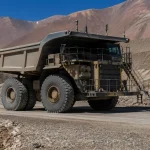
- Operational Pivot: To stay competitive, operators are increasingly looking toward automation and efficiency to claw back margins. The adoption of autonomous haul trucks and cost-saving technologies is no longer a luxury but a necessity to offset rising chemical opex.

Conclusion: A year of “Margin over Volume”
As we move into June 2026, the mining industry is learning that the energy transition is not just about the availability of minerals in the ground, but the stability of the chemicals required to refine them. The sulphuric acid squeeze has transformed the 2026 outlook from a story of supply-demand balance into a story of operational resilience.
Investors should be wary of producers with high exposure to seaborne sulphuric acid markets and instead look toward those with integrated supply chains or regional reagent security. While the PGM market faces its own supply traps, the lithium and nickel sectors are currently being tested by the very chemistry that makes them possible.