Key Takeaways
- Contaminated runoff from illegal mines in Myanmar’s Shan State is polluting the Mekong River.
- Arsenic and heavy metals in Mekong tributaries now exceed WHO safety limits.
- Militia-controlled mining operations operate unchecked amid Myanmar’s ongoing civil war.
- Fishing communities in Laos report collapsing catches, diseased fish, and undrinkable water.
- The Mekong River Commission warns of a “moderately serious” environmental crisis.
Mekong River pollution is becoming a regional crisis, as toxic runoff from illegal rare earth and gold mining in Myanmar’s Shan State seeps into vital waterways. In the northern Laotian town of Houayxay, fisherman Khon casts his nets into the river’s muddy current. “Some days, there’s nothing,” he says. “They say the water is poisoned now.”

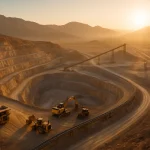
The source lies upriver: dozens of unregulated mines carved into Myanmar’s hills, operating in militia-held areas with no environmental oversight. These mines release arsenic, lead, and other toxic metals into tributaries that feed the Mekong, intensifying concerns about food safety, public health, and biodiversity across Southeast Asia.
A Toxic Rush in Lawless Territory
Zachary Abuza, a Southeast Asia expert at the National War College, says that at least 20 new mining sites have appeared in Myanmar’s Shan State in the past year alone. “The junta has no real control. Rebel groups like the RCSS and UWSA are running these zones—and they’re profiting from the environmental destruction,” he said.
Thailand’s Pollution Control Department has confirmed rising levels of arsenic in rivers like the Ruak, Sai, and Kok—key Mekong tributaries. These rivers now exceed World Health Organization guidelines, feeding a growing body of evidence that Mekong River pollution is spreading downstream.
Local Communities Pay the Price
“This is alarming and just the first chapter of the crisis if mining continues,” warned Pianporn Deetes of International Rivers. “We’re seeing diseased fish, deformities. This is no longer just an environmental issue—it’s a regional public health threat.”
More Read
Fish stalls across Houayxay now sit half-empty. “We used to see giant fish,” said Vilasai, a former fisherman. “Now the river gives little. And people fear drinking the water.”

Dam Pressure Adds to Pollution
Beyond mining, hydropower development has further stressed the Mekong. More than 75 dams across the basin—two of them on the mainstem in Laos—have disrupted sediment flow and seasonal cycles.
“The ecosystem evolved to specific rhythms. Now the dams reverse the seasons,” said Ian Baird of the University of Wisconsin–Madison. “That undermines spawning, agriculture, and entire communities.”
More Read

Mekong River Pollution Demands Urgent Action
Despite the Mekong’s transboundary importance, no regional authority has moved decisively to address the mounting crisis. Myanmar’s military cannot enforce environmental laws, and neighboring states lack jurisdiction.
“This is the cost of failed governance and extractive geopolitics,” said Deetes. “The Mekong River is being poisoned—and no one is stopping it.”
“We Try Again Tomorrow”
As dusk falls, Khon tends his fire beside the river. He glances at the current, unsure what toxins flow beneath. “The river used to give,” he says. “Now we wait and hope. Tomorrow, we try again.”